Unit Operations in Manufacturing: Key Processes, Tools, and Real-World Applications
When you think about how things are made—whether it’s medicine, soap, steel, or snacks—you’re really looking at unit operations, basic physical or chemical steps used to transform raw materials into finished products. Also known as unit processes, these are the non-negotiable building blocks of every factory, big or small. They don’t need fancy AI or robots to work. Just good design, clear steps, and reliable equipment. From the way milk is pasteurized to how chemicals are separated in a plant, unit operations are what make manufacturing repeatable, safe, and scalable.
These operations show up everywhere. In textile mills, drying, removing moisture from fabric to prepare it for dyeing or packaging is a unit operation. In food processing, mixing, blending ingredients uniformly to ensure consistency in taste and texture is critical. Even in electronics, filtration, cleaning chemicals or gases to prevent contamination during chip production is a unit operation. You won’t find a single manufacturing line—whether it’s making furniture in Mirzapur or steel in Pennsylvania—that doesn’t rely on these fundamentals.
What makes unit operations powerful is how simple they are—and how easily they combine. One factory might use five of them. Another might use twenty. But they all follow the same rules. Heat something? That’s thermal processing. Separate solids from liquids? That’s filtration or centrifugation. Move material from point A to point B? That’s conveying. The 7S of manufacturing you’ve heard about? It’s all about organizing these operations so they run cleanly and without waste. Companies like BEML or Tamil Nadu’s textile mills don’t win because they have the fanciest machines. They win because they’ve mastered the basics.
And here’s the thing: you don’t need a billion-dollar plant to use them. Small-scale manufacturers in India—from soap makers in Gujarat to metal planters in Bengaluru—are using unit operations every day. They’re drying herbs, filtering oils, grinding spices, and packing goods. The difference between success and failure often comes down to how well they control these simple steps. A bad mix, a clogged filter, or uneven drying can ruin a batch. That’s why understanding unit operations isn’t just for engineers. It’s for anyone who wants to build, improve, or fix a manufacturing process.
Below, you’ll find real examples of how these operations show up in Indian industry—whether it’s sodium hydroxide being used in soap production, food processors in restaurant kitchens, or textile finishing in Coimbatore. These aren’t textbook theories. They’re the daily work of factories across the country. If you’ve ever wondered how things get made, this is where it starts.
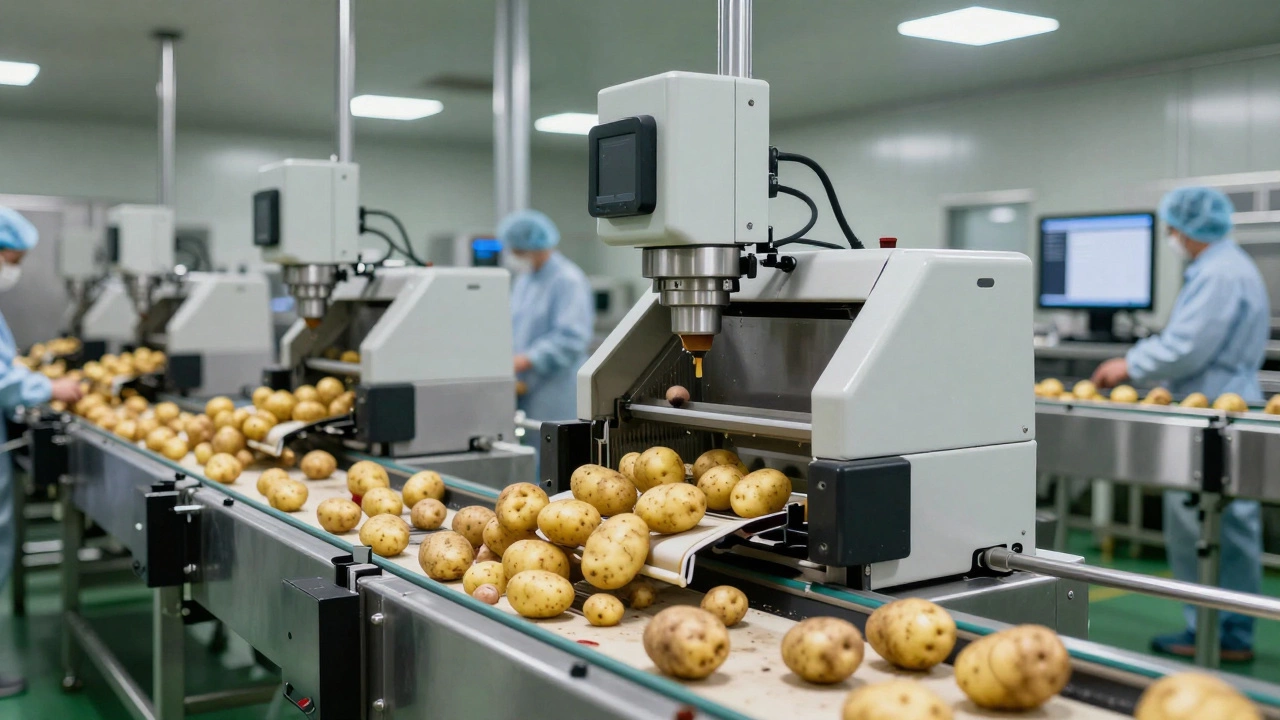
Unit operations in food processing are the physical steps-like washing, drying, heating, and packaging-that transform raw ingredients into safe, shelf-stable food products. Each one is engineered for efficiency and safety.
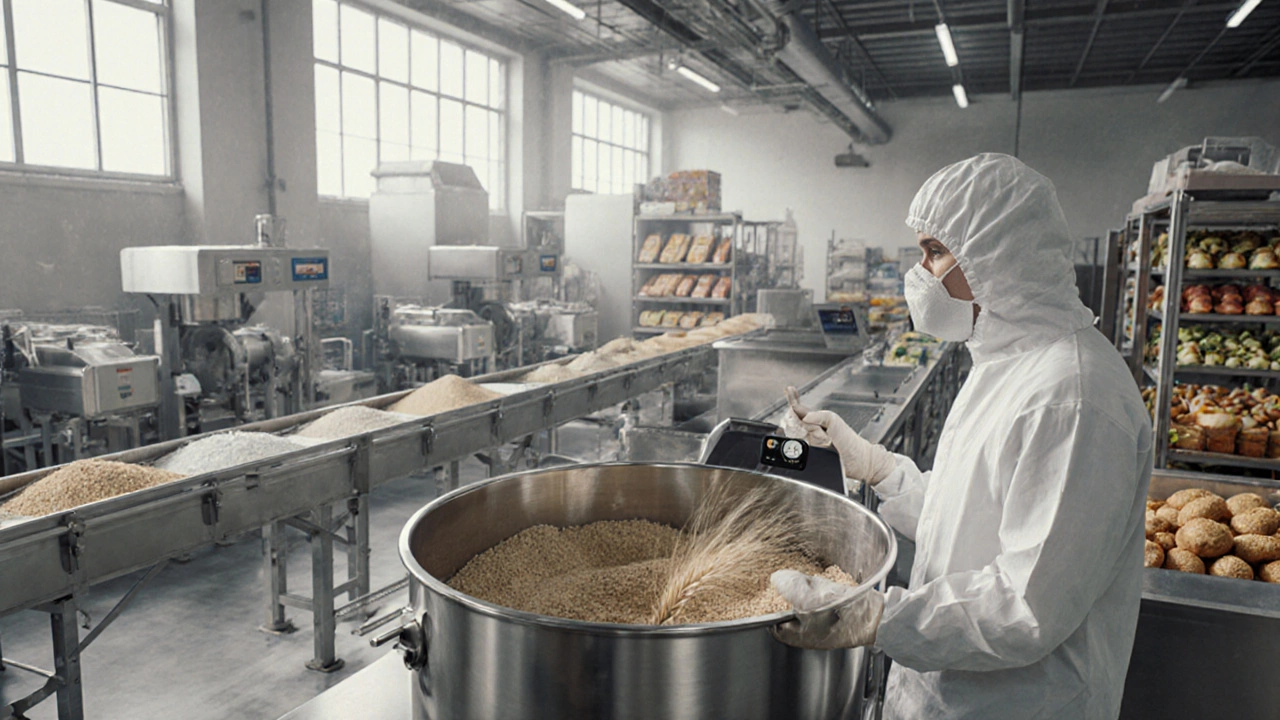
Learn how unit operations in the food industry are grouped into physical, chemical, and biological categories, with examples, selection tips, and emerging trends.
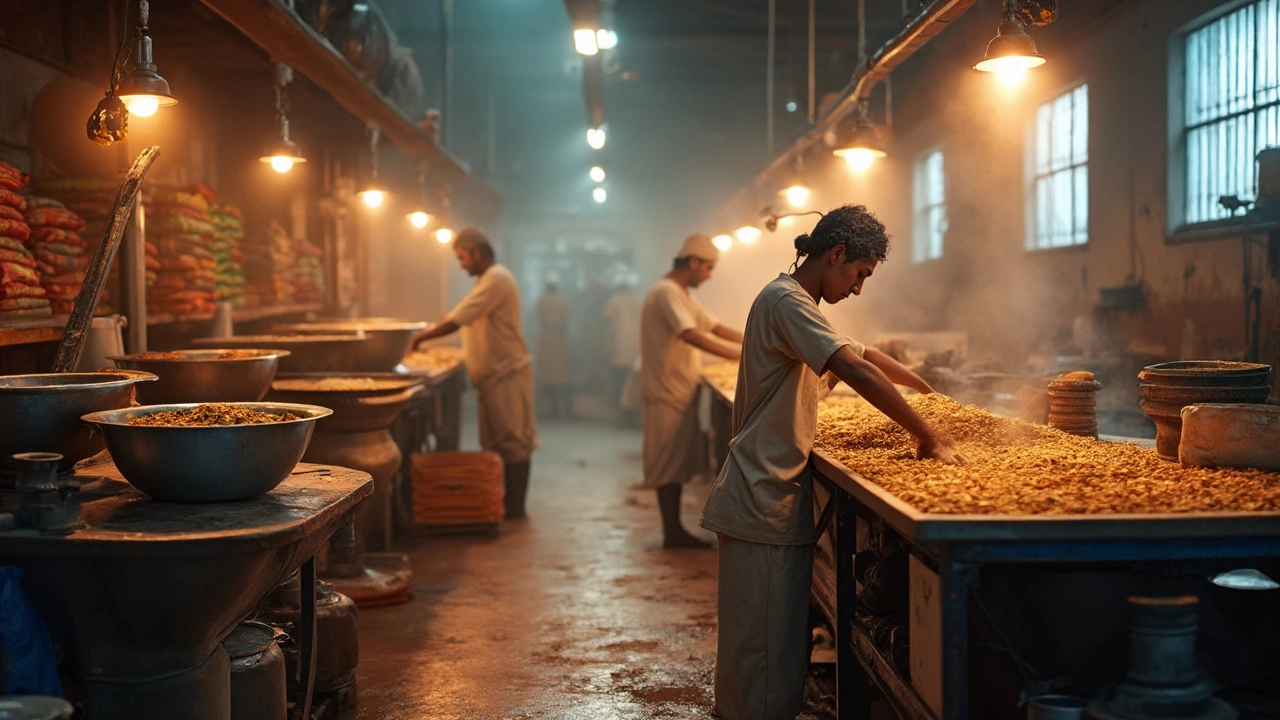
Understanding the classification of unit operations in food processing is crucial for improving efficiency and quality in the food industry. These operations can be broadly divided into categories based on the type of process, such as mechanical, thermal, and chemical operations. Each category has specific applications that help transform raw ingredients into consumable food products. For those involved in food manufacturing, knowing the different unit operations is key to optimizing production and maintaining food safety. Exploring these classifications provides useful insights for anyone interested in food processing.