When you bite into a bag of frozen peas, a carton of yogurt, or a box of breakfast cereal, you’re not just eating food-you’re consuming the result of dozens of precise, controlled steps. These steps are called unit operations. They’re the building blocks of every processed food product you find on store shelves. Unlike cooking at home, where you toss ingredients into a pot and hope for the best, food processing relies on repeatable, measurable, and scientifically designed operations to ensure safety, consistency, and shelf life.
What Exactly Are Unit Operations?
Unit operations are the basic physical tasks performed in food processing. They’re not chemical reactions-those are called unit processes. Unit operations change the physical state or position of food without altering its molecular structure. Think of them like Lego blocks: each one does one job, and when you stack them together, you build something complex.
Every food product goes through at least three to five unit operations. A bag of dried apricots? It’s been washed, peeled, sliced, soaked in sulfur dioxide (a preservative), then dried. A carton of orange juice? It’s been sorted, crushed, pressed, filtered, pasteurized, and packaged. None of these steps happen by accident. Each one is engineered for efficiency, safety, and quality control.
Sorting and Cleaning
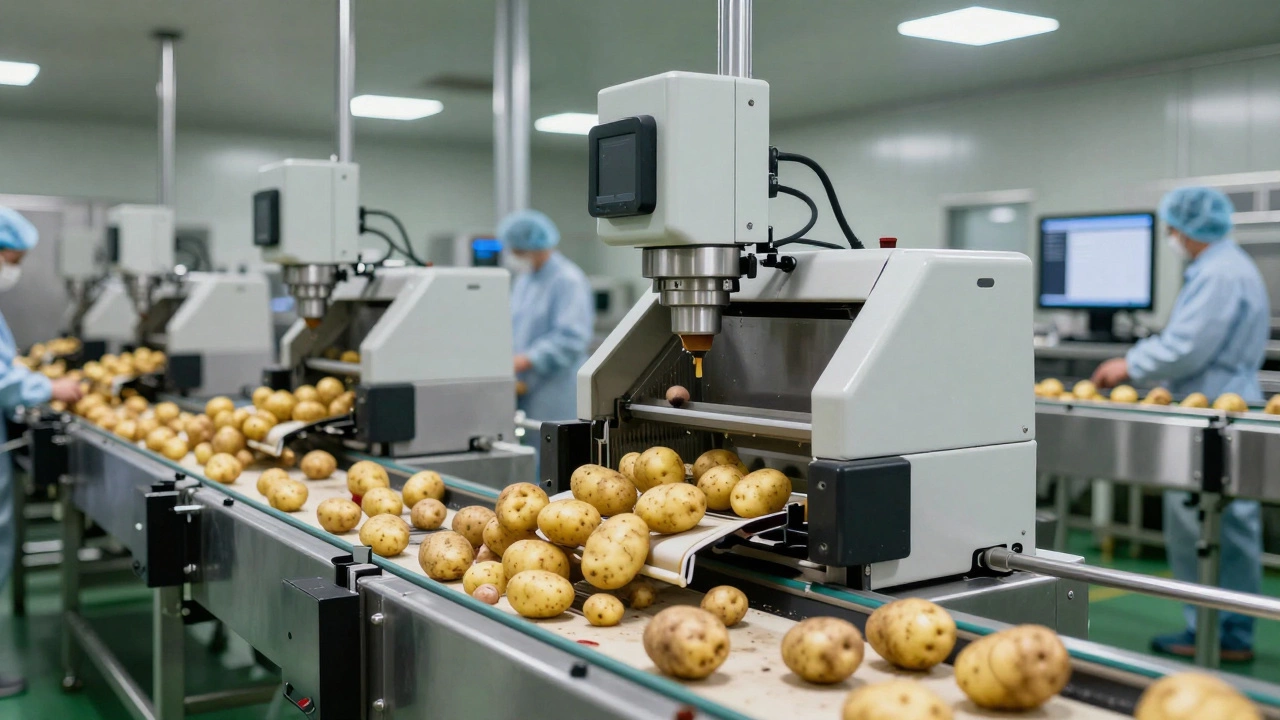
It starts at the gate. Raw ingredients arrive from farms or suppliers, and the first thing processors do is sort and clean them. This isn’t just rinsing off dirt. It’s removing stones, sticks, leaves, metal fragments, and even bad fruit. Modern plants use optical sorters-cameras and AI that scan each piece of produce and eject defective ones with bursts of air. One facility in California can sort 20 tons of potatoes per hour, rejecting any with bruises, sprouts, or discoloration.
After sorting, washing follows. Water jets, brushes, and sometimes ozone or chlorine solutions remove pathogens and pesticide residues. In dairy plants, milk is filtered through membranes to remove bacteria before pasteurization. Skipping this step isn’t an option-contamination here ruins everything downstream.
Mechanical Separation
Once cleaned, food often needs to be broken apart. That’s where mechanical separation comes in. This includes:
- Crushing and grinding (like turning wheat into flour)
- Pressing (extracting juice from oranges or oil from soybeans)
- Centrifugation (separating cream from milk using spinning force)
- Screening and sieving (removing seeds from tomato puree)
Centrifuges are everywhere. In yogurt production, milk is spun to remove whey and concentrate protein. In olive oil mills, the paste is spun at over 3,000 RPM to separate oil from pulp. The equipment might look industrial, but the physics is simple: density differences let you split components without heat or chemicals.
Heat Treatment
Heat is the most common tool in food processing. It kills microbes, deactivates enzymes that cause spoilage, and improves texture. But not all heat is the same.
Pasteurization heats liquids like milk or juice to 72°C for 15 seconds. It doesn’t sterilize-it just reduces pathogens enough to make the product safe for weeks, not months. Sterilization, like in canned soups, uses higher temperatures (121°C) under pressure to kill everything, including spores. That’s why canned goods last for years.
Blanching is another heat operation. Vegetables like broccoli or green beans are plunged into boiling water for 1-3 minutes, then cooled fast in ice water. This stops enzyme activity that would otherwise make them lose color, flavor, and nutrients during freezing. Skip blanching, and your frozen peas turn mushy and dull after six months.
Mixing and Homogenization
Food isn’t just single ingredients-it’s blends. Mixing ensures every bite tastes the same. In ice cream, flavorings, stabilizers, and air are blended into a uniform emulsion. In bread dough, flour, water, yeast, and salt are mixed until gluten forms.
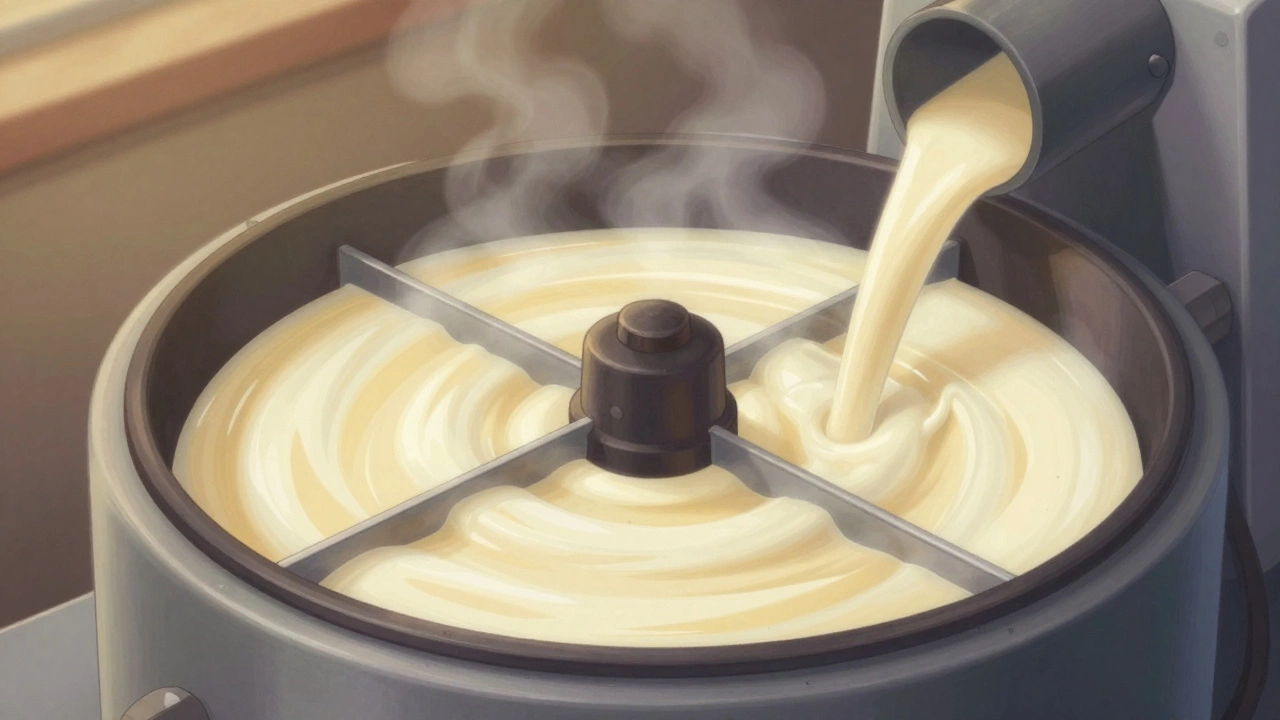
Homogenization is a special kind of mixing for liquids. In milk, fat globules naturally rise to the top. Homogenizers force milk through tiny valves under high pressure, breaking those globules into smaller particles so they stay suspended. Without it, you’d have to shake your milk carton every time you poured.
In sauces and dressings, homogenizers prevent oil and water from separating. A vinaigrette left un-homogenized turns into two layers in minutes. A commercial one stays smooth for months.
Drying and Dehydration
Removing water is one of the oldest ways to preserve food. Bacteria and mold need moisture to grow. Take it away, and they can’t survive.
There are many ways to dry food:
- Spray drying: Liquid milk turns into powder by spraying it into hot air. Used for instant milk, whey protein, and baby formula.
- Freeze drying: Food is frozen, then placed in a vacuum. Ice turns directly to vapor, preserving shape and nutrients. Used for astronaut food, instant coffee, and premium fruits.
- Drum drying: Purees are spread on heated drums and scraped off as dry flakes. Common for potato flakes and baby food.
- Convective drying: Hot air blows over trays of fruit or vegetables. Used for raisins, apple chips, and herbs.
Each method affects texture, flavor, and nutrient retention differently. Freeze-dried strawberries taste almost fresh. Sun-dried tomatoes are chewy and intense. Spray-dried milk powder dissolves instantly. The right method depends on the final product’s purpose.
Refrigeration and Freezing
Chilling and freezing aren’t just storage-they’re critical unit operations. They slow down microbial growth and chemical reactions that degrade quality.
Quick freezing, like in blast freezers, is key. Food is frozen at -35°C or lower, forming tiny ice crystals. That preserves cell structure. Slow freezing, like in a home freezer, creates large ice crystals that rupture cells. That’s why your homemade frozen berries turn to mush when thawed, but store-bought ones stay firm.
Refrigeration keeps perishables like dairy, meat, and cut produce safe for days. But it’s not passive. Temperature must be monitored continuously. A fridge that rises to 8°C for even an hour can let Listeria grow. In food plants, sensors trigger alarms if temps drift. It’s not just about cold-it’s about control.
Packaging
Packaging isn’t just wrapping. It’s the final unit operation-and one of the most important. It protects food from air, moisture, light, and microbes. It also extends shelf life.
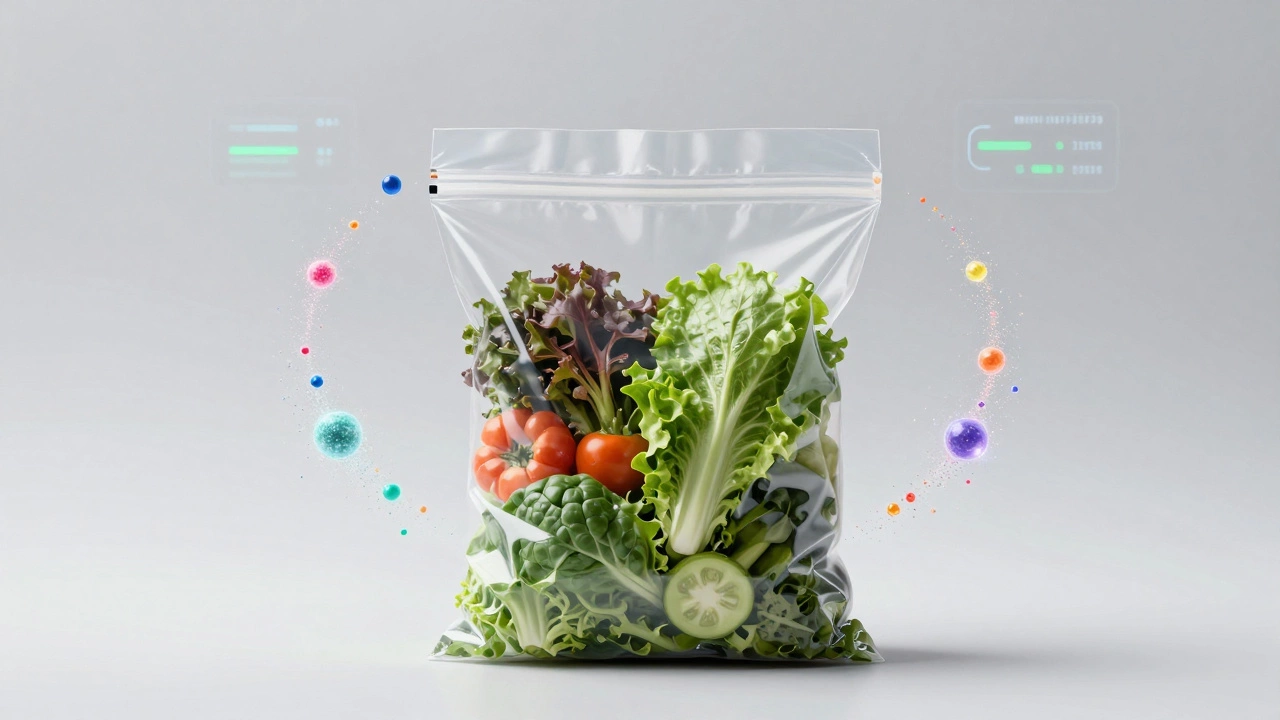
Modified atmosphere packaging (MAP) replaces the air inside a bag with nitrogen, carbon dioxide, or oxygen blends. A bag of fresh salad might have 5% oxygen to keep greens green, 15% carbon dioxide to kill mold, and the rest nitrogen as a filler. Vacuum packaging removes all air, ideal for meats and cheeses.
Some packaging even includes oxygen absorbers or antimicrobial coatings. A yogurt cup might have a lid that releases a tiny amount of antimicrobial agent over time to keep it fresh longer. Packaging is engineered as much as the food inside.
Why Unit Operations Matter
These operations aren’t optional. They’re the reason you can buy safe, affordable, and consistent food year-round. Without them:
- Food would spoil before it reached your home.
- Outbreaks of E. coli or Salmonella would be far more common.
- Special diets (like gluten-free or low-sodium) wouldn’t be possible.
- Food waste would skyrocket.
Each unit operation is backed by decades of research, engineering, and regulation. The FDA, USDA, and Codex Alimentarius set standards for everything from how hot pasteurization must be to how clean the water used in washing must be.
Understanding unit operations helps you see food processing not as a mystery, but as a science. It’s not magic-it’s mechanics, physics, and biology working together to turn raw ingredients into something safe, tasty, and lasting.
Are unit operations the same in all food industries?
Most unit operations are shared across food industries-washing, drying, mixing, and packaging are common to nearly everything. But some are specialized. Dairy plants use homogenizers and ultrafiltration. Meat plants rely heavily on chilling and vacuum sealing. Beverage makers use carbonation and filtration. The core operations are similar, but the equipment and conditions vary based on the food’s properties.
Can you do unit operations at home?
You can mimic some, but not all. Drying herbs in the sun, freezing berries, or mixing batter are simple versions. But you can’t replicate industrial-scale spray drying, high-pressure homogenization, or controlled atmosphere packaging at home. The precision, speed, and safety controls are too complex. Home methods work for small batches, but they don’t match the consistency or shelf life of commercial processing.
Do unit operations change the nutritional value of food?
Some do, some don’t. Heat can destroy vitamin C and some B vitamins. Drying reduces water content but concentrates sugars and minerals. Freezing preserves nutrients better than canning. The key is balance. Processors design operations to minimize nutrient loss while ensuring safety. For example, blanching vegetables briefly before freezing actually helps lock in color and flavor, even if it causes a small vitamin loss.
What’s the difference between unit operations and unit processes?
Unit operations are physical changes-cutting, heating, drying. Unit processes involve chemical or biological changes-fermentation, enzymatic breakdown, or adding preservatives like citric acid. Mixing yogurt cultures into milk is a unit process. Stirring it is a unit operation. One changes the chemistry; the other changes the form.
How do food companies decide which unit operations to use?
They start with the product goal: shelf life, texture, flavor, cost, and safety. Then they test each step. For example, if they want a crispy snack, they might try air drying first, then deep frying, then vacuum frying to compare crispness and oil content. They also consider equipment cost, energy use, and regulatory limits. The best combo isn’t always the most advanced-it’s the one that works reliably at scale.