Food Processing in India: Key Technologies, Profitable Products, and Industry Insights
When it comes to food processing, the transformation of raw agricultural products into packaged, shelf-stable foods for consumers. Also known as food manufacturing, it’s one of the fastest-growing sectors in India’s industrial landscape, fueled by rising urbanization, changing diets, and government incentives under Make in India. From turning fresh tomatoes into tomato paste to converting milk into powdered form, food processing adds value, extends shelf life, and meets the needs of millions who rely on convenient, safe meals every day.
Behind every processed snack, ready-to-eat meal, or bottled juice is a chain of machines, chemicals, and skilled labor. One of the most widely used chemicals in this process is sodium hydroxide, a caustic compound essential for cleaning equipment, adjusting pH levels, and even peeling fruits and vegetables. It’s not glamorous, but without it, many food processing lines would grind to a halt. Meanwhile, the tools that do the heavy lifting in kitchens and factories are commercial food processors, high-powered machines that chop, blend, shred, and mix ingredients at scale. Restaurants use them to save time and maintain consistency, while large-scale plants rely on automated versions that can handle tons of material per hour.
Not all food processing is created equal. Some products bring in far higher margins than others. For example, processing spices like turmeric or chili into powdered form can yield profit margins above 40%, while turning milk into cheese or yogurt often delivers steady, reliable returns. The most profitable items tend to be those with low raw material costs, high demand, and long shelf lives—think packaged snacks, ready-to-cook mixes, and fortified beverages. India’s growing middle class is driving demand, and local manufacturers are stepping up to fill the gap, cutting out imports and building brands that resonate at the neighborhood level.
The real story isn’t just about machines or chemicals—it’s about opportunity. Small-scale food processing units are popping up in towns across Tamil Nadu, Uttar Pradesh, and Gujarat, often run by families who started with a single grinder and a dream. These businesses benefit from government schemes, low-cost labor, and access to raw produce right from nearby farms. But success doesn’t come from just having a machine. It comes from understanding shelf life, packaging, hygiene standards, and distribution. That’s why the best food processors aren’t just engineers—they’re problem solvers who know how to turn local ingredients into national brands.
What you’ll find below are real insights into how food processing works in India—from the tools used in busy kitchens to the products that make the most money. Whether you’re curious about why sodium hydroxide is everywhere in this industry, how restaurants actually use food processors, or which food items deliver the highest returns, the articles here give you the facts—not the fluff.
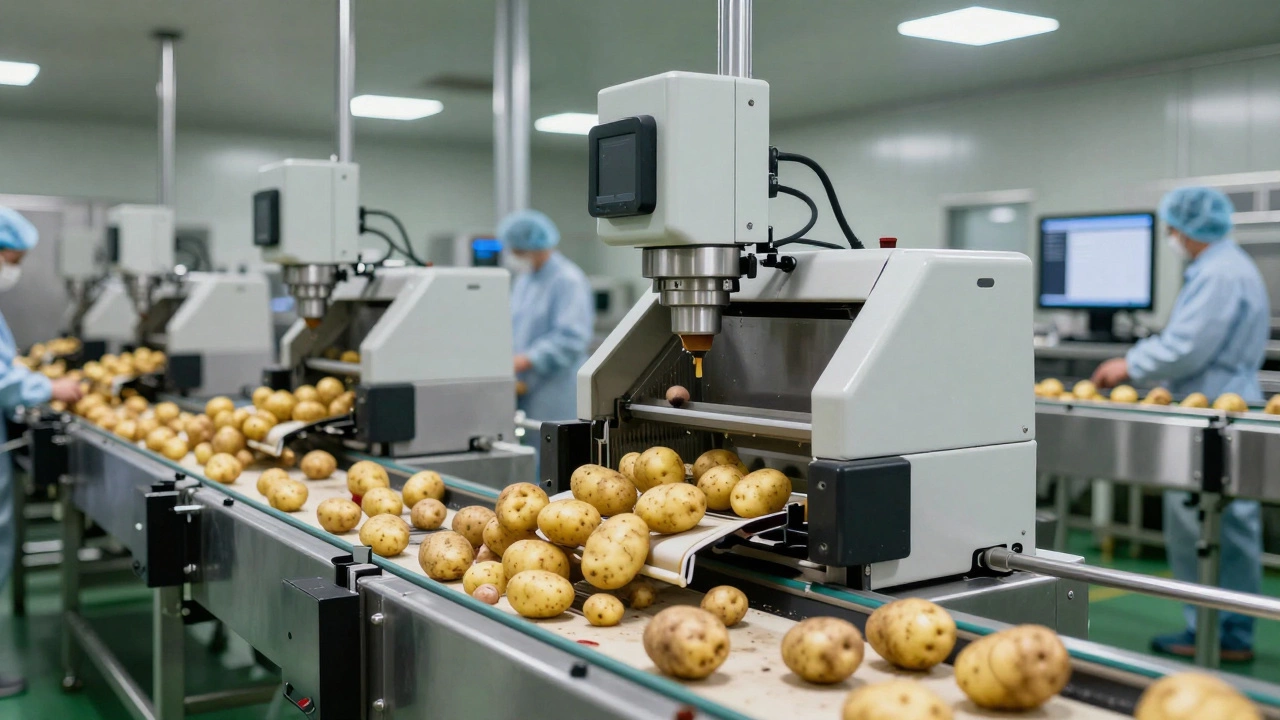
Unit operations in food processing are the physical steps-like washing, drying, heating, and packaging-that transform raw ingredients into safe, shelf-stable food products. Each one is engineered for efficiency and safety.
Explore the main fields of food processing-from primary handling of raw ingredients to packaging and quality control-plus key techniques, equipment, and regulations.
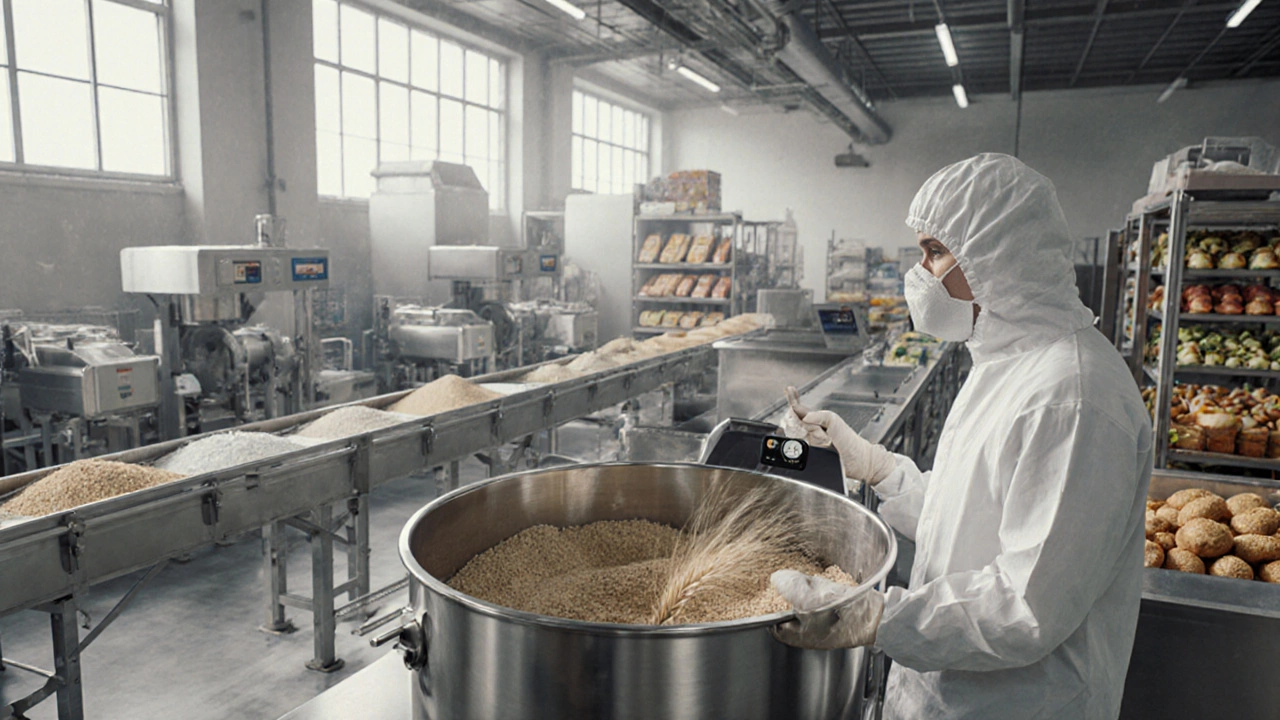
Learn how unit operations in the food industry are grouped into physical, chemical, and biological categories, with examples, selection tips, and emerging trends.

Ever wondered what food units really mean? Discover how food units are measured, why they matter for nutrition, and how to use them for better food processing and choices.

Food processing can be a bit of a mystery, but breaking it down into four levels makes it easier to grasp. From raw and minimally processed foods to heavily processed options, each level serves a different role in what we eat. Learn about how these levels impact nutritional value, shelf life, and your overall eating experience. Discover how understanding processing levels can help you make better food choices. It's all about figuring out what's really in your food and why.
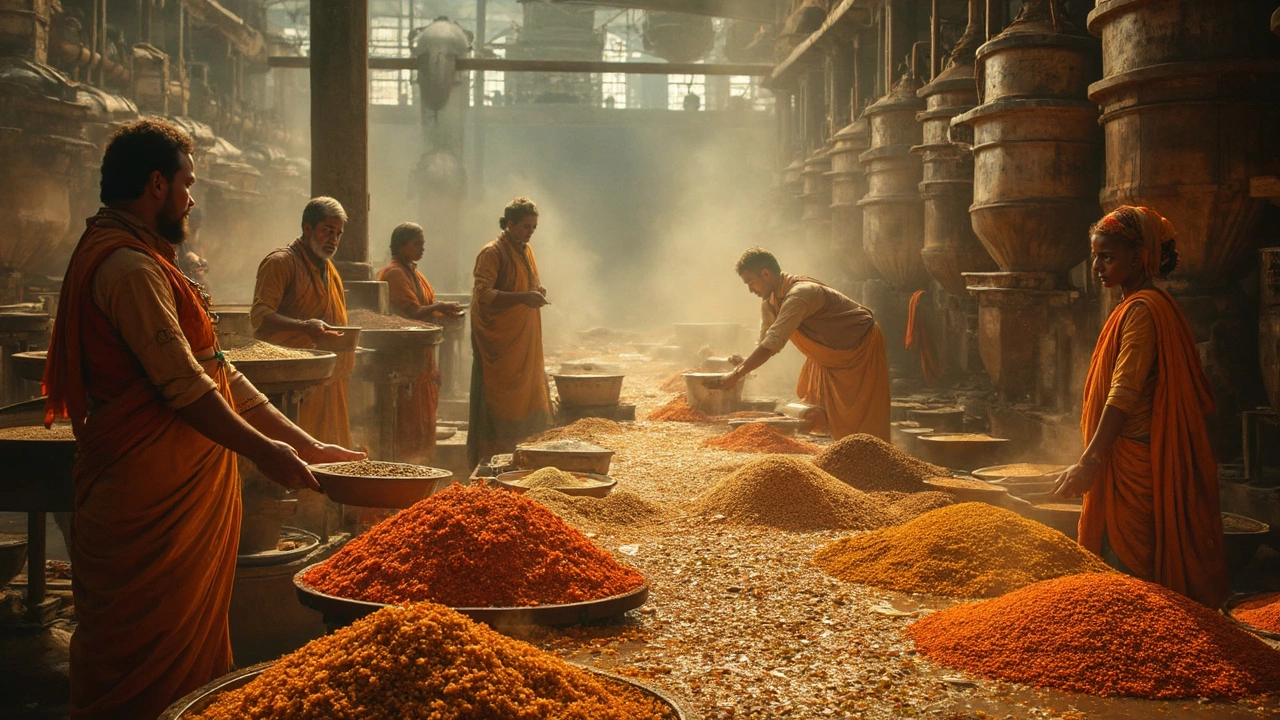
In the world of food processing, ROM (Reduction of Material) plays a crucial role in transforming raw ingredients into final products efficiently. This article breaks down three primary ROM types in the food industry, discussing their functionalities and importance. Understanding these types can help optimize production processes, ensuring consistent quality and efficiency. Each type comes with its unique benefits tailored to specific industry needs.