Food Industry in India: Processing, Profit, and Key Players
When we talk about the food industry, the sector that turns raw crops and livestock into packaged, processed, and sold food products for consumers and businesses. Also known as food manufacturing, it’s one of the largest employers and revenue generators in India, touching everything from street-side chai to exported spices. This isn’t just about farms and markets anymore—it’s about factories, machines, cold chains, and margins that can make or break a business.
At the heart of this growth is food processing, the transformation of raw agricultural products into shelf-stable, branded, or convenience foods. Think frozen peas, packaged atta, ready-to-eat snacks, and bottled juices. India’s food processing sector hit $170 billion in 2024, with projections pushing past $250 billion by 2026. Why? Because people want faster meals, better quality control, and longer shelf life—and local brands are stepping up to deliver. Companies aren’t just making products; they’re building brands that compete with global names.
One of the biggest tools in this space is the food processor, a commercial kitchen machine that chops, grinds, blends, and shreds ingredients at scale. You’ll find these in everything from small snack units in Gujarat to massive plants in Maharashtra. They cut labor costs, ensure consistency, and speed up production. But here’s the twist: some top chefs still avoid them for certain dishes, preferring hand-chopped herbs or stone-ground spices. It’s not about replacing tradition—it’s about blending it with efficiency.
What’s most profitable? It’s not always the flashy products. Data shows that processed dairy, packaged snacks, and ready-to-cook mixes have the highest margins. For example, turning fresh milk into paneer or yogurt can double or triple your return per kilo. Spices, too—when cleaned, roasted, and packaged right—can sell for 5x their raw price. And it’s not just big players. Thousands of small units across Uttar Pradesh, Tamil Nadu, and Punjab are quietly dominating regional markets with local flavors and low overhead.
The government’s push for Make in India and FSSAI standards has cleaned up the sector, but challenges remain—cold storage gaps, inconsistent power, and competition from cheap imports. Still, the momentum is real. Every time you buy a branded pack of masala or a frozen paratha, you’re part of a system that’s reshaping how India eats, produces, and exports food.
Below, you’ll find real breakdowns of what’s making money in food processing, which machines actually matter in Indian kitchens, and which products are flying off shelves. No theory. Just facts from the ground.
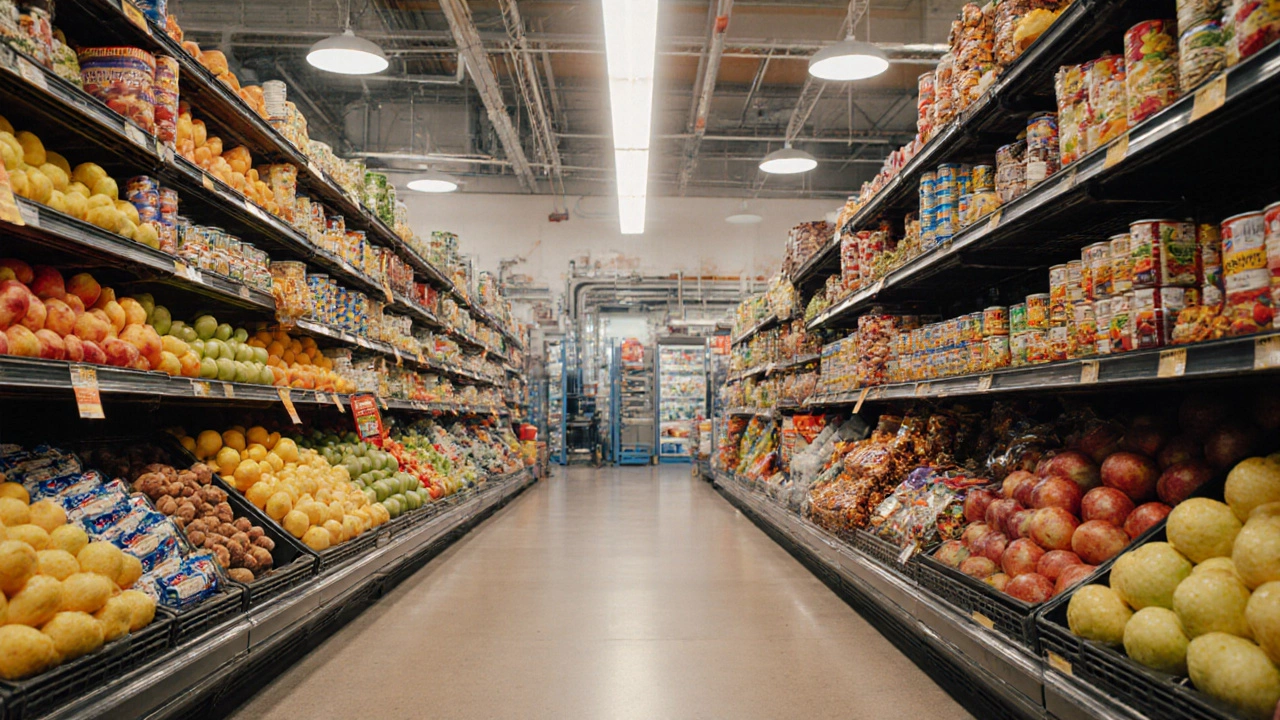
Explore the main fields of food processing-from primary handling of raw ingredients to packaging and quality control-plus key techniques, equipment, and regulations.
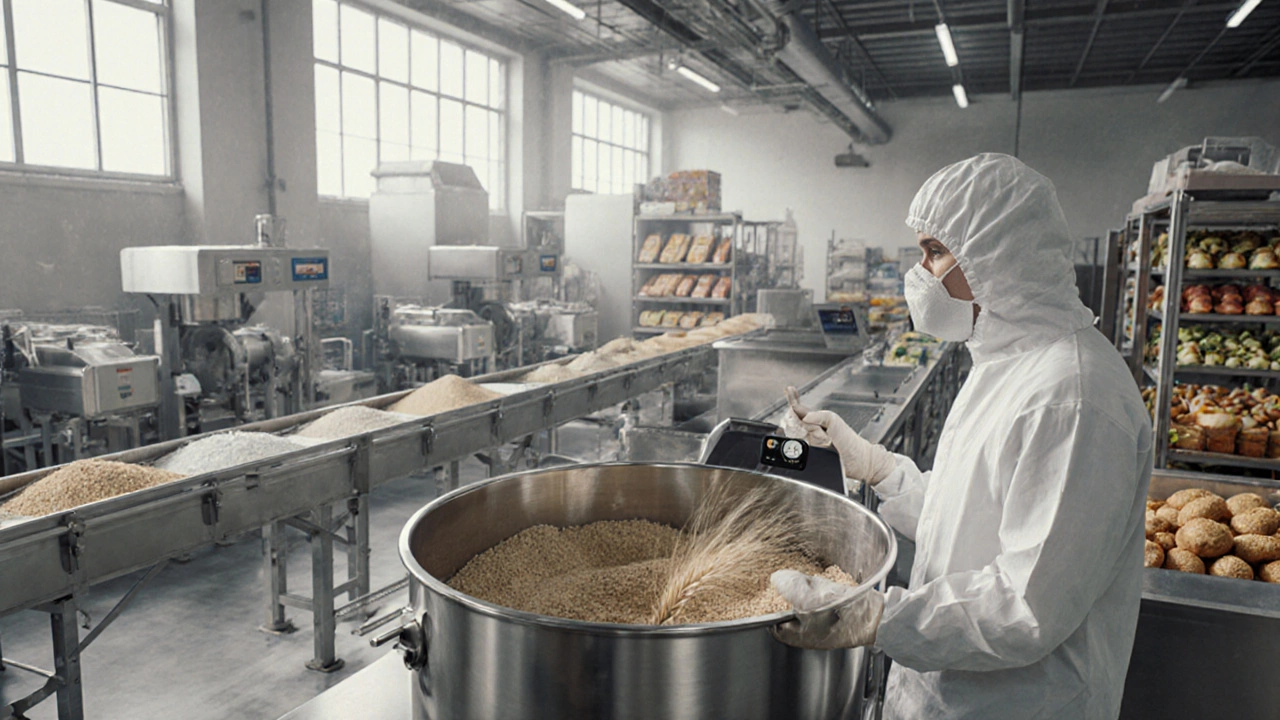
Learn how unit operations in the food industry are grouped into physical, chemical, and biological categories, with examples, selection tips, and emerging trends.
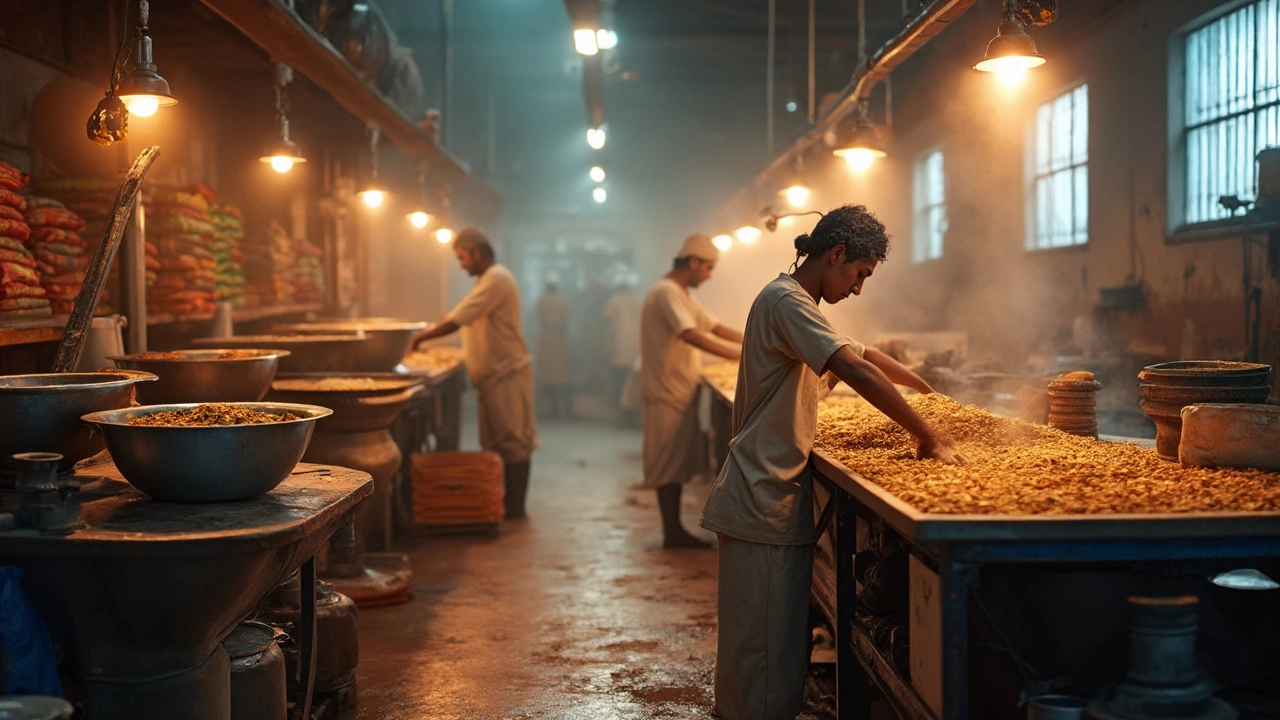
Understanding the classification of unit operations in food processing is crucial for improving efficiency and quality in the food industry. These operations can be broadly divided into categories based on the type of process, such as mechanical, thermal, and chemical operations. Each category has specific applications that help transform raw ingredients into consumable food products. For those involved in food manufacturing, knowing the different unit operations is key to optimizing production and maintaining food safety. Exploring these classifications provides useful insights for anyone interested in food processing.

Food processing can be a bit of a mystery, but breaking it down into four levels makes it easier to grasp. From raw and minimally processed foods to heavily processed options, each level serves a different role in what we eat. Learn about how these levels impact nutritional value, shelf life, and your overall eating experience. Discover how understanding processing levels can help you make better food choices. It's all about figuring out what's really in your food and why.
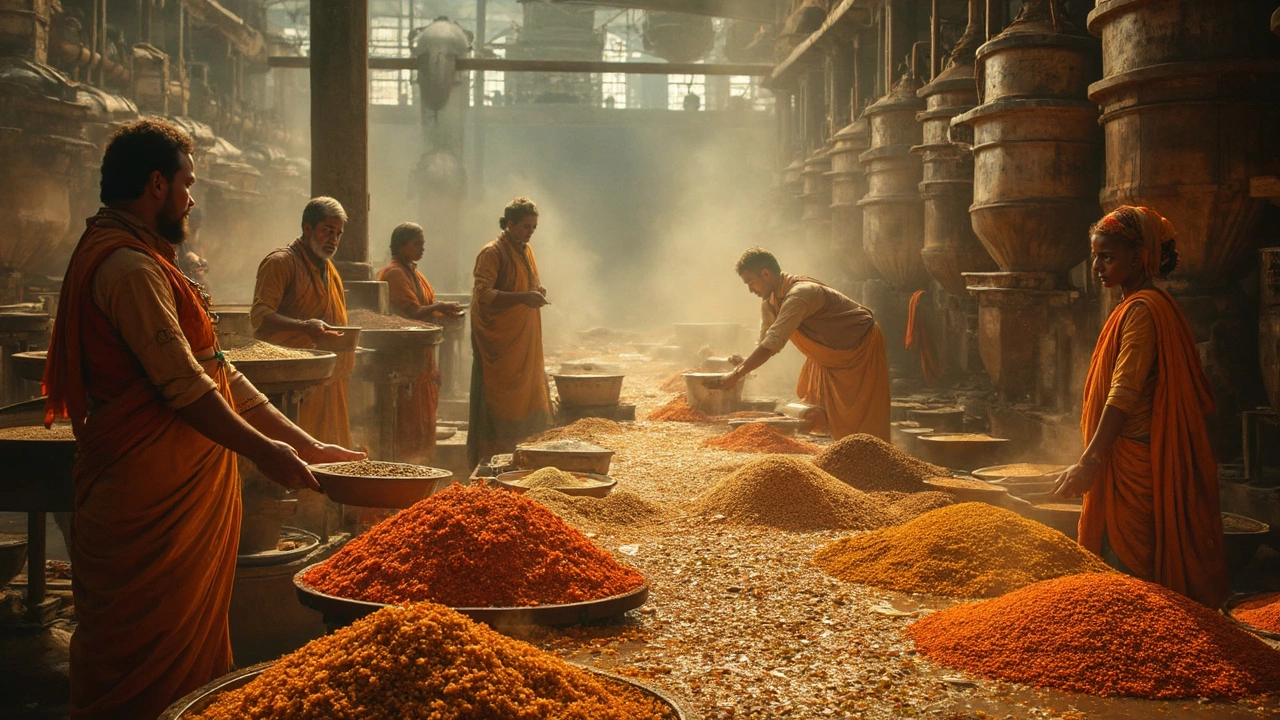
In the world of food processing, ROM (Reduction of Material) plays a crucial role in transforming raw ingredients into final products efficiently. This article breaks down three primary ROM types in the food industry, discussing their functionalities and importance. Understanding these types can help optimize production processes, ensuring consistent quality and efficiency. Each type comes with its unique benefits tailored to specific industry needs.