Government Schemes for Manufacturing in India: What You Need to Know
When you hear government schemes, structured programs launched by Indian authorities to boost industrial growth, reduce costs for businesses, and create jobs. Also known as industrial incentives, these are not just paperwork—they’re lifelines for small factories, startups, and local makers trying to compete in a global market. In India, these programs aren’t optional extras. They’re the reason a tiny workshop in Tamil Nadu can now export denim to Europe, or why a family-run metal shop in Uttar Pradesh bought CNC machines last year. The Make in India, a national initiative launched in 2014 to turn India into a global manufacturing hub by attracting investment and improving infrastructure isn’t just a slogan. It’s a system of subsidies, tax holidays, and simplified approvals that actually changed how businesses operate.
These schemes don’t just help big players. The real impact is in the MSME support, government programs designed specifically for micro, small, and medium enterprises, offering low-interest loans, subsidies on machinery, and easier access to export markets. A soap maker in Rajasthan got a 25% subsidy on her new packaging line. A small electronics assembler in Karnataka qualified for duty-free import of components. These aren’t rare cases—they’re happening every day because of targeted schemes like Production Linked Incentive (PLI) for electronics, textiles, and pharmaceuticals. The PLI scheme, a financial incentive tied to how much a company produces and exports, designed to encourage local manufacturing over imports alone has drawn over $20 billion in investments since 2020, mostly from companies that had never made anything in India before.
But here’s the catch: most small manufacturers don’t know how to apply, or think it’s too complicated. That’s where the real value lies—not just in knowing the schemes exist, but in understanding which ones match your business size, location, and product type. Some schemes are state-specific, like Gujarat’s industrial policy for auto parts, while others, like the Credit Guarantee Fund for MSMEs, work nationwide. You don’t need a lawyer to navigate this. You just need to know where to look. Below, you’ll find real examples of how Indian manufacturers—from a single-person workshop to a mid-sized factory—used these schemes to cut costs, scale up, and even export for the first time. These aren’t theoretical case studies. These are people who started with nothing and used government support to build something real.
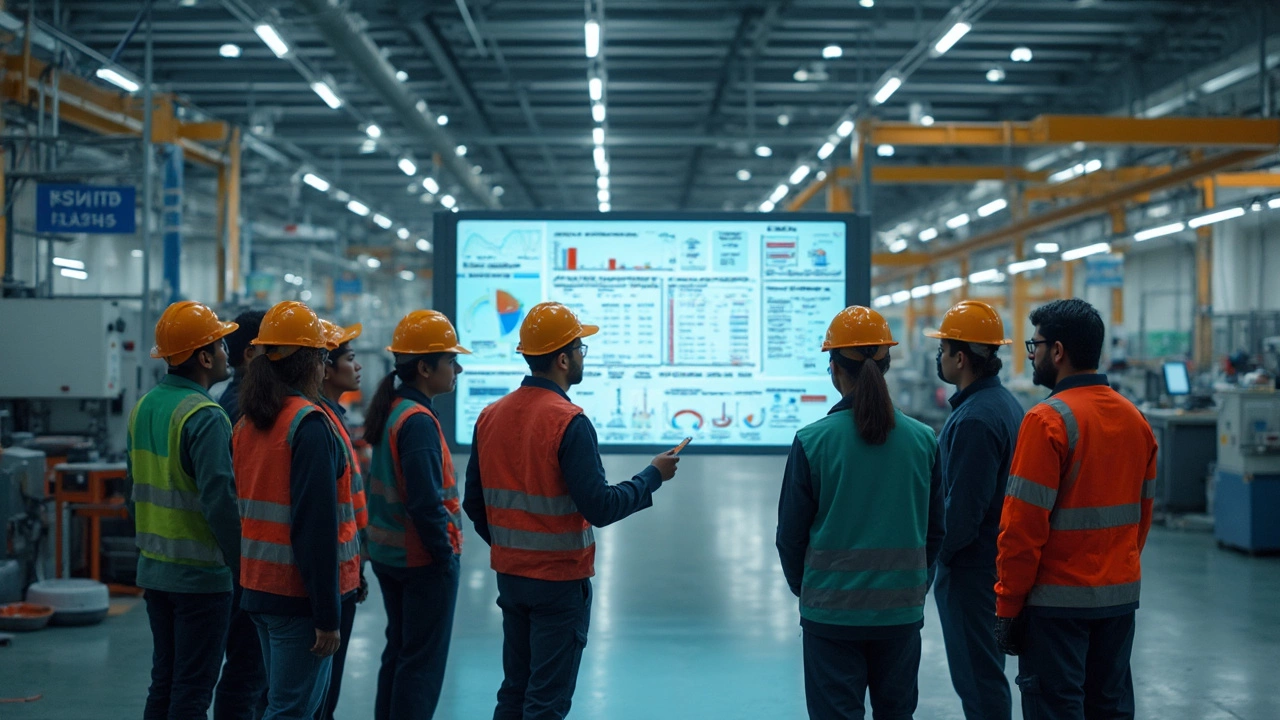
This article breaks down the seven main factors driving successful manufacturing, especially when applying for or working within government schemes. You’ll get a clear explanation of why each factor matters, along with tips you can use right away. Whether you’re just starting out, expanding your plant, or trying to meet new scheme requirements, this guide will keep you on track. From quality control to resource allocation, it’s all about avoiding common mistakes and making your manufacturing more efficient. Get practical info and real-world advice without wading through jargon.

Looking to build a factory on a budget? Different locations offer varying benefits, especially when government schemes come into play. Explore where you can find the most cost-effective options, the perks of government incentives, and why it's crucial to consider local regulations and labor costs. Understand how to make the most of these opportunities.
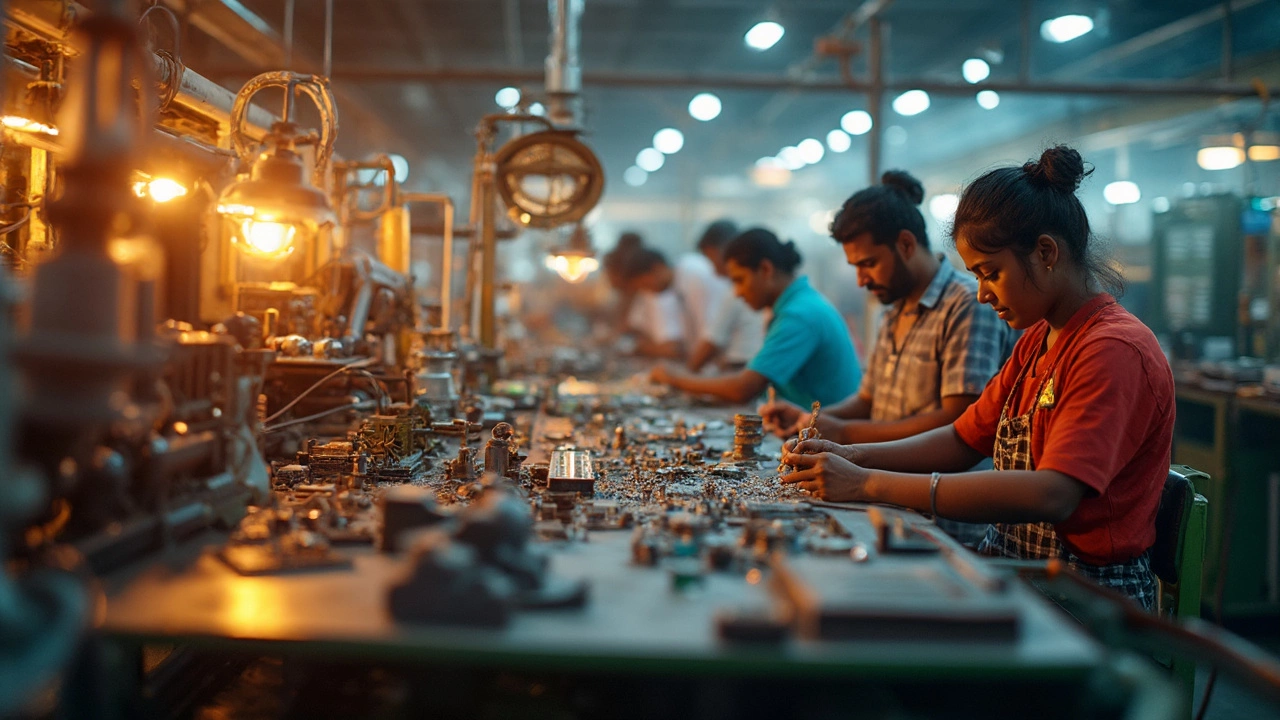
Discover the six main manufacturing processes pivotal to government schemes worldwide. This article delves into each process, highlighting its purpose and application within industrial planning. Learn how assembly, fabrication, molding, machining, joining, and additive manufacturing play crucial roles in economic development. With insights into governmental strategies, uncover practical tips for navigating the manufacturing landscape.
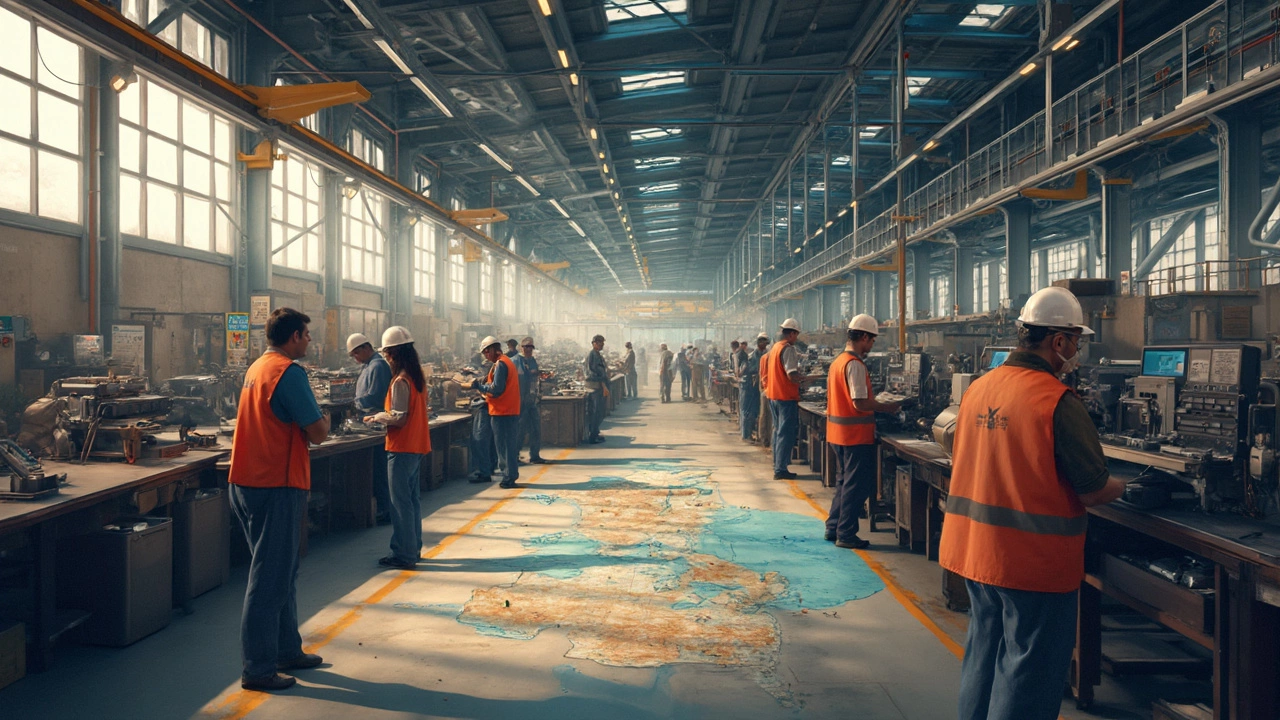
Discover the current state of manufacturing in the U.S. and how government schemes are influencing its growth. This article explores various initiatives aimed at fostering industrial development and evaluates their effectiveness. Learn about the challenges faced by the industry and the future outlook of U.S. manufacturing. Gain insights into the strategies employed to maintain competitive advantage in the global market.
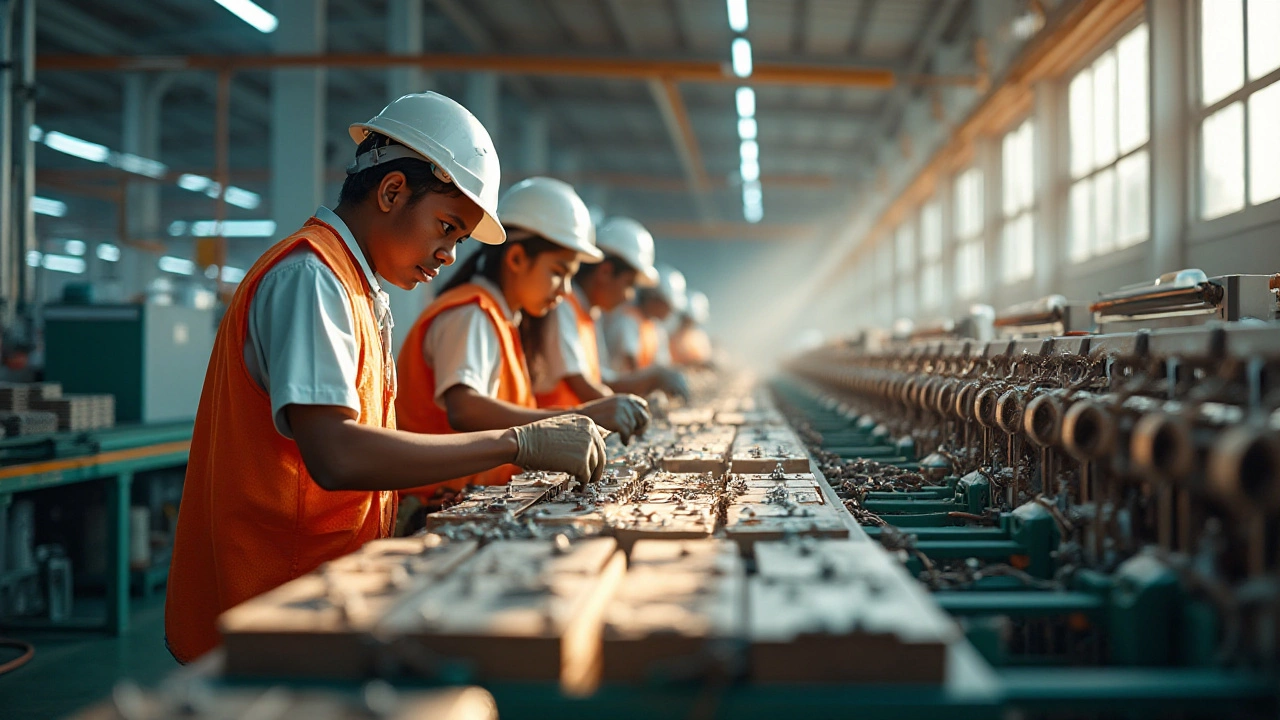
Local manufacturing refers to the production of goods within a country’s borders, focusing on sustainable and efficient processes. It plays a vital role in boosting the economy by creating jobs and reducing dependency on imports. Government schemes often aim to encourage local production through incentives and support for small and medium enterprises. Understanding the significance of manufacturing locally helps nations achieve self-sufficiency and strengthen economic resilience. This article explores the nuances of local manufacturing, its benefits, challenges, and its future implications.