Small Scale Manufacturing: What It Is, How It Works, and Why It Matters
When you think of manufacturing, you might picture huge factories with robots and conveyor belts. But small scale manufacturing, a flexible, low-cost way to produce goods in small batches, often locally. Also known as micro-manufacturing, it’s how one person with a CNC machine, a 3D printer, or even hand tools turns an idea into a product people actually buy. This isn’t just about making soap or metal planters—it’s about building real businesses that hire neighbors, serve local markets, and adapt fast when customer needs change.
small manufacturing company, a business with fewer than 50 employees that produces physical goods, often from a workshop or garage. Also known as SME manufacturing, it doesn’t need millions in funding to start. Many begin with under $10,000 and grow by selling directly to customers or supplying local retailers. These businesses thrive because they’re nimble—unlike big factories stuck with rigid processes, a small shop can tweak a design overnight, run a custom batch for one client, or pivot when a new material becomes cheaper. That’s why governments in India and elsewhere are pushing support for these operations: they create jobs where they’re needed most, reduce supply chain risks, and keep innovation alive outside corporate labs. You’ll find them making custom metal parts for farmers, handcrafted kitchen tools for home cooks, or eco-friendly packaging for local food brands.
What makes small scale manufacturing different isn’t just size—it’s mindset. It’s not about mass production. It’s about solving specific problems with smart, human-centered design. These businesses rely on trade secrets, not patents. They build trust with customers through transparency, not ads. And they often use government schemes for training, subsidies, or low-interest loans to get off the ground. Whether you’re a maker with a prototype, a mechanic with spare tools, or someone tired of working for someone else, small scale manufacturing gives you a real path forward.
Below, you’ll find real stories, clear definitions, and step-by-step guides that cut through the noise. Learn what counts as "small" in this industry, how to license an idea without a patent, how to fund your first machine, and why local economies are betting big on these quiet, powerful businesses. No fluff. Just what works.
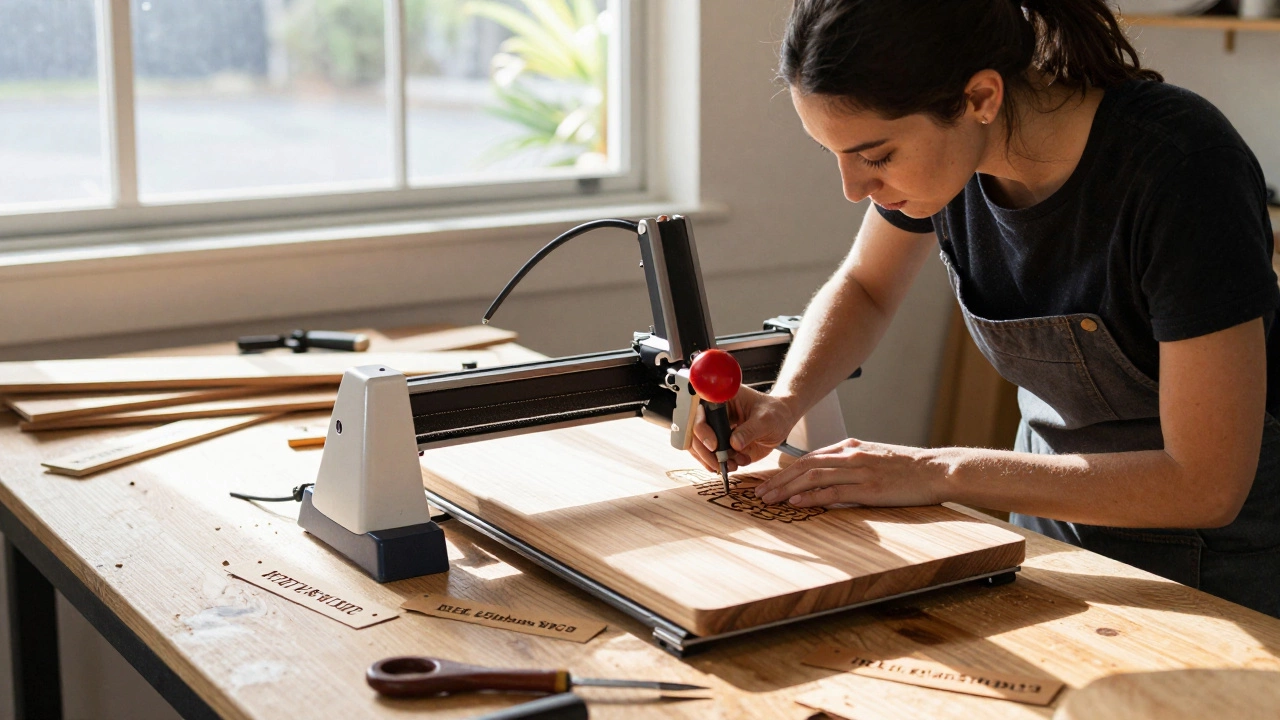
Starting a small scale manufacturing business in Australia doesn't require huge capital. Learn the real costs, where to save money, and how people are launching profitable businesses with under $15,000 in 2026.
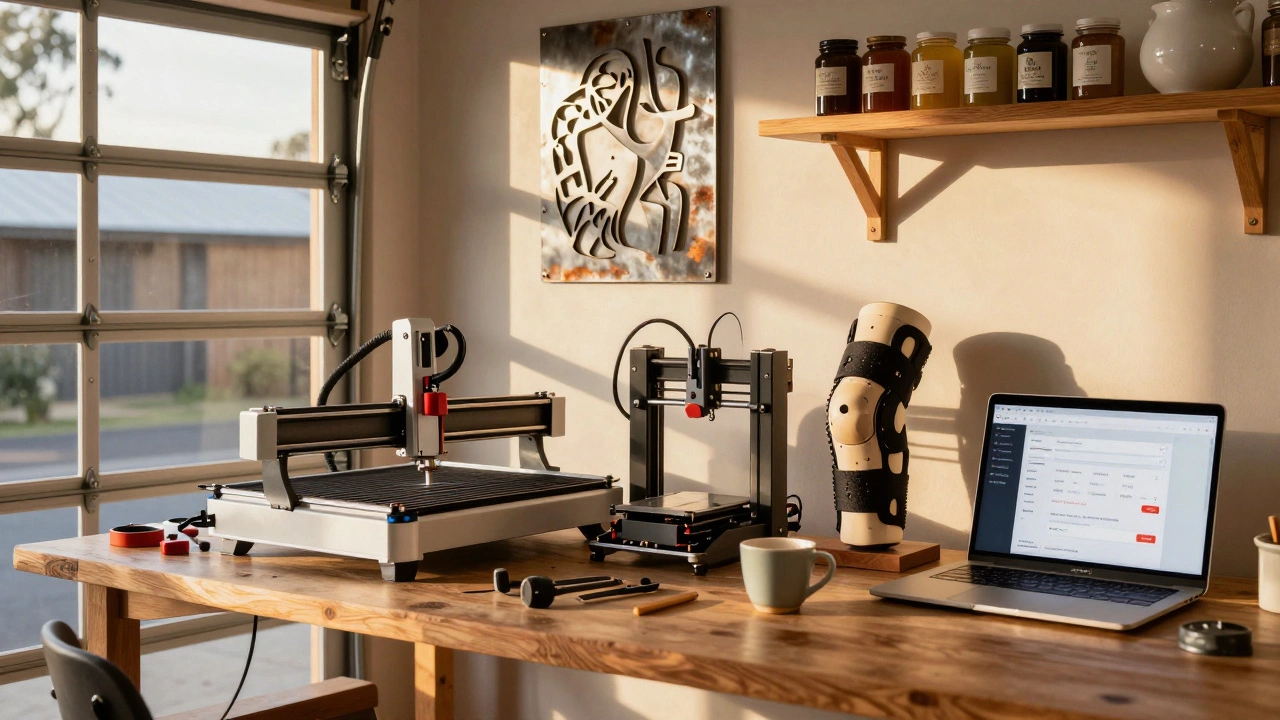
Small scale manufacturing is booming in 2026 with local makers turning cheap tools and recycled materials into profitable businesses. Discover the top 5 booming niches, real earnings, and how to start with under $5,000.

Learn how to make $200 a day from home using small-scale manufacturing-no big investment, no fancy tech, just real products people want to buy. Start with what you have and scale smart.

Discover real examples of small scale manufacturing businesses in Australia - from handmade soap to custom metal planters - and learn how anyone can start a profitable small manufacturing business with minimal investment.

Explore the definition, benefits, challenges, and start-up steps of small scale manufacturing, plus trends, government aid, and FAQs for aspiring makers.

Learn what a small manufacturing company is, its key traits, types, funding options, and how to launch one successfully in Australia.

Small scale industries are boosting local economies, creating jobs, and sparking innovation. Explore why governments, entrepreneurs, and communities focus on these dynamic businesses.

This article clears up what actually qualifies as a small manufacturing company. It breaks down recognized standards from the SBA and other sources, looks at employee numbers and revenue ranges, and explains why these definitions matter for business owners. Readers also get practical insights into perks and challenges of running small operations. You'll find real-world tips for growth and what to expect if you want to start or label your shop as a 'small' manufacturer.

Licensing an idea without holding a patent feels risky, but it’s not impossible. This article breaks down honest ways to pitch and license your product idea by focusing on trade secrets, smart contracts, and building trust with companies. You'll find practical steps to protect your concept and examples of negotiating terms. Real-world tips show how to turn ideas into cash flow even if you can’t afford or don’t want a patent.

Launching a small manufacturing business can be a rewarding endeavor, offering the chance to create unique products and provide jobs. With the right insights into market needs, a solid business plan, and efficient resource management, you can carve a niche in the manufacturing world. Understand legal requirements, explore funding options, and build robust distribution channels to succeed. This guide provides practical tips and steps to get started.