Waste Reduction in Manufacturing: How Indian Factories Are Cutting Costs and Saving Resources
When you think of waste reduction, the practice of minimizing unwanted byproducts in production to cut costs and environmental impact. Also known as resource efficiency, it's not just about being green—it’s about surviving in a competitive market where every kilogram saved means lower costs and higher margins. In Indian manufacturing, waste isn’t just trash—it’s lost profit. Whether it’s scrap metal from a CNC machine, excess fabric from a textile mill, or unused chemicals in a plant, what gets thrown away today could have been sold, reused, or turned into something better tomorrow.
Lean manufacturing, a system focused on eliminating waste while maintaining quality. Also known as continuous improvement, it’s the backbone of how factories in Tamil Nadu, Gujarat, and Uttar Pradesh are cutting waste without slowing down. The 7S method—Sort, Set, Shine, Standardize, Sustain, Safety, Save—isn’t just a buzzword. It’s what’s turning messy workshops into clean, efficient lines. One textile unit in Coimbatore cut fabric waste by 40% just by reorganizing how rolls were stored and cut. Another metal fabrication shop in Pune saved ₹2.3 lakh a year by recycling coolant and reusing scrap steel instead of buying new. These aren’t big corporations with billion-dollar budgets—they’re mid-sized factories doing what smart operators have always done: fix what’s broken before it breaks the bank.
Waste reduction doesn’t mean buying expensive tech. It starts with asking simple questions: Why are we cutting 10% more material than needed? Why is 30% of our chemical inventory sitting unused? Who’s responsible for tracking scraps? The answers are often right on the shop floor. Factories that track waste like they track sales—daily, by line, by shift—see results fast. And in India, where labor is abundant but energy and raw materials aren’t, saving even 5% on inputs can mean the difference between profit and loss.
From plastic recyclers turning packaging waste into new products, to furniture makers using offcuts for smaller items, waste reduction is happening everywhere. It’s not a trend. It’s a necessity. And the factories that get it right aren’t just helping the planet—they’re outperforming competitors who still treat waste as an unavoidable cost of doing business.
Below, you’ll find real examples of how Indian manufacturers are cutting waste, saving money, and building smarter operations—no fluff, no theory, just what works on the ground.
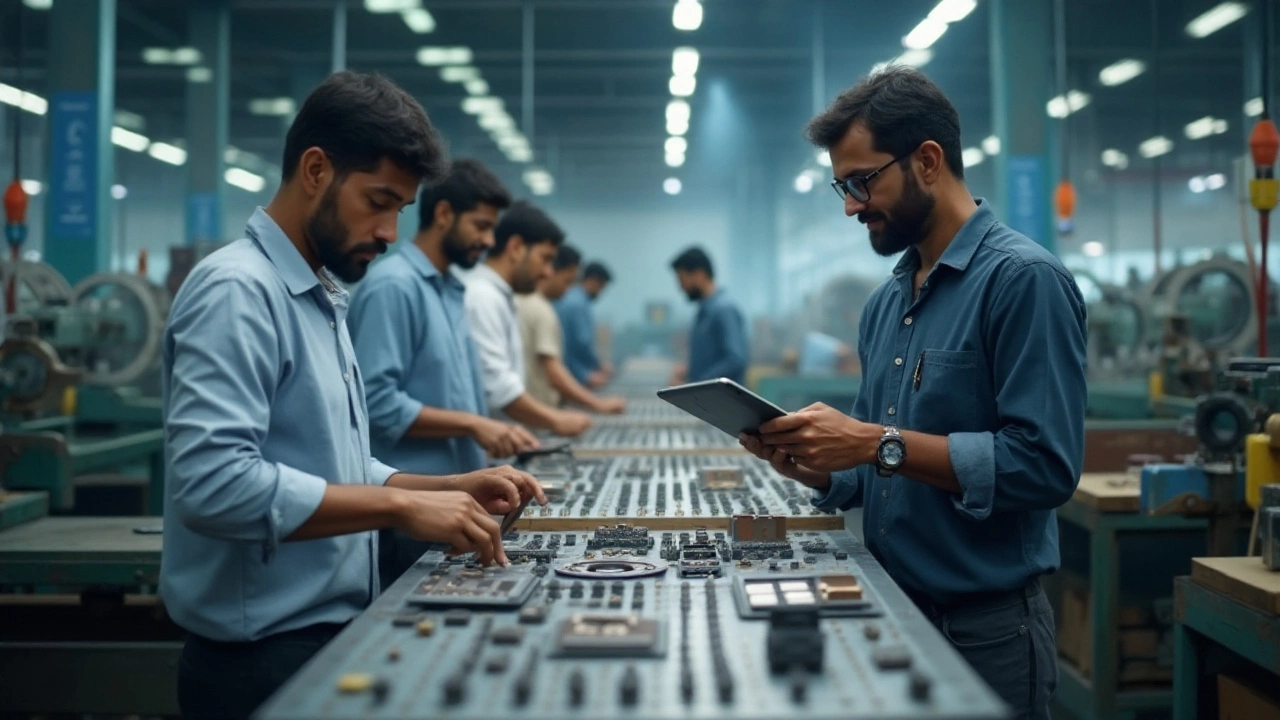
The Tim Woods theory offers manufacturing startups a structured approach to boost efficiency and reduce waste. By understanding and tackling common forms of waste, startups can enhance their operational effectiveness. This article unpacks each component of the theory and provides practical tips for implementation. Uncover how this process can transform your manufacturing process to be more agile and competitive.