US Steel Plants: How They Work, Who Runs Them, and Why They Matter
When you think about US steel plants, industrial facilities that melt, shape, and process raw iron and scrap into structural steel for construction, vehicles, and machinery. Also known as steel mills, they’re the quiet engines behind American infrastructure—from bridges in Texas to wind turbines in Iowa. Unlike the flashy tech factories you hear about, these are heavy, loud, and built to last. They don’t make apps. They make beams, pipes, and sheets that hold up the real world.
Most US steel plants, large-scale manufacturing sites that use electric arc furnaces or blast furnaces to produce steel. Also known as steel mills, they’re the quiet engines behind American infrastructure—from bridges in Texas to wind turbines in Iowa. are concentrated in a few key states. Pennsylvania leads the pack, thanks to its long history of coal and iron ore access, and its deep-rooted industrial workforce. But you’ll also find major operations in Indiana, Ohio, and Alabama, where newer, more efficient mills have popped up. These aren’t just factories—they’re economic anchors. A single plant can employ thousands and support hundreds of local suppliers, from trucking firms to machine shops.
What makes US steel plants different from, say, Chinese ones? It’s not just labor costs. It’s environmental rules, energy prices, and government policy. US mills pay more for electricity and must meet strict emissions standards. That’s why US steel often costs more than imported steel—but it’s also why many buyers, from automakers to defense contractors, still choose it. Quality, consistency, and traceability matter when you’re building a jet engine or a hospital. You can’t afford to cut corners.
There’s also a shift happening. Many older blast furnace plants are being replaced by electric arc furnaces that melt scrap metal instead of raw ore. This cuts emissions and uses less energy. It’s also cheaper in the long run. Companies like Nucor and Steel Dynamics are leading this change, proving that American steel can be modern, clean, and competitive. Meanwhile, global supply chain disruptions and trade tariffs have made local production more attractive than ever.
What you’ll find below are real stories about how these plants operate, who competes with them, and why the price of steel in the US doesn’t just depend on oil or labor—it depends on politics, technology, and geography. From Pennsylvania’s legacy mills to the new green facilities in Alabama, this collection breaks down the facts behind the steel that builds America.
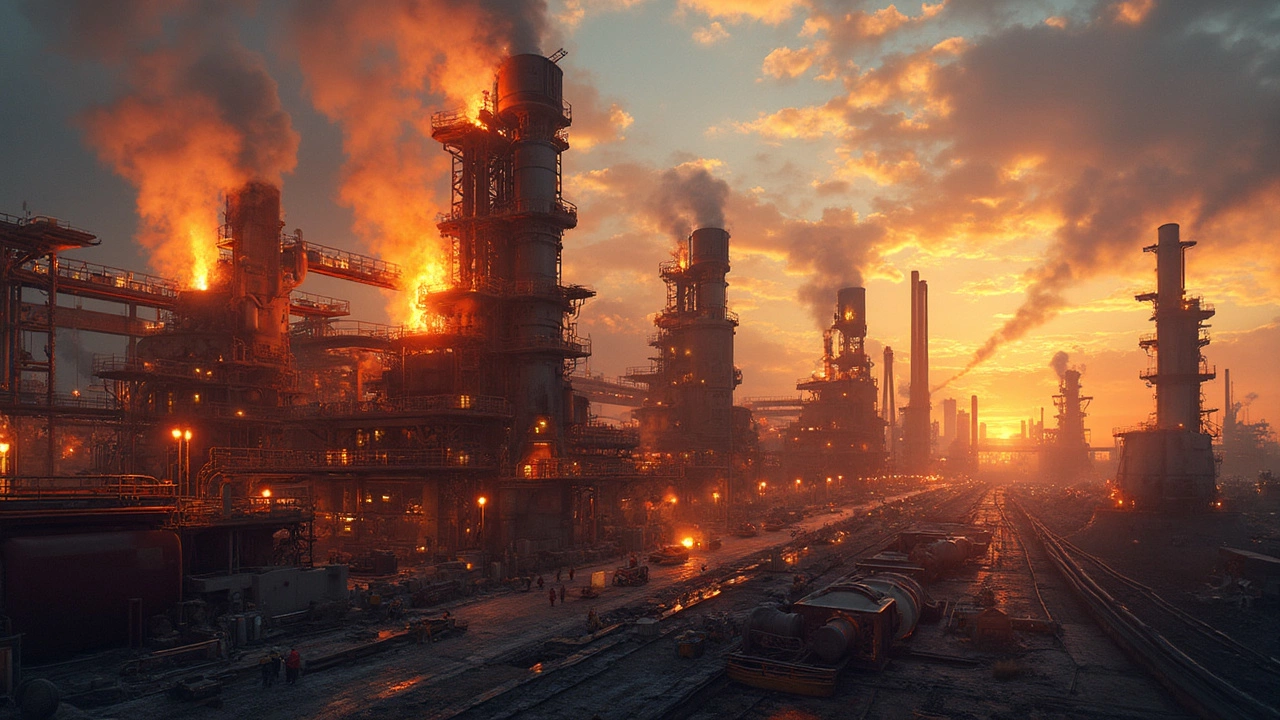
Steel manufacturing plants aren't a thing of the past in the United States—they're still a big deal today. From massive plants in the Midwest to high-tech mini-mills in the South, these facilities shape the backbone of America's economy. The article digs into where these plants are, who runs them, and what they actually make. You'll also find out why American steel production matters and how the industry keeps up with modern needs. Plus, there are tips for anyone curious about finding steel suppliers or jobs in the industry.