Steel Factories in India: Who Makes It, Where, and Why It Matters
When you think of steel factories, industrial facilities that produce raw steel through smelting, refining, and rolling processes. Also known as steel mills, they’re the backbone of modern infrastructure—from bridges and trains to kitchen appliances and solar panel frames. India isn’t just buying steel anymore—it’s making it at scale. With over 120 million tonnes produced in 2024, India is now the world’s second-largest steel producer, behind only China. And unlike many countries that import finished steel, India’s steel factories, large-scale manufacturing plants that convert iron ore and scrap into usable steel are growing faster than ever, thanks to government push, lower energy costs, and smarter tech.
What makes Indian steel factories different? It’s not just size—it’s strategy. Plants in Jamshedpur, Bhilai, and Rourkela use modern blast furnaces and electric arc furnaces to cut waste and boost output. Meanwhile, smaller players in Gujarat and Odisha are thriving by recycling scrap metal, cutting costs, and serving local builders. Unlike the U.S., where steel production is tied to high energy prices and strict rules, India’s factories benefit from lower labor costs, domestic iron ore, and fewer environmental delays. That’s why Chinese steel used to dominate global markets—but now, Indian steel is catching up fast, especially in Africa, the Middle East, and Southeast Asia.
It’s not just about making steel. It’s about what you make it into. Factories in India now produce high-strength steel for auto parts, corrosion-resistant grades for coastal construction, and even thin sheets for electronics. Companies like Tata Steel and JSW Steel don’t just run mills—they run R&D labs, train welders, and partner with startups to build the next generation of steel products. And while big names get the headlines, dozens of mid-sized steel plants in Maharashtra and Chhattisgarh are quietly becoming key suppliers for everything from bicycle frames to solar mounting systems.
If you’re in construction, manufacturing, or even starting a small business that uses metal, understanding how Indian steel factories work gives you real leverage. You can source better quality at lower prices. You can avoid import delays. You can even find local suppliers who’ll customize steel grades for your needs. The next time you see a new bridge, a factory building, or a delivery truck on the road, know this: it likely started as raw ore in one of these factories. And the best part? India’s steel story is still being written—and you’re right here to see it unfold.
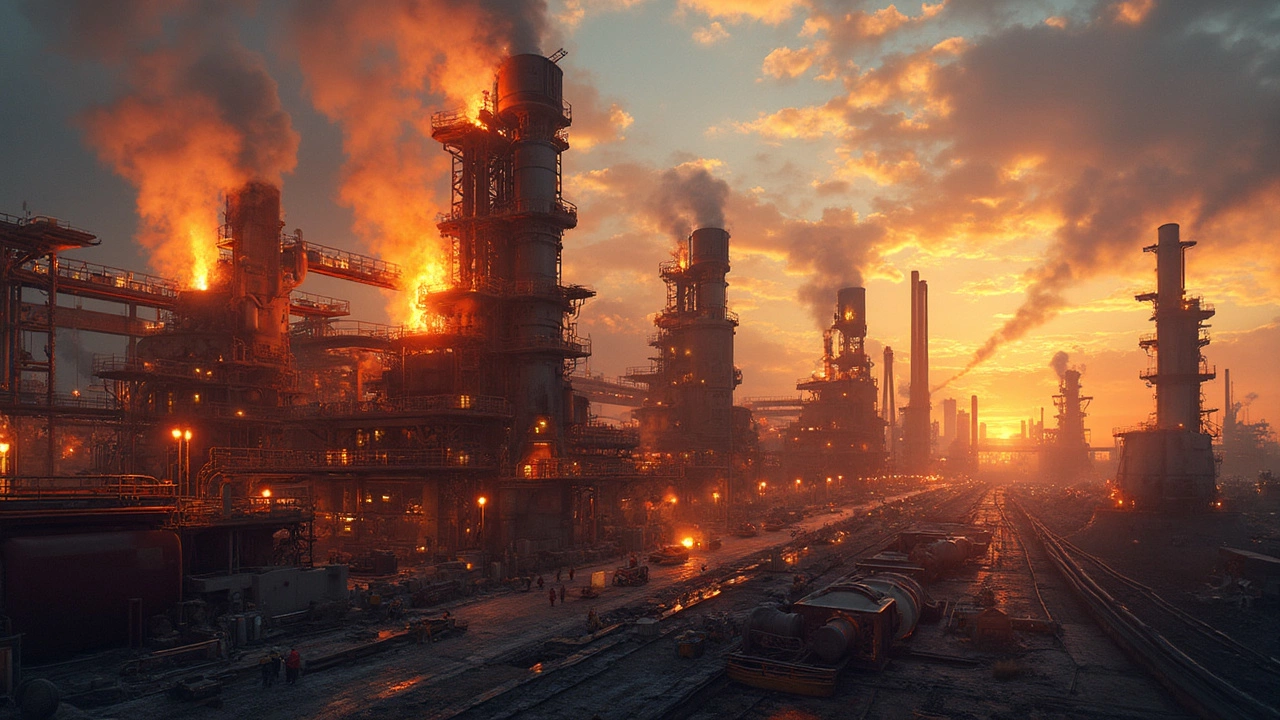
Steel manufacturing plants aren't a thing of the past in the United States—they're still a big deal today. From massive plants in the Midwest to high-tech mini-mills in the South, these facilities shape the backbone of America's economy. The article digs into where these plants are, who runs them, and what they actually make. You'll also find out why American steel production matters and how the industry keeps up with modern needs. Plus, there are tips for anyone curious about finding steel suppliers or jobs in the industry.