Production Methods in India: How Factories Make Things Better, Faster, Cheaper
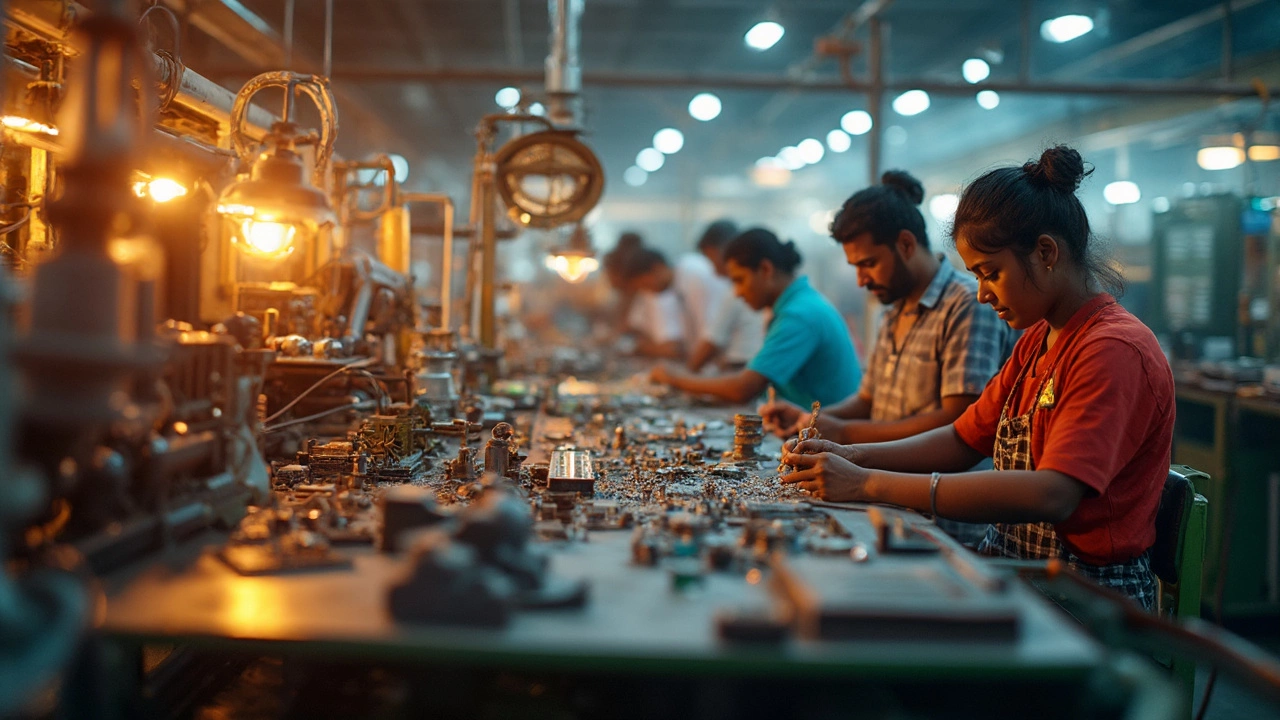
When you think about production methods, the ways factories and workshops turn raw materials into finished goods. Also known as manufacturing processes, it's not just about machines—it's about how people, tools, and systems work together to create something real. In India, these methods are evolving fast. From tiny workshops in Mirzapur carving wooden furniture by hand to giant electronics plants in Tamil Nadu assembling smartphones at scale, the country is proving you don’t need to copy the West to compete—you just need to adapt.
One big shift is the rise of small scale manufacturing, businesses that make goods with limited equipment but high skill. Also known as local manufacturing, these operations thrive on customization, low overhead, and deep community ties. Think handmade textiles in Kanchipuram, custom metal planters in Bangalore, or soap factories run out of garages. Then there’s lean manufacturing, a system focused on cutting waste and boosting efficiency. Also known as 7S methodology, it’s why some Indian factories now run cleaner, faster, and with fewer errors than their global peers. These aren’t just buzzwords—they’re daily practices in places like Coimbatore’s textile mills and BEML’s earth-moving equipment plants.
What ties these together? It’s not just technology. It’s control. Indian manufacturers are learning to control their supply chains, their labor, their materials. Sodium hydroxide powers textile dyeing. Sheesham wood comes from local forests. Factories in Tamil Nadu don’t wait for imported parts—they make them. That’s the real edge. And it’s not limited to big names. Even a small furniture maker in Uttar Pradesh uses production methods that are smarter, cheaper, and more responsive than you’d expect.
You’ll find all this in the posts below. Real examples. Real costs. Real factories. Whether you’re curious about how a pharmacy gets its pills made, why IKEA chose India, or how a single chemical like sodium hydroxide runs half the country’s industry—you’ll see how production methods aren’t just about machines. They’re about people making smart choices, one product at a time.
Discover the six main manufacturing processes pivotal to government schemes worldwide. This article delves into each process, highlighting its purpose and application within industrial planning. Learn how assembly, fabrication, molding, machining, joining, and additive manufacturing play crucial roles in economic development. With insights into governmental strategies, uncover practical tips for navigating the manufacturing landscape.