Process Engineering in Manufacturing: What It Is and How It Powers Indian Industry
When you think of a factory, you might picture machines moving parts. But what makes those machines work together smoothly? That’s where process engineering, the design, analysis, and improvement of manufacturing workflows to maximize output and minimize waste. Also known as production engineering, it’s the unseen force behind every bottle of shampoo, every steel beam, and every smartphone made in India. It’s not about fixing broken machines—it’s about asking: How can we make this whole system faster, cheaper, and more reliable?
Process engineering doesn’t exist in a vacuum. It connects directly to lean manufacturing, a system focused on eliminating waste in every step of production. You see it in Tamil Nadu’s textile mills where they cut fabric waste by 15% just by rearranging cutting patterns. It shows up in BEML’s assembly lines in Bangalore, where they reduced machine downtime by standardizing maintenance checks. And it’s why food processors are now standard in Indian restaurants—because someone analyzed how long it took to chop onions by hand versus using a machine, and chose the faster option. This isn’t theory. It’s daily practice in hundreds of Indian factories.
Process engineering also leans on tools like the 7S methodology, a practical framework for organizing workspaces to improve safety, efficiency, and consistency. Sort, Set in Order, Shine—these aren’t just buzzwords. They’re steps taken by small manufacturers in Mirzapur to keep their wood carving stations clean and productive. They’re why a chemical plant in Gujarat tracks sodium hydroxide usage down to the liter, because even small leaks add up to big costs. And when you look at why IKEA chose India, part of the answer lies in process engineering: local suppliers could deliver consistent quality at scale because their production systems were optimized, not just cheap.
What you’ll find below isn’t a textbook. It’s real cases. From how small businesses in India cut costs using simple process tweaks, to why Indian textiles beat global competitors in consistency, to how food processing plants pick the most profitable items to make. These aren’t guesses. They’re results from factories that didn’t wait for big budgets—they just asked better questions. Whether you run a workshop, manage a team, or just want to understand how things get made, these posts show you what works on the ground in India today.
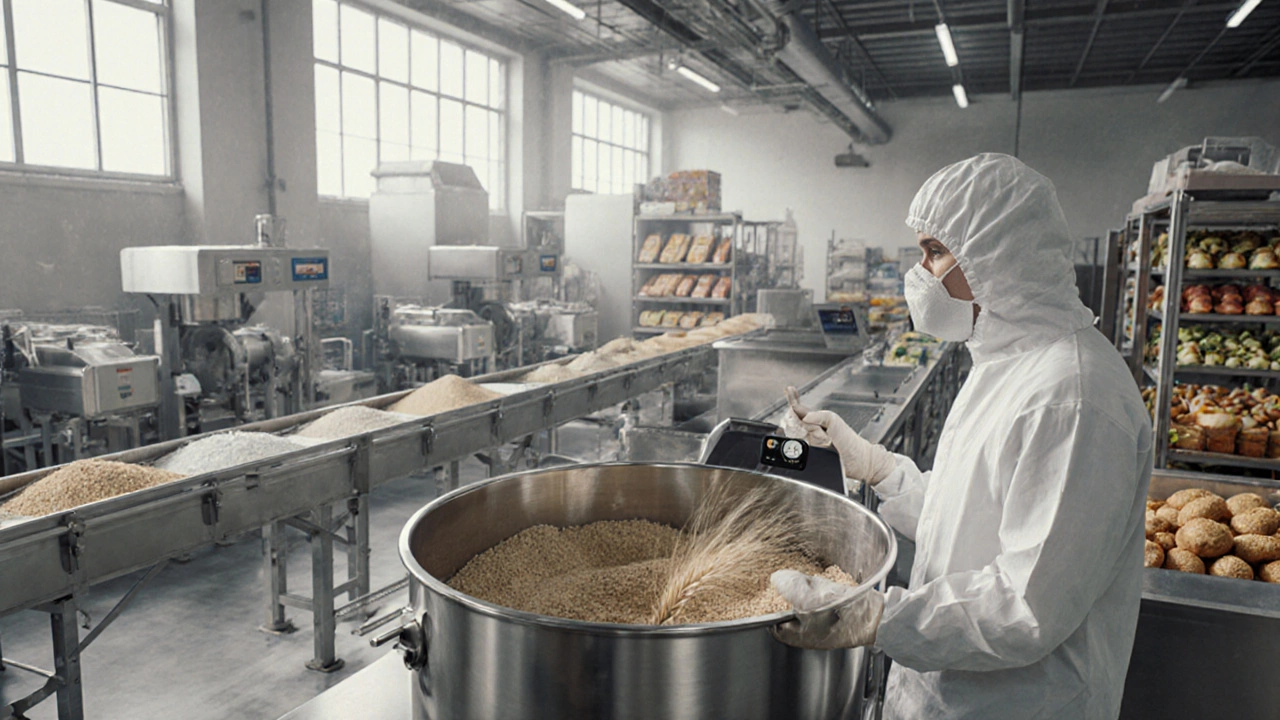
Learn how unit operations in the food industry are grouped into physical, chemical, and biological categories, with examples, selection tips, and emerging trends.