Manufacturing Growth 2025: India's Surge in Electronics, Textiles, and Heavy Machinery
When we talk about manufacturing growth 2025, the rapid expansion of industrial output driven by technology, policy, and local demand. Also known as industrial expansion, it's not just about more factories—it's about smarter, faster, and more competitive production. India isn’t just keeping up; it’s pulling ahead. In 2024, the electronics industry alone hit $180 billion in output, up ninefold since 2014. Smartphones, laptops, and even chips are now being made here at scale, thanks to incentives, local supply chains, and a workforce that’s learning fast.
This growth isn’t isolated. textile manufacturing India, the production of fabrics, garments, and home textiles using both traditional craftsmanship and modern machinery. Also known as Indian textiles, it’s the backbone of rural employment and global exports. Tamil Nadu alone makes 30% of India’s textile output, with Coimbatore and Tirupur turning out denim and knitwear that compete with China and Bangladesh. Meanwhile, Uttar Pradesh’s Mirzapur is famous for hand-carved wooden furniture, using sheesham and teak wood passed down through generations. These aren’t small side businesses—they’re major export engines.
And then there’s heavy machinery India, the design and production of large equipment like earthmovers, cranes, and construction tools used in infrastructure. Also known as construction equipment manufacturing, it’s where India’s self-reliance story shines. Bharat Earth Movers Limited (BEML) isn’t just Asia’s largest maker of earthmoving gear—it’s proof that Indian companies can build machines that outlast and outperform imports. Caterpillar might be global, but BEML owns the local market because it knows Indian roads, Indian weather, and Indian budgets.
What’s driving this? It’s not luck. Government schemes like Make in India, cheaper power, better logistics, and a growing domestic market are pulling manufacturers here. Companies aren’t just setting up shops—they’re building entire ecosystems. From sodium hydroxide used in soap and textiles to recycled plastics turned into high-margin products, the supply chain is tightening. Even small-scale manufacturers are thriving, turning out custom metal planters, handmade soaps, and precision parts that feed larger industries.
By 2025, this growth won’t be limited to one sector. It’s happening across electronics, textiles, chemicals, furniture, and machinery—all feeding each other. You’ll find the data in the posts below: which states lead, which companies are winning, what materials are in demand, and how real businesses are scaling without massive capital. This isn’t theory. It’s what’s happening right now on factory floors across India.
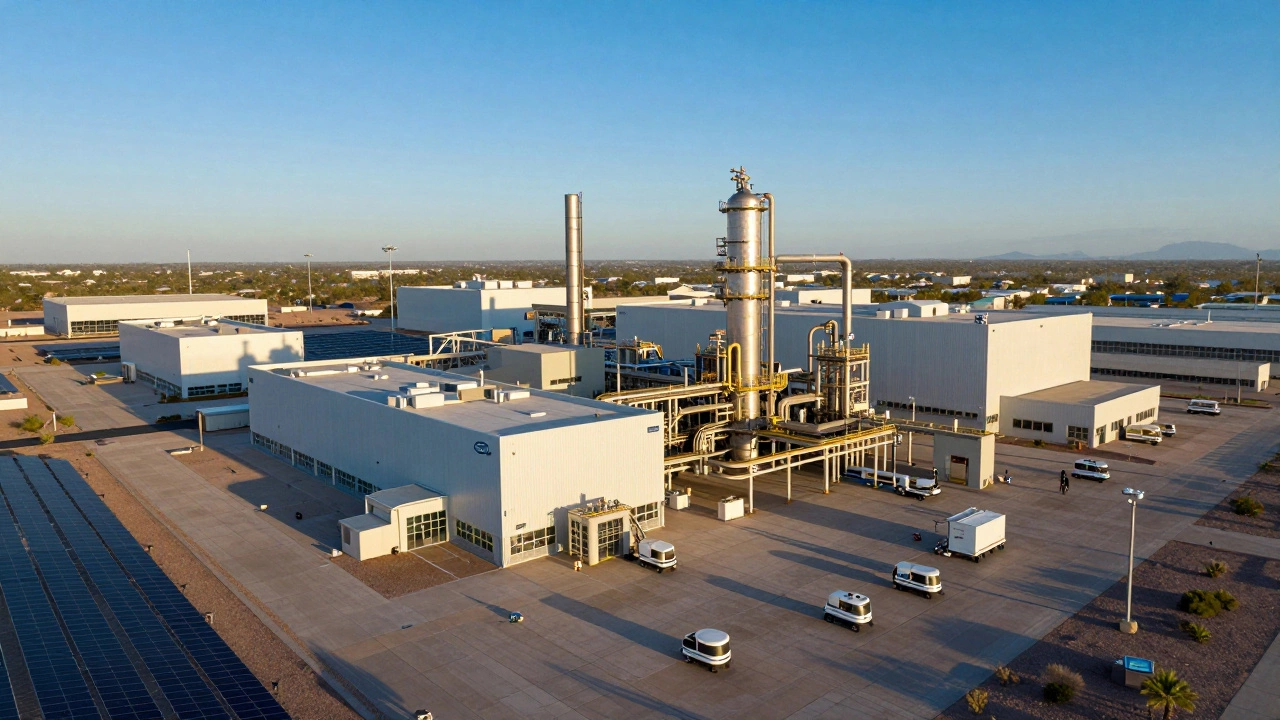
In 2025, Texas, Georgia, North Carolina, Tennessee, and Arizona are leading U.S. manufacturing growth with incentives, workforce training, and supply chain investments. Discover why these states are attracting billions-and how startups can benefit.