Manufacturing Efficiency: How Indian Factories Cut Waste, Boost Output, and Stay Competitive
When we talk about manufacturing efficiency, the ability to produce more goods with fewer resources, less time, and lower waste. Also known as production optimization, it’s what separates factories that survive from those that shut down. In India, where labor costs are rising and global buyers demand faster delivery, efficiency isn’t optional—it’s the only way to compete.
It’s not just about buying newer machines. Real manufacturing efficiency comes from how well you use what you already have. Think about lean manufacturing, a system focused on eliminating waste in every step of production. Also known as just-in-time production, it’s why companies like BEML and textile mills in Tamil Nadu cut inventory costs by 30% without losing output. Or take factory productivity, how much output you get per worker or per hour. In Mirzapur’s wooden furniture workshops, skilled artisans use centuries-old tools but organize their workflow like a modern assembly line—each cut, sand, and finish happens in a fixed order, reducing mistakes and rework. Even small-scale makers in India are adopting these tricks: one soap maker reduced material waste by 40% just by tracking how much raw material went into each batch.
What makes Indian factories unique is how they blend low-tech fixes with smart systems. A food processing plant in Gujarat doesn’t need fancy AI to boost efficiency—it uses color-coded bins, shift handover checklists, and daily production boards that anyone can read. That’s manufacturing efficiency: simple, visible, and repeatable. Meanwhile, electronics makers in Tamil Nadu and Karnataka are linking their machines to basic dashboards that show real-time downtime, helping them fix issues before a whole line shuts down.
Efficiency doesn’t mean working harder. It means working smarter. It’s why Indian steel plants now match global output levels despite smaller budgets. It’s why furniture exporters from Uttar Pradesh beat international competitors on delivery time. And it’s why small businesses—like those making custom metal planters or medical device parts—are landing big contracts without big teams.
Below, you’ll find real stories from Indian factories—big and small—that cracked the code on efficiency. You’ll see how they cut costs, reduced waste, and turned ordinary machines into profit engines. No theory. No fluff. Just what actually works on the floor.

The 7S of manufacturing is a simple, powerful system for improving efficiency, safety, and organization in any production environment. Learn how Sort, Set in Order, Shine, Standardize, Sustain, Safety, and Save transform messy workshops into high-performing operations.
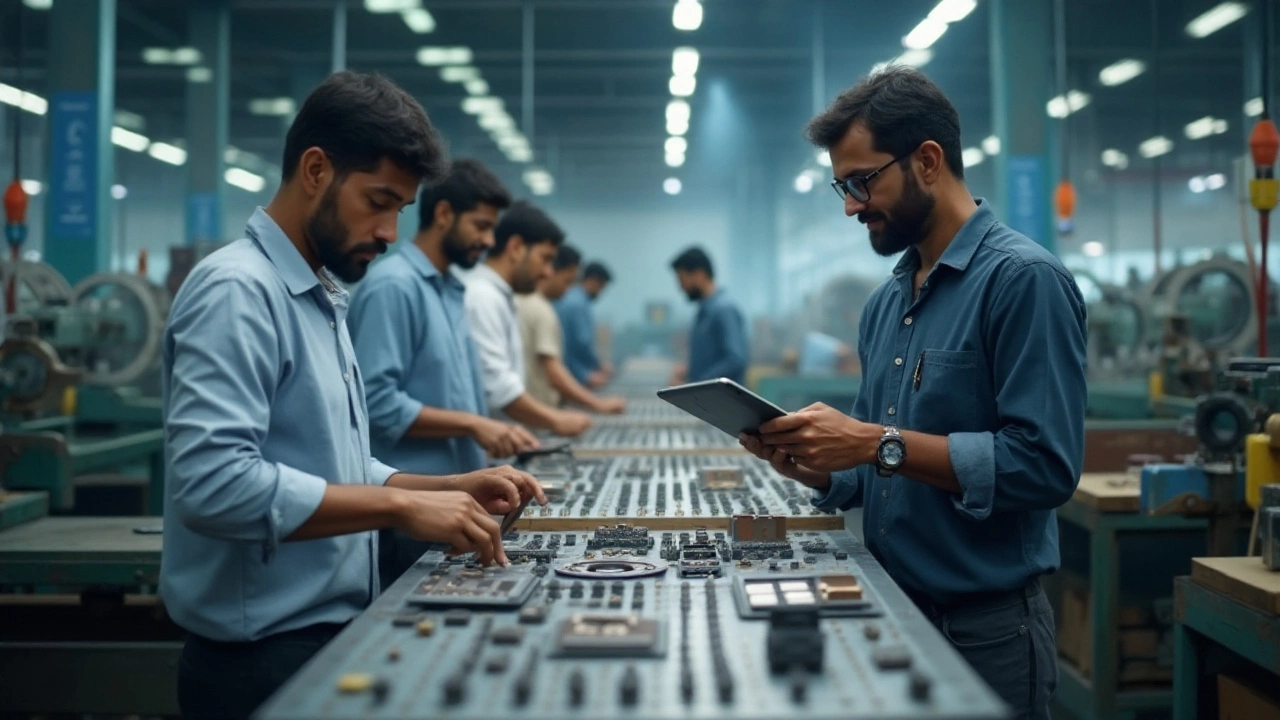
The Tim Woods theory offers manufacturing startups a structured approach to boost efficiency and reduce waste. By understanding and tackling common forms of waste, startups can enhance their operational effectiveness. This article unpacks each component of the theory and provides practical tips for implementation. Uncover how this process can transform your manufacturing process to be more agile and competitive.