How It Works: Understanding Manufacturing Processes in India
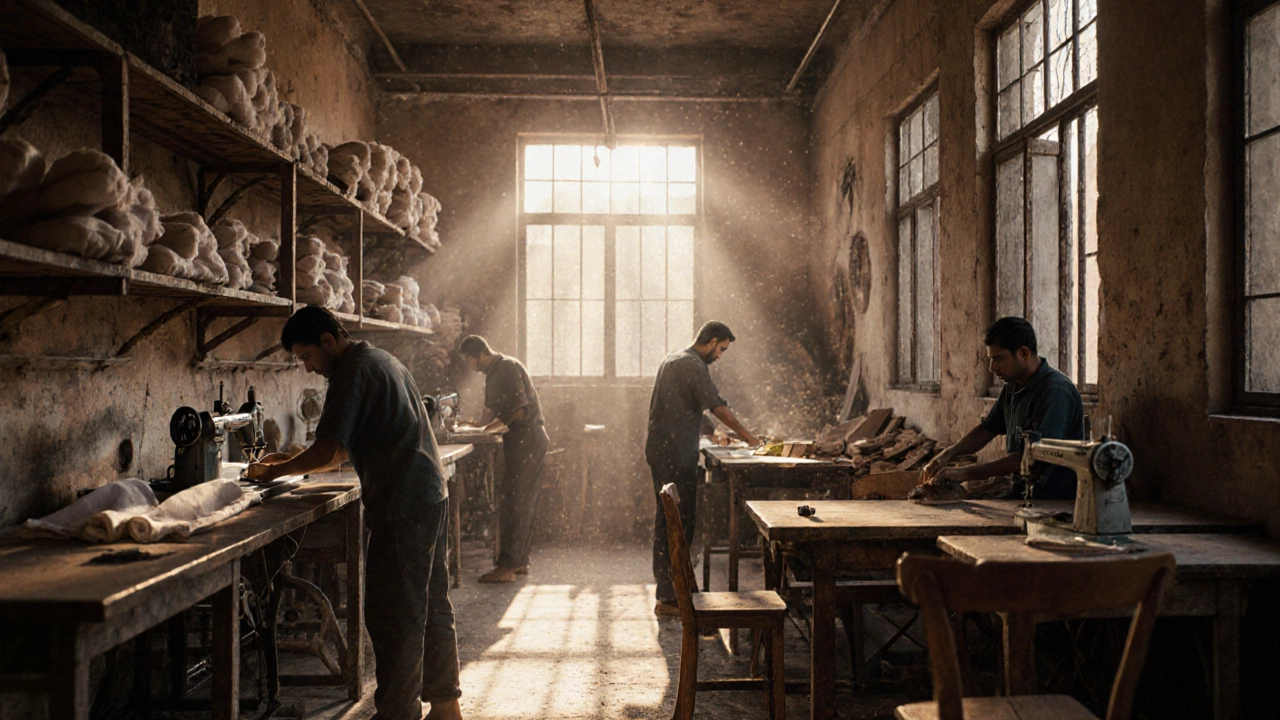
When you ask how it works, the real system behind making things in India, you’re not just asking about machines. You’re asking about people, processes, and the quiet discipline that turns raw materials into products people use every day. This isn’t about glossy factory tours—it’s about the daily rhythm of sorting, setting, shining, and sustaining in workshops from Tirupur to Mirzapur. The 7S of manufacturing, a practical method for organizing production spaces isn’t a theory here—it’s the rule. Every successful small factory, whether making soap, steel parts, or wooden furniture, starts by cleaning up the mess, putting tools where they belong, and keeping things that way.
What makes Indian manufacturing different isn’t just cost. It’s adaptability. You’ll find sodium hydroxide, a chemical used in soap, textiles, and food processing driving production in small plants across Uttar Pradesh, while in Tamil Nadu, automated looms and handloom weavers work side by side to meet global demand. The electronics industry, a $180 billion force in India didn’t grow by copying China—it grew by fixing supply chains, training workers, and focusing on what local customers actually need. Whether it’s BEML building earth movers for Indian roads or a family-run workshop in Gujarat making hand-dyed Bandhani fabric, the same principles apply: reduce waste, keep things simple, and solve problems fast.
Big names like IKEA came to India not because labor was cheap, but because the system worked. Local suppliers could deliver consistent wood, skilled carpenters could customize designs overnight, and factories could scale without breaking down. That’s the hidden edge. You won’t find this in textbooks—you’ll find it in the way a small plastic recycler in Pune turns waste into profit, or how a textile mill in Coimbatore cuts water use by 40% without new machines. These aren’t exceptions. They’re the norm. Below, you’ll see real examples of how this works—from the tools used in restaurant kitchens to the chemical that powers half the country’s industry. No fluff. Just how things actually get made.
Explore the definition, benefits, challenges, and start-up steps of small scale manufacturing, plus trends, government aid, and FAQs for aspiring makers.