Food Safety in Manufacturing: What You Need to Know About Safe Food Processing in India
When we talk about food safety, the practices and standards that prevent contamination and ensure food is safe to eat from factory to table. It's not just about clean floors and gloves—it's about systems that stop bacteria, chemicals, and mistakes before they reach your plate. In India, where food processing is growing fast and small manufacturers are popping up everywhere, food safety is no longer optional. It's the difference between staying in business and shutting down after a single inspection.
Most people think food processors, like the ones used in restaurants and factories, are just for chopping or blending. But in professional settings, they’re part of a bigger safety chain. A poorly cleaned food processor can harbor listeria. A machine that isn’t calibrated right can overheat and alter the chemical balance in sauces or spices. That’s why food safety standards in India now require regular cleaning logs, temperature controls, and staff training—not just for big brands, but for any business making packaged food.
It’s not just about machines. The food manufacturing process starts with raw materials. A spice grinder in Mirzapur, a dairy plant in Punjab, a pickle factory in Andhra Pradesh—they all need the same basic rules: clean water, pest-free storage, and traceable ingredients. The government’s FSSAI rules are clear, but many small players still cut corners. That’s why posts on this page dig into real examples: how a single faulty batch can ruin a brand, why some Indian food processors are now exporting to Europe because they got safety right, and what simple steps even a home-based snack maker can take to stay compliant.
You won’t find fluff here. No vague advice like "be careful" or "follow guidelines." You’ll find what actually works: how sodium hydroxide is used safely in food processing, why restaurants rely on food processors not just for speed but for consistency, and how the same quality controls that make Indian textiles world-class also apply to food. Whether you run a tiny kitchen lab or manage a production line, the rules are the same—safety isn’t a cost, it’s your reputation.
Below, you’ll see real cases—from the profit margins in food processing to the equipment used in high-volume kitchens, and how Indian manufacturers are meeting global standards without losing local flavor. This isn’t theory. It’s what’s happening right now in factories, labs, and small shops across the country.
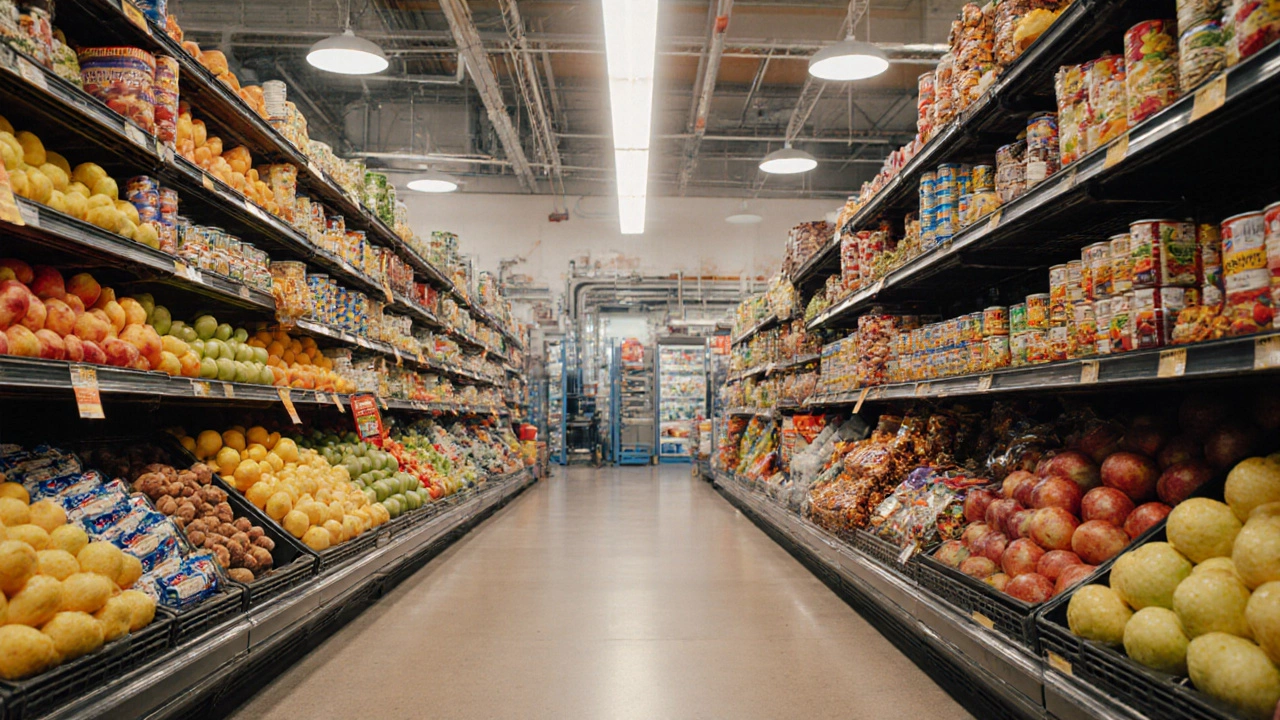
Explore the main fields of food processing-from primary handling of raw ingredients to packaging and quality control-plus key techniques, equipment, and regulations.