Food Processing Fields in India: Key Industries, Tools, and Profitable Opportunities
When we talk about food processing fields, the industrial activities that transform raw agricultural products into packaged, shelf-stable, or ready-to-eat food items. Also known as food manufacturing, it’s one of the fastest-growing sectors in India’s economy, touching everything from street-side snacks to exported frozen meals. This isn’t just about machines chopping vegetables—it’s a network of supply chains, chemical inputs, equipment, and regulations that turn farm produce into profit.
One of the most common tools in these fields is the food processor, a commercial-grade machine used in restaurants and factories to chop, blend, shred, and mix ingredients quickly and consistently. These aren’t just kitchen gadgets—they’re essential for high-volume production, cutting labor costs, and ensuring uniform quality. You’ll find them in dairies processing cheese, snack factories grinding spices, and juice plants pulping fruits. But behind the machines is another invisible player: sodium hydroxide, a chemical widely used in food processing for peeling fruits, cleaning equipment, and adjusting pH levels in products like olives and pretzels. It’s not flashy, but without it, many processed foods wouldn’t exist at scale.
India’s food processing fields aren’t just about efficiency—they’re about margins. Some products, like packaged spices, dried fruits, and ready-to-cook mixes, bring in profit margins over 40%, far higher than raw agriculture. States like Punjab and Maharashtra lead in fruit and vegetable processing, while Tamil Nadu and Gujarat dominate in dairy and snack manufacturing. The government’s push for FPOs (Farmer Producer Organizations) and cold chain infrastructure is helping small players enter the market, turning local produce into branded goods sold across the country and abroad.
What’s driving this growth? It’s not just demand—it’s cost control. Using the right equipment, avoiding waste, and choosing high-margin ingredients like pulses, coconut, and turmeric can make or break a business. The same chemical that cleans a factory floor also helps preserve pickles. The same machine that grinds lentils for instant dosa batter also processes chickpeas for export. These aren’t separate worlds—they’re connected by one simple truth: in food processing fields, small improvements in efficiency lead to big returns.
Below, you’ll find real insights from businesses that are winning in this space—from the tools they use to the products that actually make money. Whether you’re looking to start a small processing unit or just understand why your favorite snack costs what it does, the articles ahead break it down without fluff.
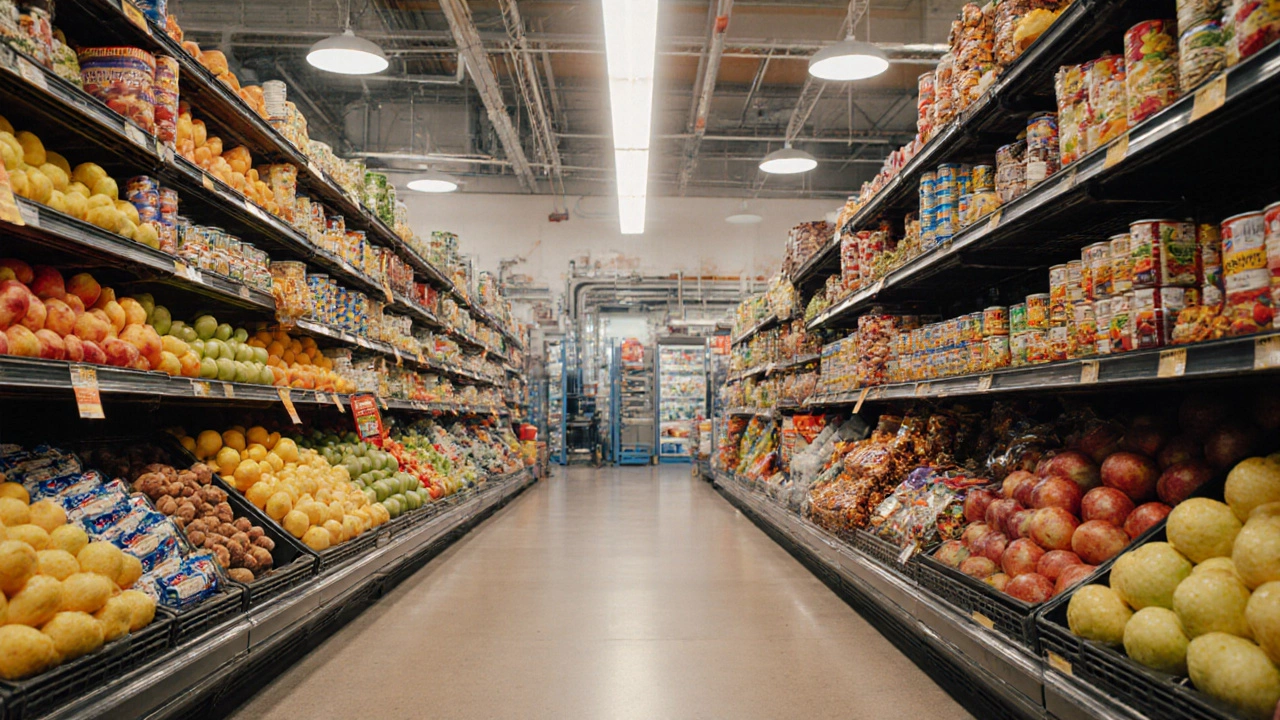
Explore the main fields of food processing-from primary handling of raw ingredients to packaging and quality control-plus key techniques, equipment, and regulations.