Food Packaging: What It Is, How It Works, and Why Indian Manufacturing Is Leading the Way
When you open a packet of chips, peel back the lid of a ready-to-eat curry, or grab a bottled juice, you're interacting with food packaging, the protective layer designed to keep food safe, fresh, and ready for consumption. Also known as packaging for consumables, it’s not just a wrapper—it’s a critical part of the food supply chain that affects safety, waste, cost, and even taste. Without proper packaging, food spoils faster, gets contaminated, or becomes unmarketable. In India, where millions rely on daily fresh deliveries and long-distance supply chains, the role of food packaging has grown from simple wrapping to smart, hygienic, and scalable systems.
Behind every package is a mix of food processing, the methods used to transform raw ingredients into shelf-stable products and food packaging materials, the plastics, laminates, metals, and biodegradable films chosen for durability, cost, and safety. These materials must meet strict standards—no leaching chemicals, no moisture seepage, no microbial growth. Indian manufacturers are now producing high-barrier films that rival global brands, using locally sourced resins and adapting to regional needs like monsoon-proof sealing or long-distance transport in hot climates. You’ll find these same materials in snacks from Mumbai, ready meals from Bangalore, and even exported masalas shipped to the U.S. and Middle East.
The connection between food packaging and manufacturing in India, a sector now driving global supply chains with precision, scale, and cost efficiency is stronger than ever. From small-scale units in Tirupur making vacuum-sealed spice pouches to large plants in Gujarat producing aluminum laminates for dairy products, the country’s packaging industry is growing fast. Government pushes like Make in India and FSSAI regulations have raised the bar, forcing local makers to adopt automation, quality controls, and traceability. The result? Packaging that’s not just cheaper but smarter—lighter, recyclable, and designed for India’s unique logistics.
What you’ll find in the posts below are real examples of how food packaging works on the ground—from the machines used in kitchens to the materials chosen by brands, and how Indian factories are making it all possible. Whether you’re curious about why your favorite snack stays crisp for months, or how a small food processor in Rajasthan competes with global giants, the answers are here—no fluff, just facts.
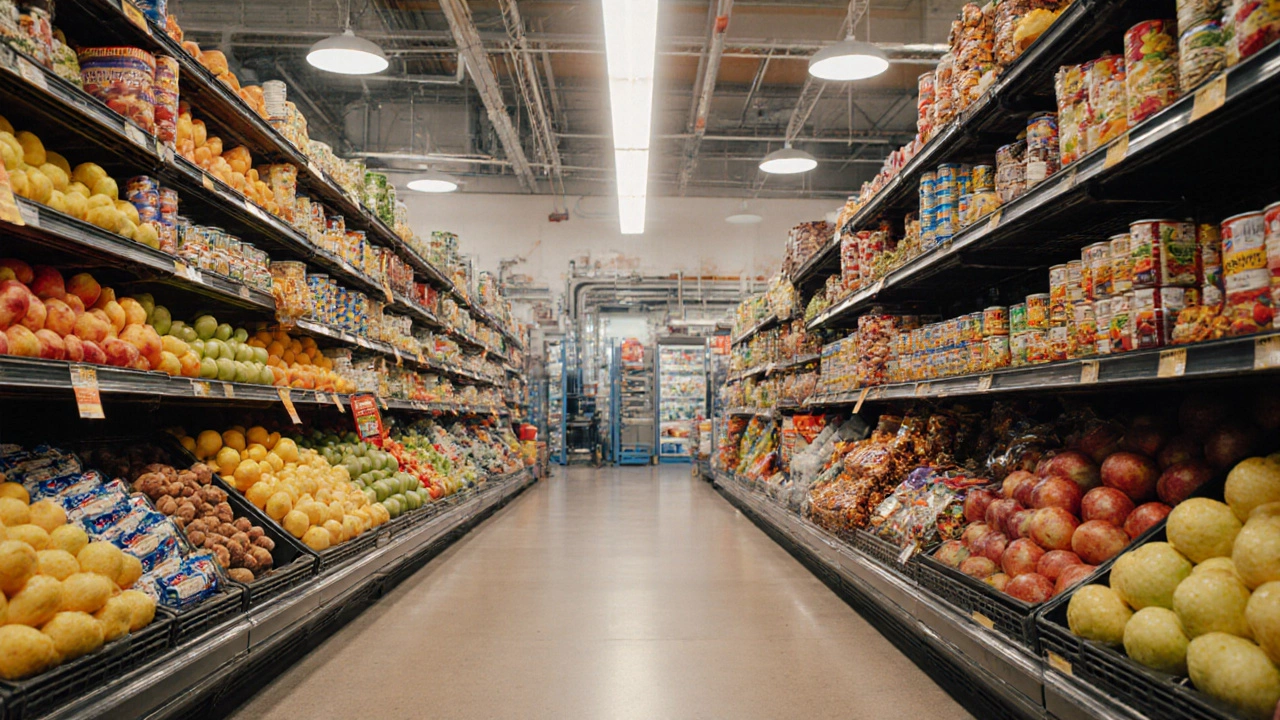
Explore the main fields of food processing-from primary handling of raw ingredients to packaging and quality control-plus key techniques, equipment, and regulations.