Chinese Steel: Quality, Impact, and What It Means for Indian Manufacturing
When you think of Chinese steel, steel produced in China, often exported globally at competitive prices with varying quality standards. Also known as Made-in-China steel, it powers everything from construction in Africa to appliances in Europe. But here’s the real question: is it the best choice for Indian factories, builders, and makers? It’s cheap, yes—but cheap doesn’t always mean smart.
India imports billions in steel every year, and a big chunk of that comes from China. But the story isn’t just about price. Steel manufacturing, the process of turning iron ore and scrap into usable steel through blast furnaces or electric arc mills in China is scaled up to levels India can’t match yet. Factories there run 24/7, use automated rolling lines, and benefit from state-backed subsidies. That’s why their prices stay low. But here’s what’s often hidden: inconsistent carbon content, weaker tensile strength in some batches, and lack of traceability. A builder in Gujarat might not know if the rebar they bought meets IS 1786 standards—because the label says ‘Made in China,’ not ‘Certified.’
Meanwhile, Indian manufacturing, a growing ecosystem of local mills, small-scale fabricators, and tech-driven workshops focused on quality over volume is pushing back. Companies like Tata Steel and JSW are making steel that matches global specs, and local foundries are stepping up with custom grades for auto parts, machinery, and furniture frames. The government’s PLI scheme and Make in India push aren’t just slogans—they’re changing procurement habits. More contractors now ask: ‘Is this Chinese steel, or is it made in India?’
It’s not about banning Chinese steel. It’s about choosing wisely. For low-cost, non-critical uses—like temporary fencing or packaging frames—it’s fine. But for bridges, cranes, or medical equipment? You need steel you can trust. That’s where Indian-made steel wins: certified, traceable, and built for real-world Indian conditions—heat, humidity, heavy loads. And with more local mills opening every year, the gap in price is shrinking fast.
Below, you’ll find real cases, comparisons, and insights from Indian manufacturers who’ve switched from Chinese steel—and those who still use it. Whether you’re a small workshop owner, a procurement officer, or just curious about what goes into the things around you, these posts cut through the noise. No fluff. Just facts from the factory floor.
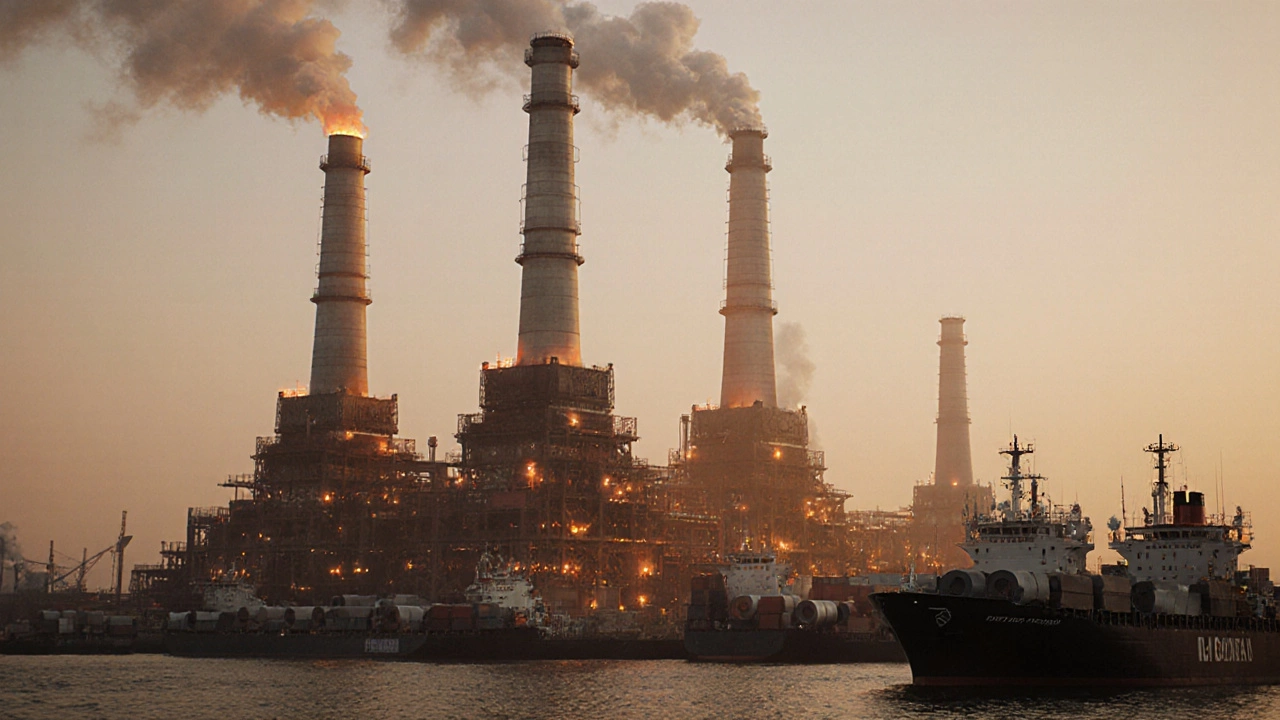
Chinese steel is cheaper than U.S. steel because of lower energy costs, government subsidies, massive scale, and looser environmental rules. Understanding these factors helps buyers choose wisely without sacrificing quality.
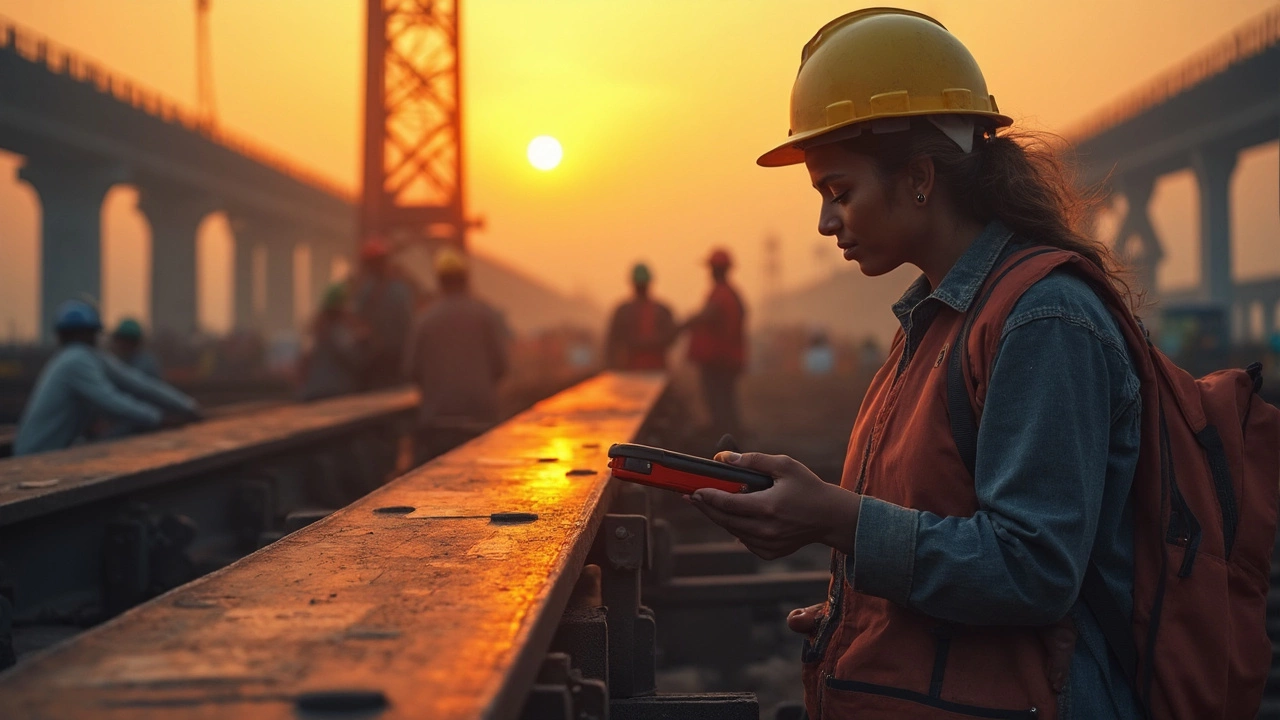
Steel sits at the heart of almost everything, from bridges to home appliances, so knowing if American steel is truly stronger than Chinese steel isn’t just a debate—it's about safety, trust, and cost. This article digs into the reality behind the reputation of both countries’ steel, what actually goes into the strength of steel, and how quality standards affect each batch. You'll find practical tips on how to check steel quality for yourself and get a peek behind the scenes at what matters most in the steel manufacturing process. No jargon, just straight talk you can use.