Chemical Manufacturing in India
When you think of chemical manufacturing in India, a dynamic, export-driven sector that produces everything from pharmaceuticals to fertilizers and industrial solvents. Also known as chemical production India, it’s one of the largest in Asia, with over 8,000 registered units and a market value crossing $200 billion in 2024. This isn’t just about big factories—it’s about small plants in Gujarat making specialty chemicals, mid-sized units in Tamil Nadu supplying dyes, and massive refineries in Maharashtra turning crude into polymers.
What makes chemical manufacturing in India stand out? Indian chemical exports, a $75 billion+ annual trade that reaches over 190 countries. Also known as chemical exports India, it’s driven by cost efficiency, skilled labor, and government push under schemes like PLI for specialty chemicals. Compare that to China’s dominance in bulk chemicals—India is carving its niche in pharma intermediates, agrochemicals, and custom synthesis. Companies like Reliance, Aarti Industries, and UPL aren’t just local players; they’re global suppliers to brands you use every day.
The real growth isn’t in the big cities. It’s in the industrial clusters—Vadodara for dyes, Hyderabad for APIs, Panipat for textiles chemicals, and Dahej for petrochemicals. These aren’t random locations. They’re built on decades of infrastructure, skilled workers trained in chemical engineering, and supply chains that connect directly to ports. And unlike other manufacturing sectors, chemical plants often run 24/7 because processes can’t be easily paused.
What’s missing? Consistent environmental compliance and access to clean energy. Many small units still rely on diesel generators, and pollution controls lag behind global standards. But that’s changing fast. New plants are being built with zero liquid discharge systems, and solar-powered chemical units are starting to appear in Rajasthan and Gujarat. The government isn’t just offering subsidies—it’s demanding cleaner output.
For entrepreneurs, the opportunity lies in niche areas: specialty additives for cosmetics, biodegradable polymers, or recycled solvent recovery. You don’t need a billion-dollar plant to start. Some of the most profitable chemical businesses in India began as small labs with just five employees and a few reactors.
Below, you’ll find real breakdowns of who’s winning in this space, what’s driving costs, where the biggest plants are, and how Indian chemical manufacturing is reshaping global supply chains—from the medicines you take to the detergents you use.
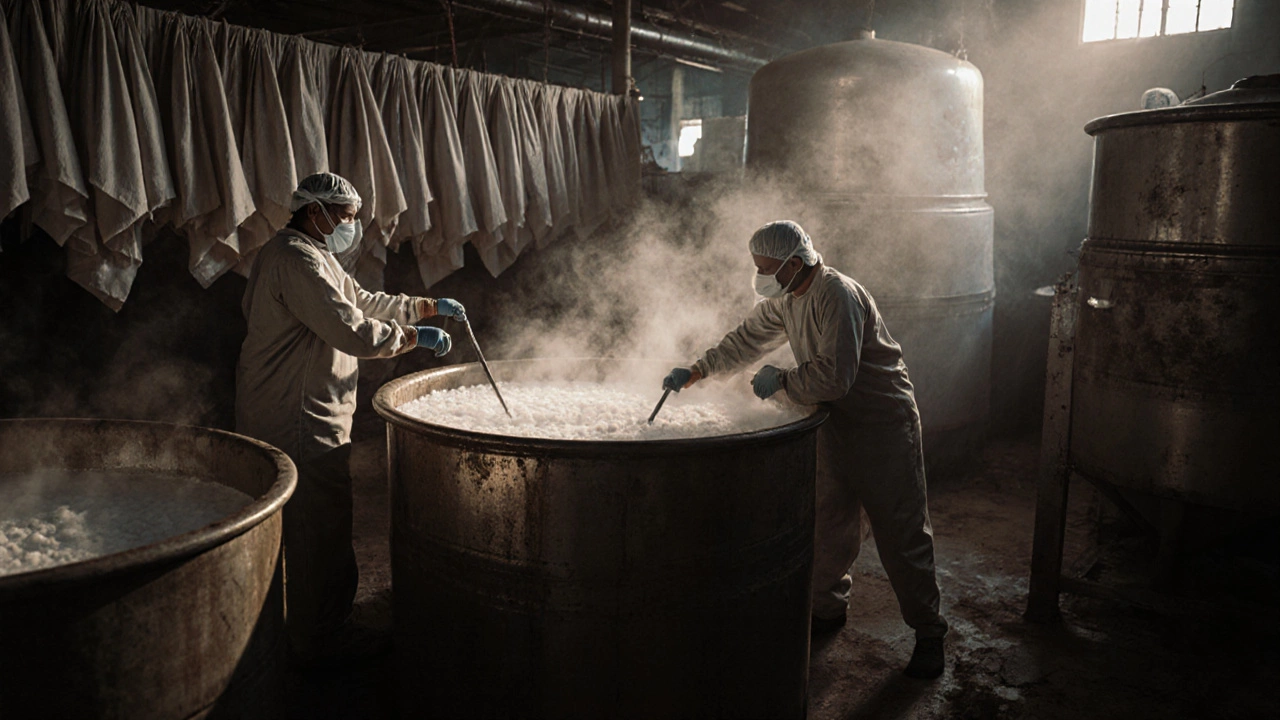
Sodium hydroxide is the most heavily used chemical in India, powering everything from soap and textiles to food processing and fertilizers. Learn why this simple compound drives the nation's manufacturing and daily life.
Which chemical brings in the biggest profits for Indian manufacturers? This article digs into the facts, highlighting the most sought-after chemicals in India’s booming market. Get the numbers, spot the trends, and see what big players are betting on right now. If you’re involved in the chemical industry or just curious about business in India, you’ll find solid information and practical tips. The piece covers fast-changing demand, future opportunities, and what to watch if you want to stay ahead.