Electronics and Technology: CPUs, GPUs, and How Global Manufacturing Shapes What You Use
When you think of electronics and technology, the systems and devices that process information, power communication, and drive modern life. Also known as digital hardware, it includes everything from the chips inside your phone to the factories that build them. At its core, electronics and technology isn’t just about gadgets—it’s about how processing units like CPU, the main brain of a computer that handles general tasks, GPU, a chip designed to render graphics and handle parallel tasks, and NPU, a specialized processor built for AI and machine learning operations work together to make your devices faster, smarter, and more responsive. These aren’t just buzzwords—they’re the reason your phone recognizes your face, your TV streams 4K without lag, and your laptop runs complex apps without freezing.
But here’s the thing: no matter how advanced these chips are, they don’t just appear out of thin air. They’re built in factories—mostly in China, which produces over 70% of the world’s electronics. That’s why a TV bought in the US might not work in India without checking voltage, plug types, and broadcast standards. It’s not a flaw—it’s a result of how global supply chains, regional regulations, and manufacturing scale shape what ends up in your home. Electronics and technology doesn’t stop at the chip. It includes the entire journey: design, sourcing materials, assembly, testing, and distribution. And when you buy a device, you’re not just buying a product—you’re buying into a global system that’s constantly changing.
Some people think technology is all about the latest innovation. But the real value lies in understanding how it fits into your life. Can your US-bought TV run on Indian power? Will a new NPU in your laptop make a difference for everyday tasks? These aren’t theoretical questions—they’re practical ones that affect your wallet and experience. The posts below break down exactly that: how processors work, why China leads the world in production, and what you need to know before importing electronics to India. No fluff. No jargon. Just clear, real-world answers.
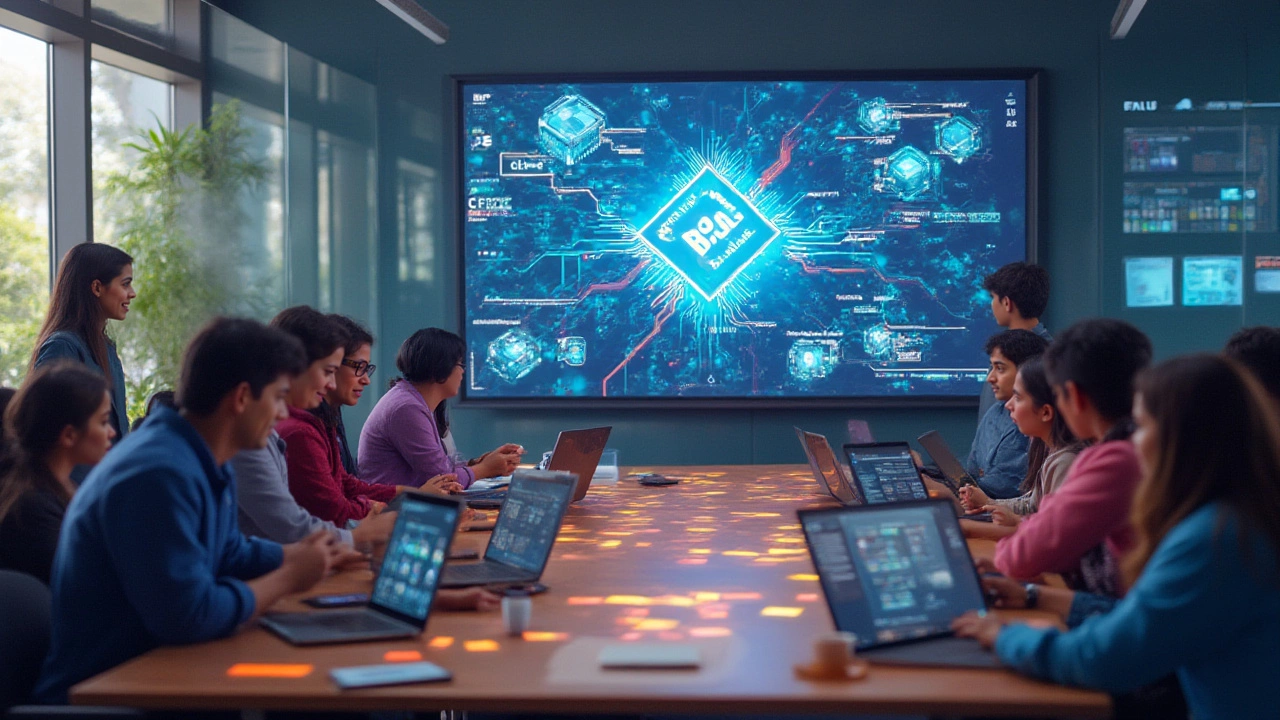
Discover all the main types of processing units like CPUs, GPUs, NPUs, and more. Get real-life examples, facts, and tips explained in simple terms.
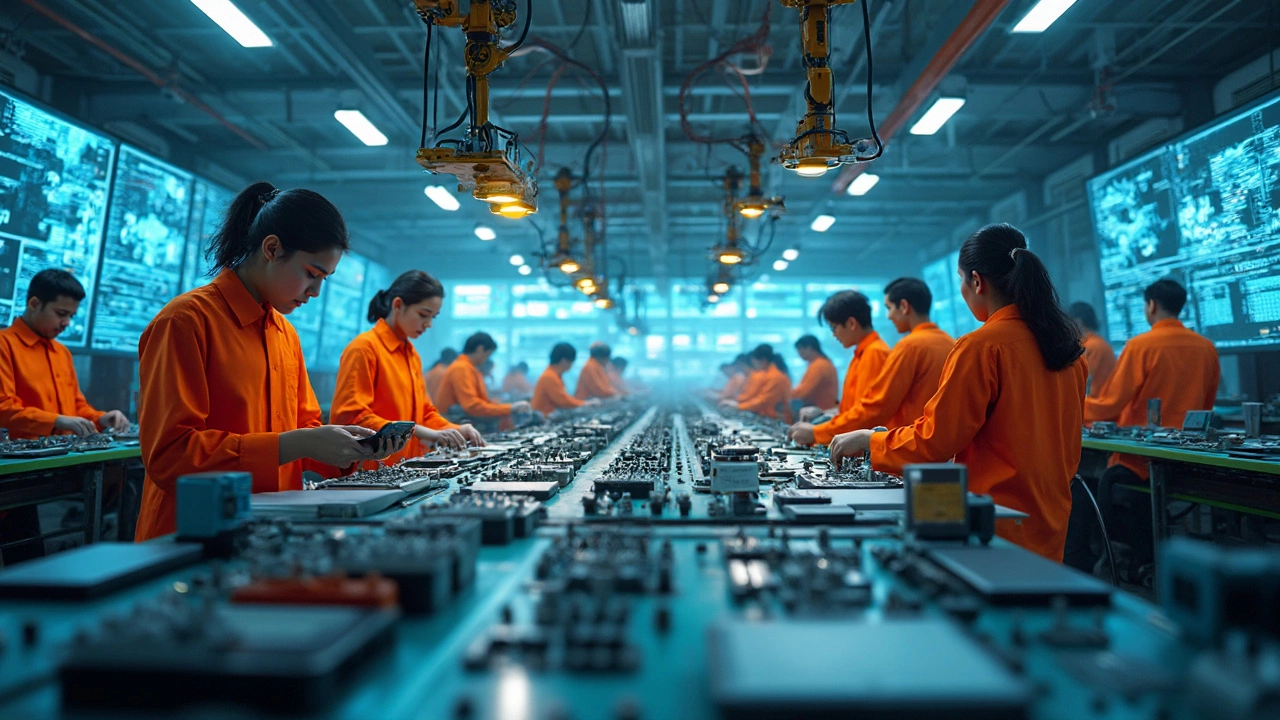
Curious about where your phone or laptop really comes from? Dive into the world of electronics production and see why China stands unrivaled as the largest producer on the planet. This article sheds light on how China achieved its electronics superpower status, what that means for consumers, and unusual facts about the global electronics market.

Exploring whether a TV bought in the US works in India requires understanding differences in electrical voltage, plug types, and broadcasting standards. This guide provides insights into whether American TVs can operate effectively in an Indian setting. Key factors include compatibility with local power systems and broadcast formats. Practical tips for ensuring your television is ready for use when relocating or importing to India are discussed to help avoid unexpected issues.