Auto Loan EMI & Cost Impact Calculator
As highlighted in the article, high interest rates are stifling urban buyers, while EVs remain expensive due to price premiums. Use this tool to see how these factors impact your budget.
Monthly EMI
₹0
Total Interest Paid
₹0
Total Amount Repaid
₹0
Cost Comparison: Petrol vs. EV Scenario
| Metric | Petrol Car (Base) | EV (With Premium) | Difference |
|---|---|---|---|
| Estimated Price | ₹0 | ₹0 | +₹0 |
| Monthly EMI | ₹0 | ₹0 | +₹0 |
| Total Interest | ₹0 | ₹0 | +₹0 |
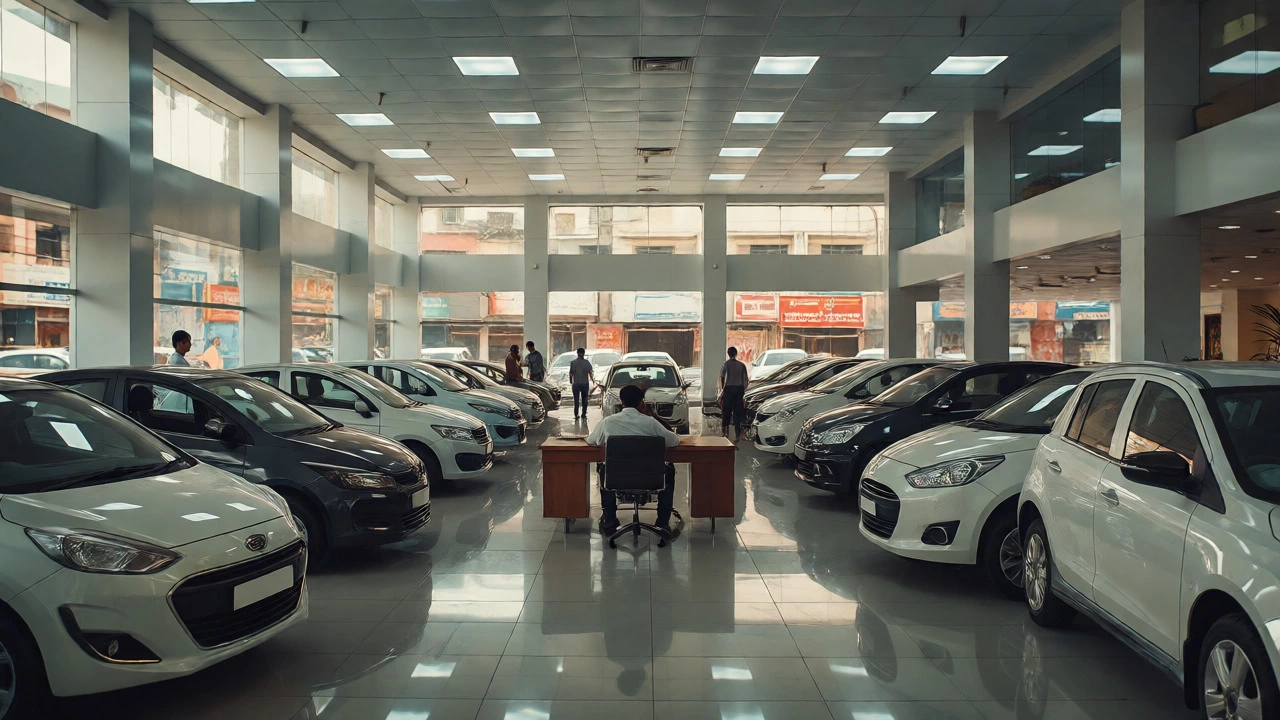
Walk into a Maruti Suzuki showroom in Delhi or a Hyundai dealership in Chennai today, and you’ll notice something different. The air isn’t thick with the excitement of buyers signing papers for new cars. Instead, there’s a quiet tension. For decades, India was the world’s fastest-growing major car market. But in 2025 and early 2026, that engine sputtered. Sales volumes dipped, inventories piled up at dealerships, and manufacturers started cutting shifts. If you’re wondering why this massive engine of growth is stalling, it’s not just one thing breaking-it’s a perfect storm of economic pressure, technological confusion, and structural inefficiencies.
This isn’t about blaming bad luck. It’s about looking at the hard data and real-world scenarios affecting millions of jobs and billions in revenue. From rural distress to the high cost of electric vehicles (EVs), here is what is actually happening on the ground.
The Rural Economy Can’t Afford New Cars
Here is a fact that often gets overlooked: nearly half of all passenger vehicle sales in India come from rural areas and small towns. These aren’t luxury SUVs; they are entry-level hatchbacks and compact sedans like the Maruti WagonR or the Hyundai Grand i10 Nios. When rural incomes shrink, these sales vanish first.
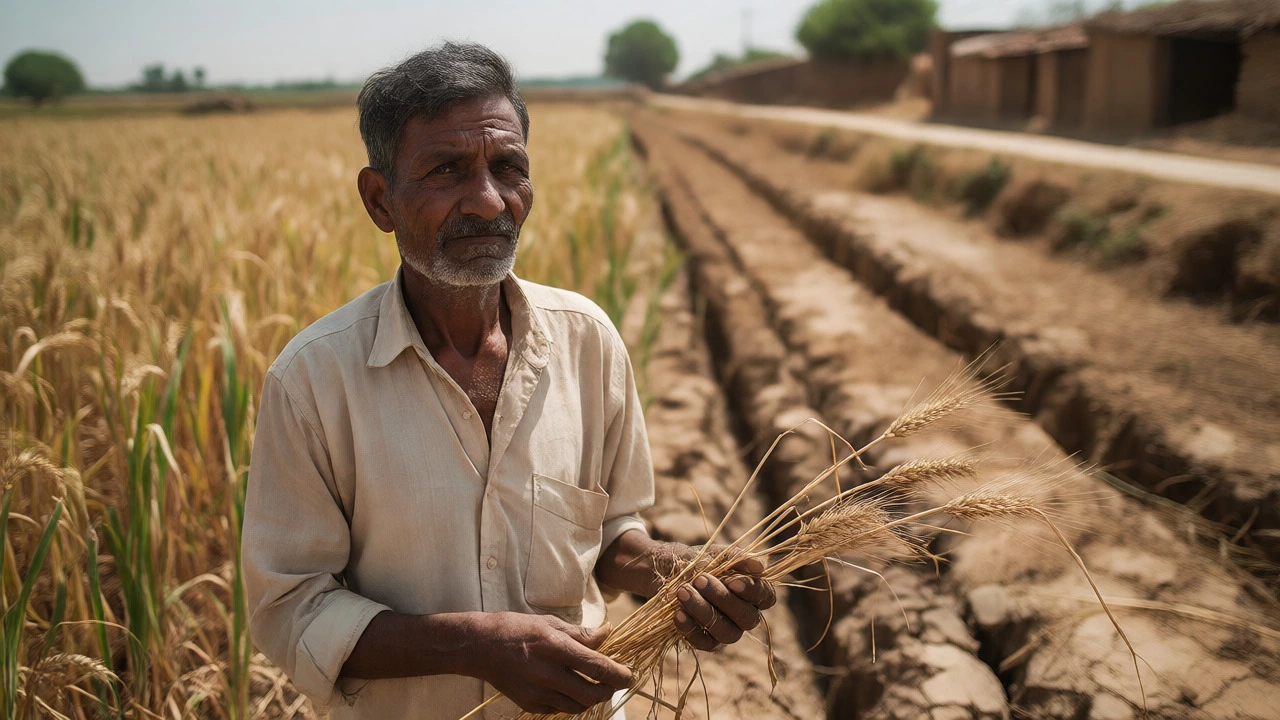
In 2024 and 2025, erratic monsoon patterns hit agricultural yields hard. Farmers didn’t have the cash surplus to upgrade their two-wheelers to four-wheelers. Unlike urban buyers who might stretch their budgets using easy loans, rural buyers pay mostly in cash or through short-term credit tied to harvest cycles. No good harvest means no car purchase. This segment, which once drove double-digit growth, turned flat or negative. Manufacturers who bet big on volume in Tier-3 cities found themselves with unsold stock sitting in yards.
High Interest Rates Stifle Urban Buyers
If rural markets are weak, you’d think urban centers would pick up the slack. They haven’t. Why? Because borrowing money became expensive. The Reserve Bank of India kept interest rates elevated to fight inflation throughout 2024 and into 2025. While inflation eventually cooled, loan rates didn’t drop as quickly.
Consider a middle-class professional in Bangalore looking to buy a ₹12 lakh sedan. A few years ago, a home-equity-backed auto loan might have carried an interest rate of 7%. Today, that same loan costs closer to 9% or 9.5%. Over a five-year tenure, that difference adds tens of thousands of rupees to the total cost. Many potential buyers decided to hold onto their old cars for another year rather than take on higher EMIs. Auto finance companies reported a significant drop in new loan disbursals, confirming that price sensitivity is at an all-time high.
The Electric Vehicle Transition Is Too Expensive
Everyone talks about the Electric Vehicle (EV) revolution, but for the average Indian buyer, it’s still a luxury experiment. The government pushes EV adoption, but the infrastructure and pricing don’t match the promise yet.
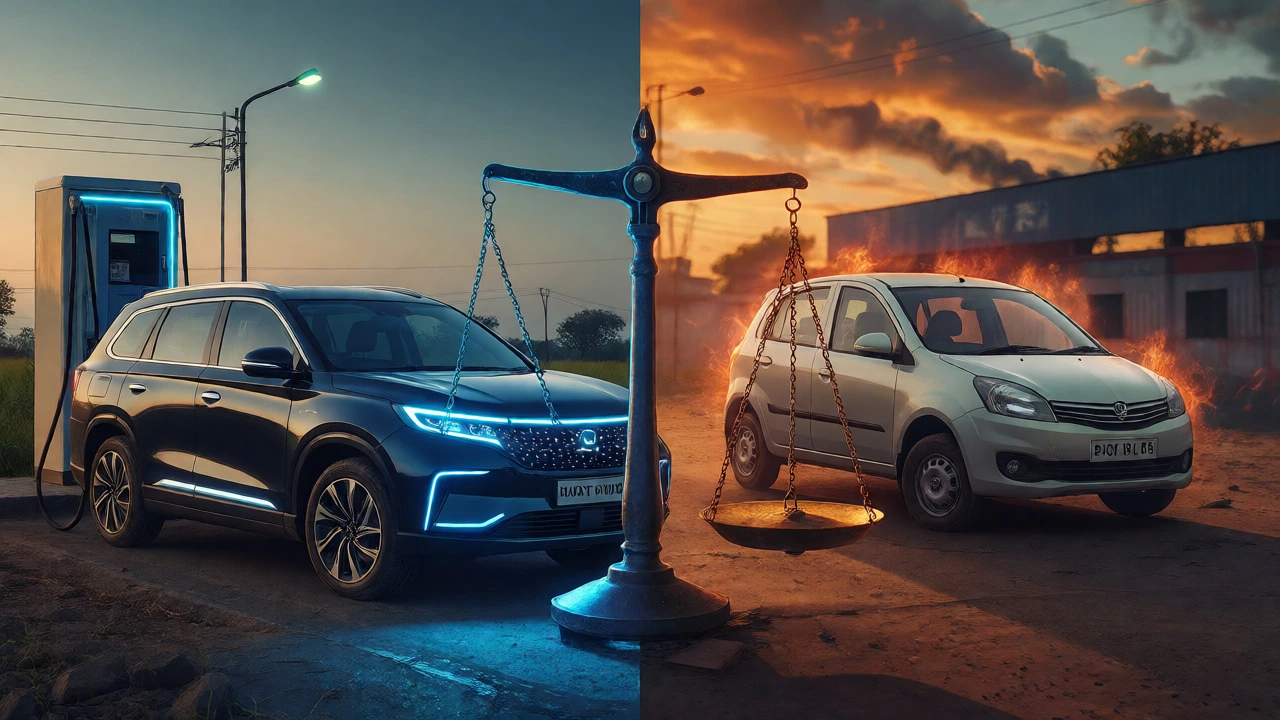
Let’s look at the numbers. An entry-level petrol hatchback costs around ₹6-7 lakhs. Its electric counterpart, even with subsidies, often starts at ₹10-12 lakhs. That’s a 50-80% premium. For a family buying their first car, that gap is impossible to ignore. Furthermore, range anxiety remains real outside metro cities. Charging stations are sparse in highways connecting smaller towns. Until EV prices drop below the ₹8 lakh mark for decent range, mass adoption won’t happen. Automakers are stuck in a dilemma: invest heavily in EV tech now and lose money, or stick to internal combustion engines (ICE) and risk obsolescence later. Most are choosing a cautious hybrid approach, delaying full-scale EV rollouts.
Rising Input Costs Squeeze Margins
Making a car has become more expensive, and manufacturers can’t always pass those costs to consumers because buyers are already stretched thin. Steel, aluminum, and lithium-ion battery components saw volatile pricing globally. In India, local steel prices fluctuated due to global supply chain disruptions and domestic energy costs.
A typical mid-size car uses over 50 kg of copper and significant amounts of aluminum. When commodity prices spike, profit margins evaporate. Companies like Tata Motors and Mahindra & Mahindra reported compressed EBITDA margins in recent quarters. To survive, some brands quietly reduced features-removing chrome trims, simplifying interiors, or switching to lower-grade materials-without lowering the sticker price. Savvy customers noticed. Trust eroded when people realized they were paying more for less quality.
Policy Uncertainty and Regulatory Whiplash
India’s automotive policy landscape changes fast, sometimes too fast for long-term planning. One year, the government offers production-linked incentives (PLI) for advanced chemistry cells. The next, import duties on completely built units (CBUs) shift. This unpredictability makes it hard for foreign OEMs (Original Equipment Manufacturers) to commit to large-scale local manufacturing investments.
For instance, stricter emission norms (BS-VI Stage 2) required costly upgrades to exhaust systems. While necessary for environmental health, these compliance costs added ₹10,000-₹15,000 to every vehicle. In a price-sensitive market, even a ₹5,000 increase can push a buyer out of the market. Additionally, debates over scrapping policies and road tax structures remain unresolved in several states, creating friction for used car markets-which directly impact new car trade-ins.
The Used Car Market Is Eating Into New Sales
With new cars becoming unaffordable for many, the secondary market boomed. Online platforms like Cars24 and Spinny made buying a three-year-old Hyundai Creta easier and safer than ever. A used Creta might cost ₹8 lakhs versus ₹14 lakhs for a new one. For families prioritizing utility over prestige, the value proposition is undeniable.
This shift hurts manufacturers twice. First, they sell fewer new units. Second, residual values of new cars drop faster, making financing harder. Dealerships struggle to manage inventory because customers keep waiting for discounts on older models instead of buying new launches. The cycle slows down, and liquidity dries up.
Supply Chain Bottlenecks Still Haunt Production
You’d think post-pandemic supply chains would be fixed by 2026. Mostly, yes. But specific bottlenecks persist. Semiconductor shortages affected certain model lines longer than others. More critically, logistics costs within India remain high compared to other manufacturing hubs. Poor last-mile connectivity to ports increases lead times for imported components.
Just-in-time manufacturing, which worked well before 2020, is being replaced by just-in-case strategies. Companies hold more inventory to avoid shutdowns, tying up working capital. This inefficiency raises operational costs, which again, pressures pricing.
What Needs to Change?
So, is the decline permanent? Not necessarily. The fundamentals of India’s demographic dividend still exist. Millions enter the workforce yearly, needing mobility. But the current model needs adjustment.
- Affordable EVs: Battery technology must improve, or costs must drop significantly to make EVs competitive with petrol cars at the ₹7-9 lakh price point.
- Rural Income Support: Government schemes focusing on agrarian income stability will directly boost auto sales.
- Interest Rate Relief: As inflation stabilizes, banks need to offer more attractive auto loan products to unlock pent-up demand.
- Stable Policy Framework: Long-term clarity on taxes, emissions, and incentives helps manufacturers plan capex confidently.
| Factor | Impact Type | Severity Level | Primary Affected Segment |
|---|---|---|---|
| Rural Income Distress | Demand Contraction | High | Entry-Level Hatchbacks |
| High Loan Interest Rates | Purchase Delay | Medium-High | Mid-Size Sedans/SUVs |
| EV Price Premium | Adoption Barrier | High | Early Adopters/Metro Users |
| Input Cost Volatility | Margin Compression | Medium | All Segments |
| Used Car Availability | Substitution Effect | Medium | Budget-Conscious Buyers |
Frequently Asked Questions
Is the Indian automobile industry shrinking permanently?
No, it is experiencing a cyclical slowdown rather than a permanent shrinkage. India’s per capita vehicle ownership is still very low compared to China or Western nations. Once rural incomes recover and interest rates stabilize, demand is expected to rebound, though the mix of vehicles sold may shift toward more affordable options and hybrids.
Why are electric vehicles not replacing petrol cars faster in India?
The primary barrier is cost. EVs in India are currently priced 40-80% higher than equivalent petrol vehicles. Additionally, charging infrastructure is concentrated in metros, leaving highway and rural users with range anxiety. Until battery costs drop significantly, EVs will remain a niche choice for affluent urban buyers rather than a mass-market replacement.
How do high interest rates affect car sales?
Most car purchases in India are financed through loans. When interest rates rise, monthly installments (EMIs) increase, making cars less affordable for the middle class. Even if a buyer can afford the down payment, the long-term cost of borrowing discourages immediate purchase, leading them to delay buying until rates drop.
Which car segments are most affected by the slowdown?
Entry-level hatchbacks and compact sedans are hit hardest because their buyers are highly price-sensitive and often rely on rural incomes or tight household budgets. Luxury cars have shown more resilience because wealthy buyers are less affected by minor interest rate fluctuations or inflation.
Can government policies fix the auto industry slump?
Government policies can help, but they cannot single-handedly solve it. Measures like reducing GST on small cars or offering temporary excise duty cuts can stimulate demand. However, structural issues like rural employment generation, stable power tariffs for manufacturing, and consistent long-term regulatory frameworks are essential for sustained recovery.