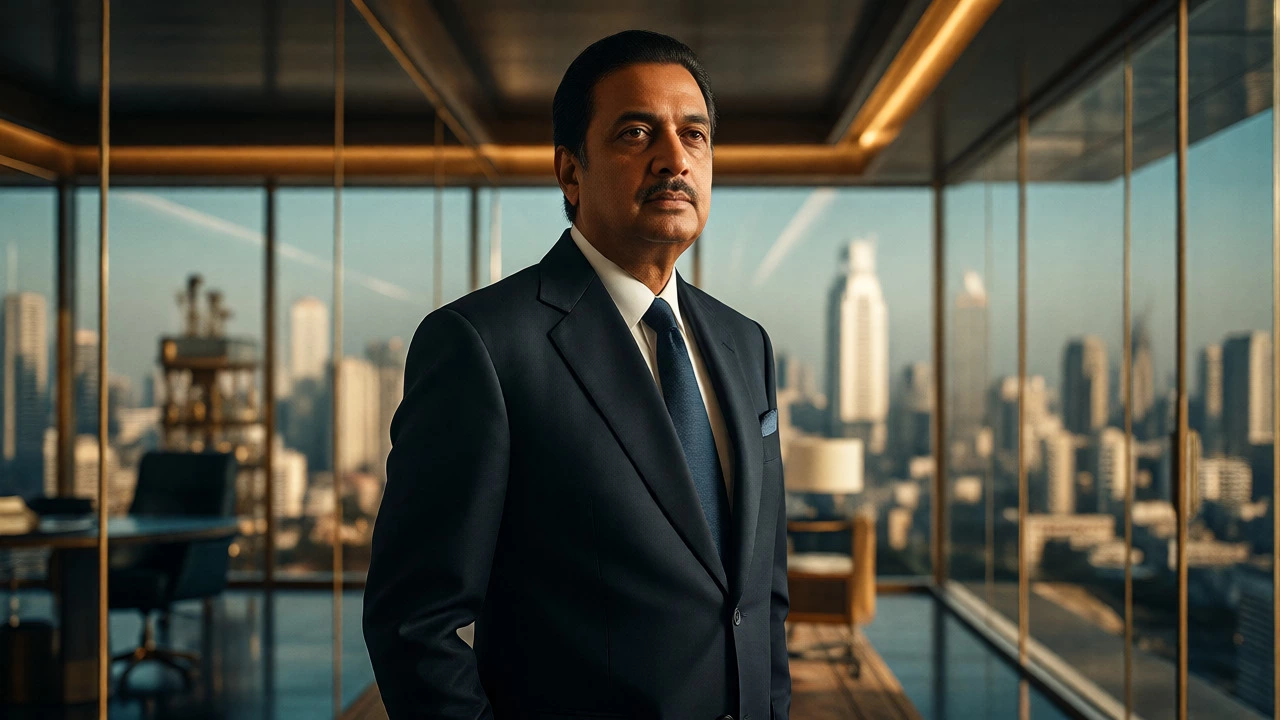
Textile Empire Quiz
Challenge yourself with questions about the "Textile King" of India and the broader textile landscape.
Loading question...
Quiz Complete!
You scored:
0/5
Great job!
You’ve probably heard the term "Textile King of India" thrown around in business news or seen it on a magazine cover. But who actually holds that crown today? It’s not just about who sells the most fabric. It’s about influence, legacy, and market dominance. If you’re looking for a single name, the answer points straight to Kumar Mangalam Birla and his Aditya Birla Group (ABG). However, the story is more nuanced than just one man. The title has shifted hands over decades, from the early industrialists like Jamsetji Tata to the modern conglomerate leaders who control everything from cotton farming to retail fashion.
Why does this matter to you? Whether you’re an investor, a student of business history, or someone curious about how your clothes get made, understanding who leads the Indian textile industry reveals where the money flows and how global supply chains are shifting. Let’s break down why Kumar Mangalam Birla is currently considered the textile king, look at the historical rivals, and see what makes their empires tick.
The Modern Crown: Kumar Mangalam Birla and Aditya Birla Group
If you ask industry insiders who runs the show right now, most will point to Kumar Mangalam Birla. He isn’t just a shareholder; he is the Chairman of the Aditya Birla Group, one of India’s largest multinational conglomerates. His claim to the "Textile King" title rests primarily on two massive pillars: Raymond and Grasim Industries.
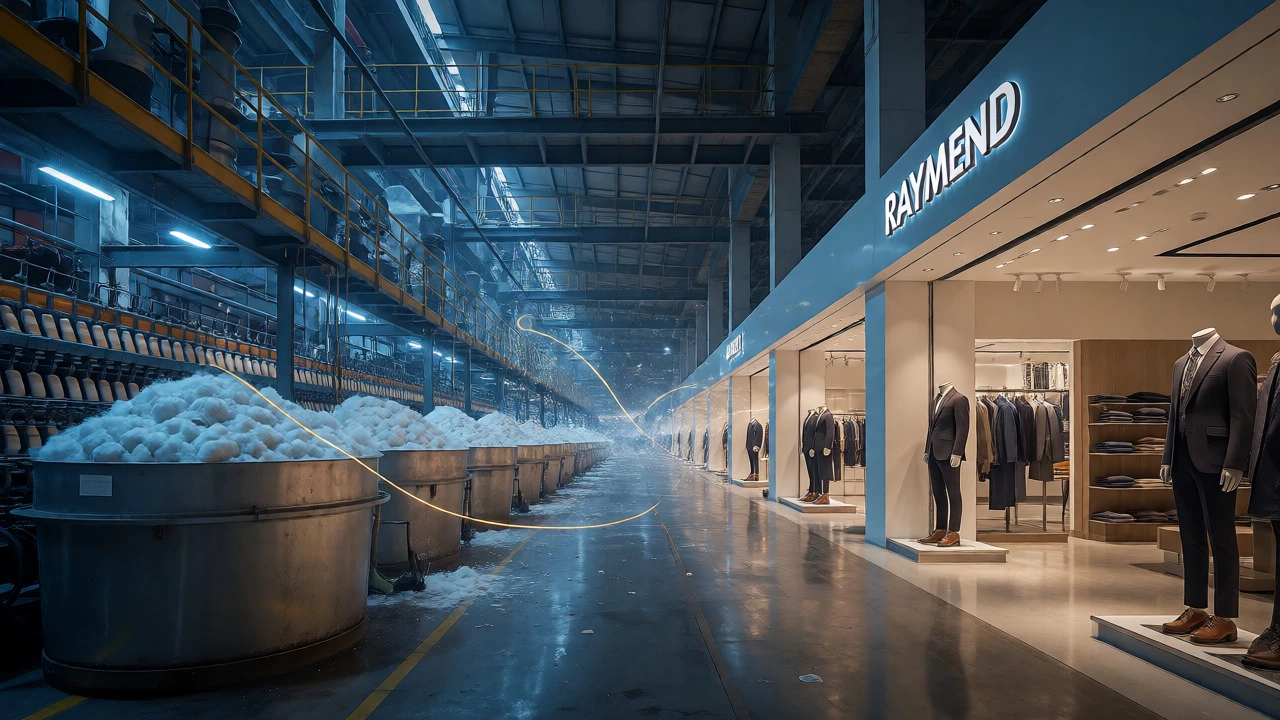
Let’s look at Raymond first. For generations, if you wanted a high-quality suit in India, you bought Raymond. It became synonymous with men’s formal wear. Under ABG’s leadership, Raymond Ltd expanded beyond suits into lifestyle apparel, home furnishings, and real estate. They didn’t just sell fabric; they sold a brand image. This vertical integration-controlling the manufacturing, branding, and retail stores-is exactly what defines a true textile king in the modern era.
Then there is Grasim Industries. While less famous to the average consumer than Raymond, Grasim is a beast in the raw materials sector. It is one of the world’s largest producers of viscose staple fiber (VSF). Viscose is a key material used in everything from denim to soft t-shirts. By controlling the production of this raw material, ABG influences the cost and availability of fabrics across the entire industry. When Grasim changes its pricing strategy, millions of small garment makers feel the pinch. That kind of leverage is what separates a manufacturer from a king.
Historical Contenders: Who Held the Title Before?
To understand the current landscape, you have to look back. The title of "Textile King" wasn’t always associated with the Birla family. In the early 20th century, the spotlight was firmly on Jamsetji Nusserwanji Tata. He founded the Tata Group and established the Bombay Spinning and Weaving Company in 1874. At that time, being a textile magnate meant owning mills in Mumbai and Ahmedabad. Tata’s vision laid the groundwork for modern Indian industry, but his focus eventually shifted heavily toward steel and later, information technology.
Another significant figure often mentioned in this context is Lakshmi Mittal, though he is globally known as the Steel King. Interestingly, Mittal started in textiles before moving to steel. His father owned a small steel plant, but Lakshmi initially worked in the family’s textile trading business. This highlights a common trait among Indian industrialists: diversification. You don’t stay in one lane forever.
More recently, names like Sunil Bharti Mittal (of Bharti Enterprises) and various leaders in the Surat diamond and textile clusters have been discussed. However, none have achieved the same level of consolidated, branded dominance in the textile sector specifically as Kumar Mangalam Birla has through Raymond and Grasim. The "King" title implies a monopoly or near-monopoly influence, which is rare in such a fragmented industry.
Decoding the Empire: Key Entities and Their Roles
So, how does the Aditya Birla Group maintain its status? It’s not magic; it’s structure. The group operates through several distinct entities, each playing a specific role in the textile value chain. Understanding these relationships helps clarify why ABG is so powerful.
| Entity Name | Primary Role | Market Position | Key Products |
|---|---|---|---|
| Raymond Ltd | Branded Apparel & Retail | Leader in Men's Formal Wear | Suits, Shirts, Trousers, Home Furnishings |
| Grasim Industries | Raw Material Production | Global Leader in Viscose Fiber | Viscose Staple Fiber, Cement, Chemicals |
| Birla Cellulose | Fiber Innovation | Pioneer in Eco-friendly Fibers | Livaeco, Recycled Fibers |
| Van Heusen | Lifestyle Brand (via Madras Fertilizers/Madras Apparels) | Major Casual Wear Player | Casual Shirts, Denim, Innerwear |
Notice the strategic split. Grasim handles the upstream part-making the actual fiber. Birla Cellulose focuses on sustainability, launching brands like Livaeco to appeal to eco-conscious consumers. Raymond and Van Heusen handle the downstream part-selling finished goods to people. This end-to-end control allows them to manage costs better than competitors who only do one part of the job.
Why the Title is Elusive: The Fragmented Nature of Indian Textiles
Here is a controversial idea: There might not be a single "Textile King" because the Indian textile industry is incredibly fragmented. Unlike the auto industry, where Maruti Suzuki dominates cars, the textile sector has thousands of small players.
- Powerloom Sector: Cities like Surat and Panipat are hubs for power looms. These are often family-run businesses producing millions of meters of fabric daily. They compete fiercely on price.
- Handloom Sector: Regions like Varanasi (Banarasi silk) and Kanchipuram (silk sarees) rely on artisanal skills. No big corporation can easily replicate the craftsmanship here.
- Knitwear Cluster: Tirupur in Tamil Nadu is the knitwear capital of India. Companies here export billions of dollars worth of T-shirts and sweatshirts globally.
In this environment, a "King" doesn’t rule by force. He rules by setting trends and standards. When Raymond launches a new sustainable fabric line, smaller manufacturers often follow suit because retailers demand it. When Grasim adjusts fiber prices, everyone else’s margins change. That indirect influence is what earns the title.
Challenges Facing the Current Textile King
Being the king isn’t easy. Kumar Mangalam Birla faces headwinds that could dethrone him-or at least dim his crown. First, competition from China remains intense. Chinese manufacturers benefit from massive scale and government subsidies. While India is pushing the "China Plus One" strategy, attracting companies to move some production out of China, the infrastructure gap is still wide.
Second, sustainability is no longer optional. Global brands like H&M and Zara are demanding transparent supply chains. If ABG fails to prove that its cotton is ethically sourced or its water usage is low, they risk losing major contracts. Birla Cellulose’s push into recycled fibers is a direct response to this pressure. They know that future kings will be those who master green manufacturing.
Third, digital disruption. Traditional textile giants relied on physical retail networks. Now, D2C (Direct-to-Consumer) brands like Snitch or Bewakoof are winning young customers with agile online models. Raymond has invested in e-commerce, but adapting a legacy giant to digital speed is tough. Can a traditional empire pivot fast enough to stay relevant?

How to Identify Future Leaders in Indian Textiles
If you want to spot the next potential "Textile King," don’t just look at revenue. Look at innovation and integration. Here are three signs to watch for:
- Vertical Integration: Does the company control the farm, the mill, and the store? Companies that skip steps lose margin. Kings own the whole chain.
- Sustainability Credentials: Check if they use certified organic cotton or recycled polyester. Brands without clear environmental policies will struggle to export to Europe and the US.
- Digital Penetration: How much of their sales come from online channels? A leader in 2030 must be a tech company that happens to sell clothes.
Currently, besides ABG, keep an eye on companies like Arvind Limited. Arvind is a major player in denim and technical fabrics. They supply Levi’s and other global brands. Some analysts argue Arvind is a stronger contender for the "king" title in terms of export volume and technical expertise, even if Raymond has more brand recognition domestically.
Conclusion: The Crown is Shared, But ABG Wears It Best
So, who is the textile king of India? Technically, Kumar Mangalam Birla wears the crown due to the sheer scale and brand power of the Aditya Birla Group. His ownership of Raymond and Grasim gives him unmatched influence over both consumer perception and raw material supply. However, the throne is shaky. The rise of specialized players like Arvind in exports, and the persistent strength of unorganized clusters in Surat and Tirupur, means no single ruler can dominate every segment.
For investors and observers, the lesson is clear: Look beyond the headline name. The real power lies in those who can combine traditional manufacturing prowess with modern sustainability and digital agility. The next textile king won’t just be the biggest factory owner; they’ll be the smartest integrator of the entire value chain.
Who is officially called the Textile King of India?
Kumar Mangalam Birla, chairman of the Aditya Birla Group, is widely regarded as the current Textile King of India due to his ownership of major brands like Raymond and Grasim Industries.
Is Raymond owned by the Aditya Birla Group?
Yes, Raymond Ltd is a flagship company of the Aditya Birla Group. It is one of the most recognized men's apparel brands in India.
Who was the first textile industrialist in India?
Jamsetji Nusserwanji Tata is often credited as the pioneer of the modern Indian textile industry, founding the Bombay Spinning and Weaving Company in 1874.
What is Grasim Industries known for?
Grasim Industries is a subsidiary of the Aditya Birla Group and is one of the world's largest producers of viscose staple fiber, a key raw material for textiles.
Are there other major textile companies in India?
Yes, other major players include Arvind Limited (known for denim and exports), Welspun Living (home textiles), and Trident Ltd (terry towels).
Why is the Indian textile industry fragmented?
The industry includes vast unorganized sectors like power looms and handlooms, alongside organized corporate giants, making it difficult for any single entity to hold a monopoly.