Global Textile Sourcing Advisor
Find Your Ideal Sourcing Partner
Answer these questions to get a personalized recommendation
Your Recommended Sourcing Strategy
Why This Matters
Walk into any clothing store, and you’ll likely find a tag that says "Made in Bangladesh," "Made in Vietnam," or perhaps "Made in India." But who actually moves the most fabric across borders? Who supplies the raw materials and finished garments that keep the global fashion engine running? The short answer is complex because the title of largest supplier of textiles shifts depending on whether you count raw cotton, yarn, woven fabrics, or finished apparel.
Historically, China held this crown for decades. However, as we look at the landscape in 2026, the narrative has shifted significantly. While China remains a manufacturing titan, India is emerging as the dominant force in raw material supply and sustainable textile manufacturing. This isn't just about volume; it's about value, sustainability, and supply chain resilience.
The Shift from Volume to Value: Why India Leads Now
To understand why the spotlight is on Indian textile industry, we need to look at what "supply" actually means. If you measure by total export value of all goods, China still punches above its weight. But if you look specifically at the textile and apparel sector-especially raw materials like cotton and man-made fibers (MMF)-India has taken the lead.
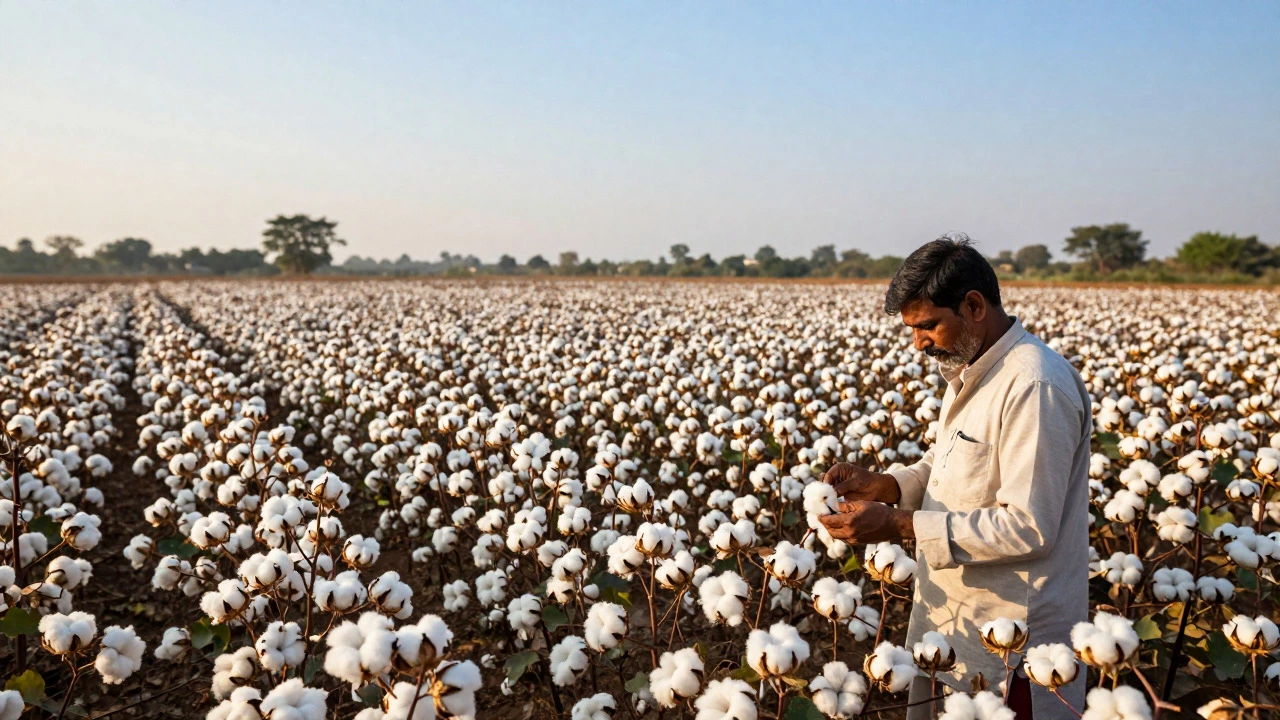
India is the world’s largest producer of cotton. In the 2025-2026 season, Indian farmers produced over 35 million bales. This gives India a massive upstream advantage. When global brands want to secure their supply chain against geopolitical shocks or trade wars, they look to India. It’s not just about having the factories; it’s about controlling the source. You can’t make clothes without fiber, and India holds the keys to the largest natural fiber reservoir on the planet.
Furthermore, the rise of sustainable textiles has played directly into India’s hands. Global consumers are demanding transparency. They want to know where their organic cotton comes from. India leads the world in certified organic cotton production. Brands like H&M, Zara, and Levi’s have heavily invested in Indian sourcing hubs to meet these ESG (Environmental, Social, and Governance) targets. This isn't a trend; it's a structural shift in how procurement works.
China’s Role: The Finished Goods Giant
Does this mean China is irrelevant? Not even close. Chinese textile manufacturing remains the backbone of fast fashion. China’s infrastructure is unmatched. Their ports, logistics networks, and speed-to-market capabilities allow them to produce and ship millions of units in weeks, not months.
However, China faces headwinds. Rising labor costs, stricter environmental regulations, and trade tariffs have pushed many multinational brands to adopt a "China Plus One" strategy. They keep high-volume, low-complexity orders in China but move higher-value, sustainable, or complex weaving projects to India, Vietnam, and Bangladesh. So, while China supplies the most *finished* fast-fashion items, India supplies the most *raw materials* and increasingly, the mid-to-high-end finished goods.
The Rise of Southeast Asia and South Asia
You can’t talk about global textile supply without mentioning the other heavyweights. Bangladesh is the second-largest exporter of ready-made garments (RMG) after China. Their focus is narrow but deep: knitwear and basic apparel. If you buy a plain white t-shirt or a pair of jeans, there’s a high chance it was stitched in Dhaka.
Vietnam has also surged in importance. Known for better quality control and fewer trade barriers with the US and EU compared to China, Vietnam is the go-to for athletic wear and technical fabrics. Nike and Adidas have significant production footprints there. These countries complement rather than compete directly with India’s strength in raw materials and diverse fabric types.
| Country | Primary Strength | Key Export Products | Sustainability Focus |
|---|---|---|---|
| India | Raw Materials & Diverse Fabrics | Cotton, Yarn, Home Textiles, Organic Apparel | High (Organic Cotton Leader) |
| China | Speed & Scale | Fast Fashion, Synthetic Blends, Technical Textiles | Moderate (Improving) |
| Bangladesh | Cost Efficiency | Knitwear, Denim, Basic Garments | Low to Moderate |
| Vietnam | Quality & Trade Access | Athletic Wear, Footwear Components | Moderate |
Why Supply Chain Resilience Matters More Than Price
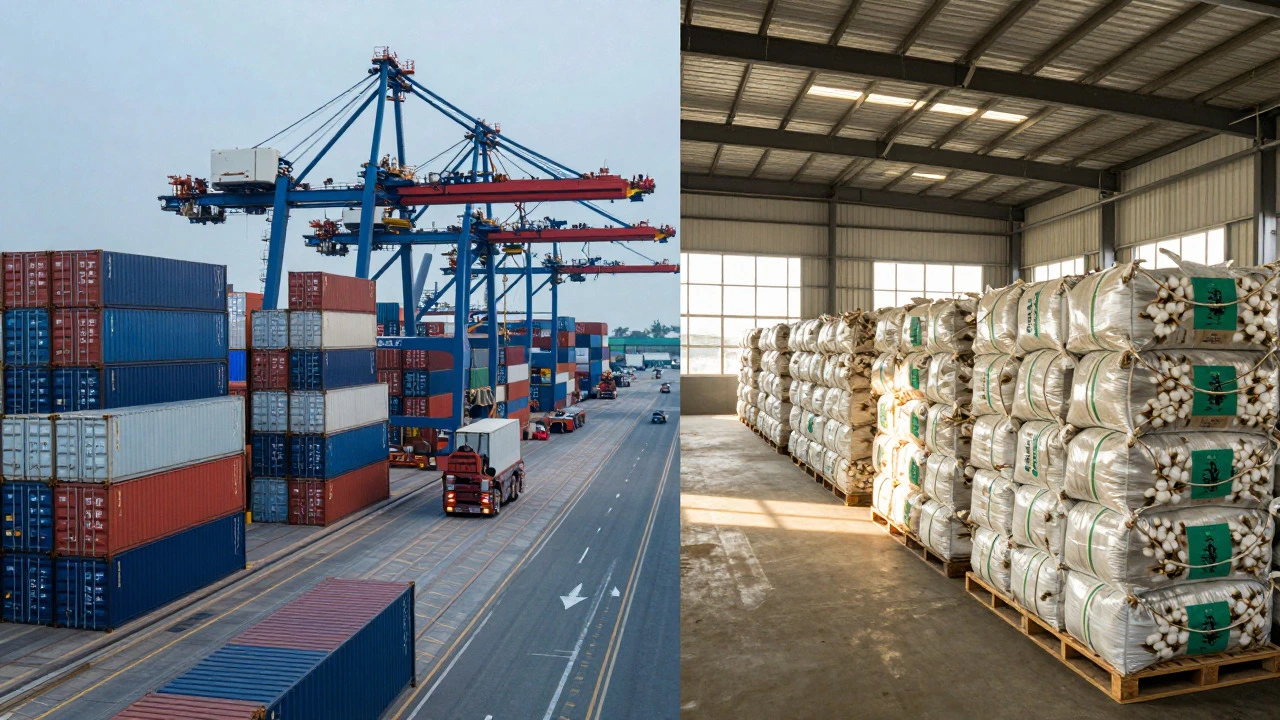
In the past, buyers only cared about the lowest cost per unit. Today, they care about reliability. The pandemic taught the world that just-in-time manufacturing is risky when borders close. This has led to a resurgence of near-shoring and friend-shoring. For Western brands, India is a strategic partner. Political stability, a democratic framework, and English-speaking workforce make communication easier and risk lower.
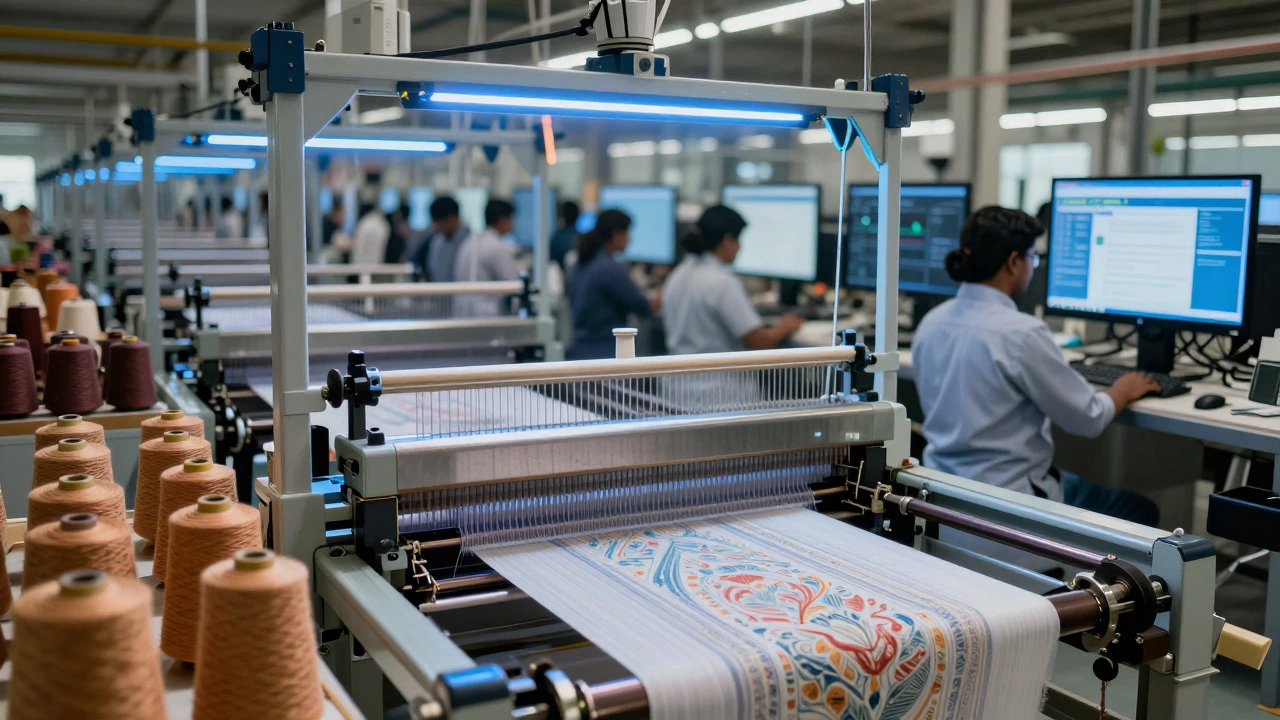
Additionally, digital transformation in textile technology has leveled the playing field. Indian mills are adopting AI-driven looms and automated cutting tables. This reduces waste and increases precision. A mill in Surat or Tirupur can now match the efficiency of a factory in Guangdong, but with lower carbon emissions due to newer, cleaner energy policies.
The Future: Man-Made Fibers and Innovation
The next battleground isn't cotton; it's synthetic fibers. Polyester, nylon, and recycled PET are growing faster than natural fibers. China currently dominates the production of man-made fibers (MMF). However, India is investing billions in MMF infrastructure through government schemes like the Production Linked Incentive (PLI) scheme for textiles. By 2028, India aims to reduce its dependency on imported polyester yarn. If successful, this will solidify its position as the undisputed number one supplier across both natural and synthetic categories.
For businesses looking to source, the advice is clear: don't put all your eggs in one basket. Use China for speed and scale on basics, India for sustainability and raw material security, and Vietnam/Bangladesh for cost-effective garment assembly. This diversified approach is the new standard for resilient textile supply chains.
Is India really the largest textile exporter now?
It depends on the metric. India is the largest exporter of cotton and yarn. In terms of total finished apparel value, China still competes closely, but India has surpassed China in specific segments like home textiles and organic apparel. Overall, India is considered the leading supplier of raw textile materials globally.
What are the main advantages of sourcing from India?
Key advantages include access to premium cotton, strong sustainability credentials (organic certification), political stability, and a diverse range of products from luxury silks to industrial fabrics. India also offers better transparency for ESG compliance.
How does China compare to India in textile manufacturing?
China excels in speed, infrastructure, and synthetic fiber production. It is ideal for fast fashion and high-volume orders. India is better for natural fibers, sustainable practices, and long-term supply chain security. Many brands use both to balance cost and risk.
Which country is best for sustainable textile sourcing?
India is currently the leader in sustainable textile sourcing, particularly for organic cotton. It has the highest number of GOTS-certified factories and farms. Vietnam and Portugal are also emerging as strong contenders for eco-friendly synthetic blends.
Will Bangladesh replace China as the top supplier?
Unlikely in the short term. Bangladesh is specialized in low-cost knitwear and lacks the diverse infrastructure of China or India. It is a crucial part of the supply chain for basics but doesn't have the capacity to handle the full spectrum of textile needs like high-tech fabrics or luxury goods.