Manufacturing Startup Opportunity Evaluator
Select a manufacturing niche from the article below to instantly analyze its potential based on capital investment, barrier to entry, and current market demand.
Step 1: Select a Manufacturing Niche
Analysis Results
Strategic Insight:
Select a niche to see strategic advice.
Walk into any factory floor today and you’ll notice a shift. The era of mass-producing generic goods is fading. Buyers want speed, customization, and sustainability. If you are looking to start a manufacturing business in 2026, the question isn’t just “what can I make?” It’s “what does the market desperately need right now?” The most in-demand items aren’t always the biggest or the most complex. Often, they are the ones that solve immediate problems in supply chains, healthcare, or daily convenience.
The global manufacturing landscape is being reshaped by three forces: the push for green energy, the aging population requiring better care products, and the digitalization of everyday objects. As an entrepreneur, your goal is to find the intersection of these trends with low barrier-to-entry production methods. You don’t need a billion-dollar plant to succeed. You need a sharp focus on a niche with high velocity sales.
The Rise of Sustainable Packaging
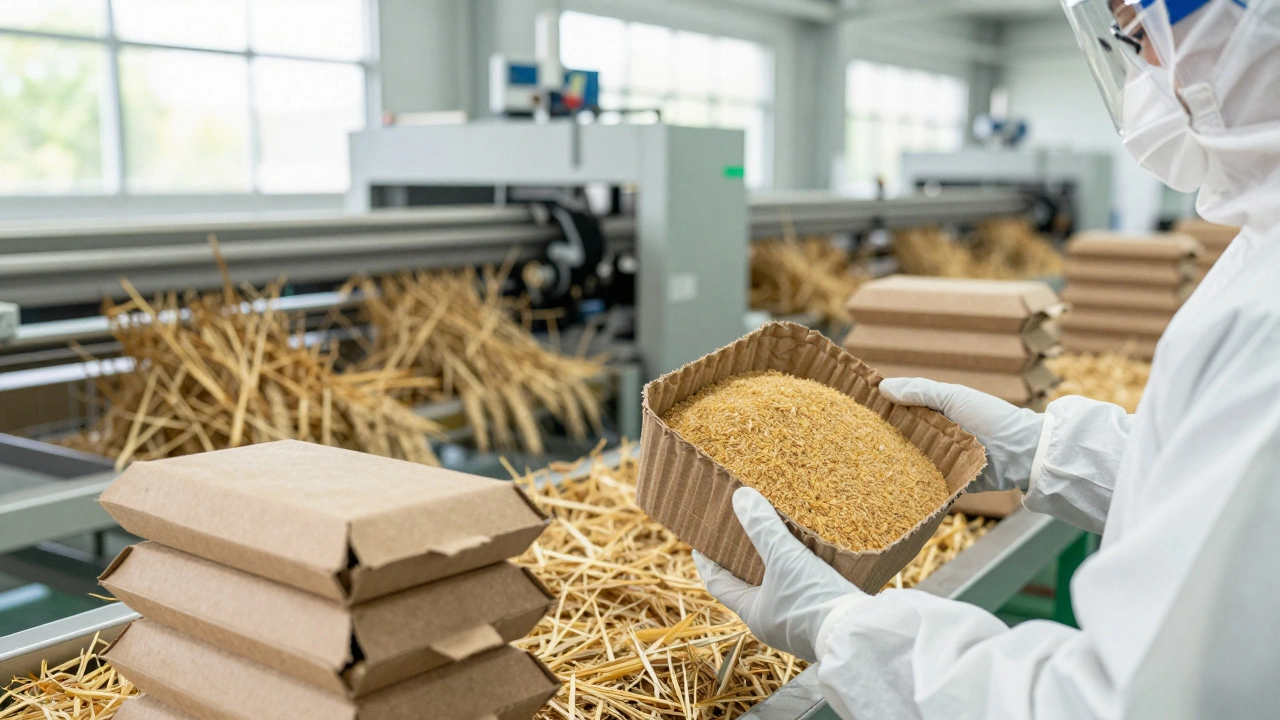
Plastic is under siege. Governments worldwide are tightening regulations on single-use plastics, and consumers are actively avoiding them. This creates a massive vacuum in the packaging sector. Bio-degradable packaging is packaging materials derived from renewable resources that decompose naturally without harming the environment. This is arguably the most consistent demand driver in light manufacturing today.
You don’t need to invent a new material. You can start by processing existing sustainable raw materials. Think about molded pulp containers for food delivery, cornstarch-based mailers for e-commerce, or edible cutlery made from wheat straw. The key here is replacing the cheap, polluting option with a viable alternative that doesn’t break the bank for retailers.
- Molded Pulp: Used for egg cartons and protective inserts. Low tech, high volume.
- Bioplastics: Made from PLA (polylactic acid) derived from corn or sugarcane.
- Recycled Paper Products: Custom-branded boxes and wrapping paper for local businesses.
The advantage is clear. Companies are desperate to meet ESG (Environmental, Social, and Governance) goals. They will pay a premium for suppliers who help them achieve this. If you position your startup as a partner in their sustainability journey, you secure long-term contracts rather than one-off sales.
Personal Care and Wellness Essentials
The pandemic changed how we view health. People are more conscious than ever about what they put on their skin and inside their bodies. This has led to an explosion in the private-label personal care market. Private label cosmetics is a business model where a manufacturer produces products that are branded and sold by another company. You produce; someone else markets.
This model is perfect for startups because it reduces the risk associated with brand building. You can partner with influencers, gyms, spas, or online retailers who want their own line of shampoos, lotions, or serums but lack the infrastructure to make them. The demand is driven by the desire for clean ingredients-paraben-free, sulfate-free, and organic.
Consider focusing on specific niches within personal care. Men’s grooming is growing rapidly, as is anti-aging skincare for younger demographics. Another hot area is hair care for specific textures, such as curly or coily hair, which often requires specialized formulations. By narrowing your focus, you become the go-to expert for that segment.
| Niche | Barrier to Entry | Demand Level | Key Challenge |
|---|---|---|---|
| Skincare Serums | Medium | High | Regulatory compliance |
| Hair Care | Low | Very High | Brand competition |
| Men’s Grooming | Low | Growing | Marketing reach |
Smart Home Components
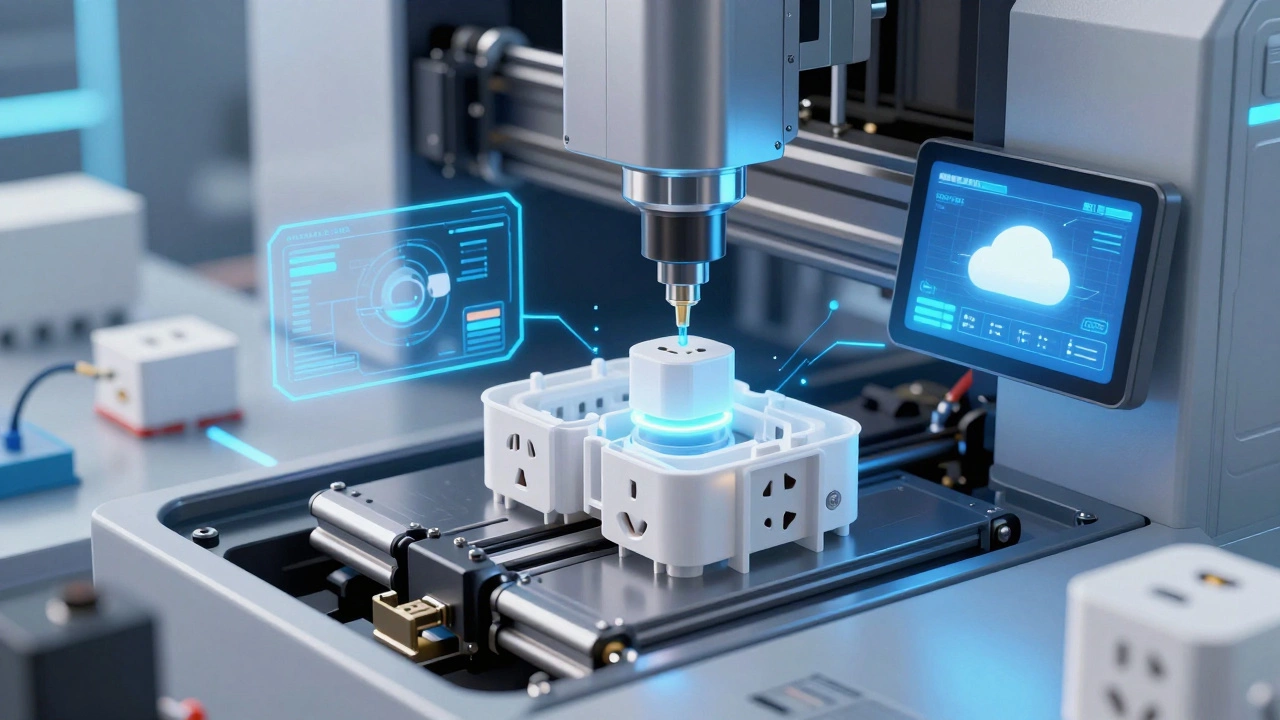
We are living in the age of IoT (Internet of Things). Your fridge talks to your phone; your lights adjust to your mood. But behind every smart device is a physical component that needs to be manufactured. IoT hardware components are physical parts like sensors, casings, and connectors that enable devices to connect to the internet. While you might not be designing the microchip, you can manufacture the housing, the sensor mounts, or the wiring harnesses.
The smart home market is expanding beyond luxury homes into affordable housing units. This means the demand is shifting from high-end, custom pieces to standardized, cost-effective components. Injection molding is a great technique here. Once you create the mold, you can produce thousands of identical plastic casings for smart plugs, motion sensors, or camera housings at a very low marginal cost.
Another angle is retrofitting kits. Older homes don’t get demolished overnight. Manufacturers who create easy-install smart switches, doorbells, and thermostats are seeing huge demand. These products require precise assembly and quality control, but the technology is accessible. Partnering with electronics distributors can give you immediate access to a wide customer base.
Healthcare and Medical Supplies
Never underestimate the stability of the healthcare sector. An aging global population means more people need medical assistance, whether it’s for mobility, hygiene, or chronic condition management. Medical consumables are single-use medical supplies like gloves, masks, and syringes that are essential for daily healthcare operations. These items are non-negotiable for hospitals and clinics.
While large pharmaceutical companies dominate drug manufacturing, there is plenty of room for smaller players in medical devices and supplies. Think about ergonomic supports, orthopedic braces, or even simple items like hospital gowns made from breathable, antimicrobial fabrics. The key is reliability. Healthcare providers need suppliers who can deliver consistently and meet strict safety standards.
Telemedicine is also driving demand for at-home diagnostic tools. Simple, disposable test strips for blood glucose, pregnancy, or water quality are in constant demand. These are small-scale manufacturing opportunities that can be started with relatively modest investment in automated filling and sealing machines.

Furniture and Interior Decor
Remote work is here to stay, even if hybrid models are common. People are investing more in their home offices. This has created a sustained demand for functional, stylish furniture. Flat-pack furniture is furniture designed to be shipped in a flat box and assembled by the consumer, reducing shipping costs and storage space. This model is ideal for startups because it minimizes logistics costs.
You don’t need to build grand dining tables. Focus on niche items: standing desk converters, monitor arms, cable management solutions, or ergonomic chair accessories. These items have high perceived value and low material costs. Using sustainable wood sources or recycled metals can add a premium appeal.
Another trend is modular furniture. Urban dwellers live in smaller spaces. Furniture that can transform-a sofa bed, a table that expands, shelves that stack-is highly sought after. Designing for functionality and space-saving features allows you to charge higher prices for clever engineering rather than just raw materials.
How to Validate Your Idea Before Investing
Before you buy machinery, you must validate demand. Don’t guess; look at the data. Use tools like Google Trends to see if interest in your product category is rising or falling. Check Amazon Best Sellers in your target category to see what price points are successful. Talk to potential buyers. Ask retailers what they struggle to source.
Start small. Produce a minimum viable product (MVP) batch. Test it in local markets or through pre-orders. This approach reduces financial risk and gives you real-world feedback. If people buy it, you have proof of concept. If they don’t, you can pivot before sinking millions into full-scale production.
Also, consider the supply chain. Can you reliably source raw materials? Are there geopolitical risks affecting your inputs? A product might be in demand, but if you can’t get the materials to make it, you won’t survive. Diversify your suppliers early on.
What is the easiest manufacturing business to start?
Candle making, soap making, and small-batch food processing are often cited as the easiest entry points. They require minimal equipment, have low regulatory hurdles compared to electronics or pharmaceuticals, and allow for quick iteration based on customer feedback.
Is plastic manufacturing still profitable in 2026?
Traditional virgin plastic manufacturing faces declining profitability due to environmental regulations and consumer backlash. However, recycling and upcycling plastic waste into new products remains highly profitable. The future lies in circular economy models where waste becomes a resource.
How much capital do I need to start a small manufacturing unit?
It varies widely. A home-based candle or soap business can start with under $5,000. A small injection molding facility might require $50,000 to $100,000. Always budget for working capital to cover raw materials and payroll for at least six months before expecting consistent revenue.
What are the biggest risks in manufacturing startups?
Supply chain disruptions, cash flow management, and quality control issues are top risks. Relying on a single supplier for critical components can halt production. Poor quality leads to returns and reputational damage. Mitigate these by diversifying suppliers and implementing strict QA protocols from day one.
Can I manufacture products from home?
Yes, many manufacturing businesses start at home. Crafts, food items, and small electronics assembly are common examples. Check local zoning laws and health department regulations. As you grow, you may need to move to a commercial space to accommodate larger equipment and increased inventory.