Single-Use Plastic Ban Checker
Select a country or region to view its current single-use plastic ban status, key prohibited items, and impact on manufacturers.
Ban Status
Enforcement Date
Key Items Banned
Select a country from the list to view detailed ban information.
It’s a question that pops up in boardrooms and coffee shops alike: which country recently banned all single-use plastics? The short answer? No single nation has implemented a total, absolute ban on every form of single-use plastic across its entire territory as of late 2026. But that doesn’t mean the trend isn’t sweeping the globe. If you’re looking for the strictest enforcement or the most comprehensive recent legislation, countries like Canada, New Zealand, and several EU nations have moved aggressively. Understanding who did what-and when-is crucial if you work in plastic manufacturing, supply chain management, or sustainability.
Why does this matter to you? Because regulations drive markets. When a major economy flips a switch on plastic waste, manufacturers scramble to adapt. You might be wondering if your product is still legal to sell abroad, or if it’s time to pivot to biodegradable materials. This guide breaks down the current landscape, highlights the key players in the ban movement, and explains what these shifts mean for businesses trying to stay ahead of the curve.
The Reality of "Total" Bans
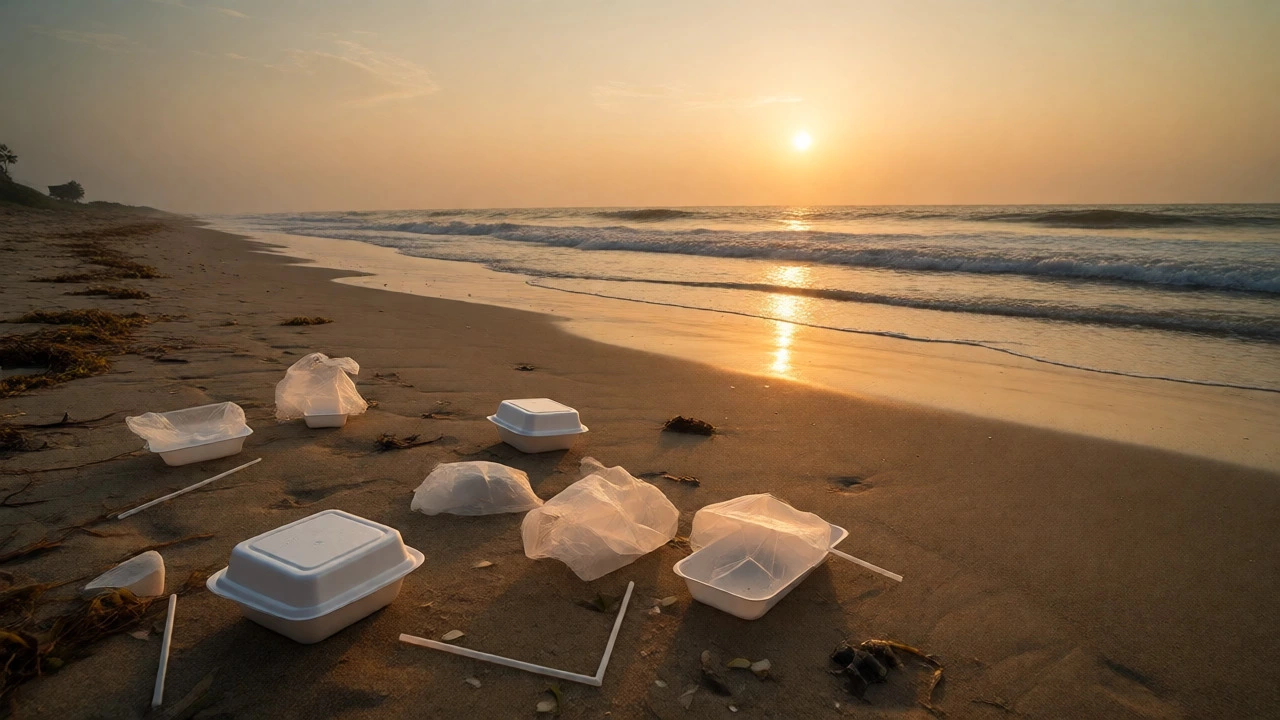
First, let’s clear up a common misconception. When headlines scream “Country X bans plastic,” they rarely mean every single plastic item from straws to industrial packaging is gone overnight. Most laws target specific categories: bags, cutlery, plates, stirrers, and polystyrene containers. These are the items that litter beaches and clog waterways the fastest.
For instance, Canada implemented a federal ban on harmful single-use plastics starting in December 2022, with full enforcement rolling out through 2023 and 2024. By November 2026, this ban is fully active. It prohibits checkout bags, cutlery, foodservice ware made from hard-to-recycle plastics, ring carriers, stir sticks, and straws. Similarly, New Zealand phased out many of these items between 2018 and 2024, completing their transition by banning problematic plastic packaging types.
So, when someone asks which country recently banned all single-use plastics, they are often referring to these comprehensive phases. The European Union’s directive, enforced since 2021, remains one of the most impactful regional policies. It affects member states like France, Germany, and Italy, creating a unified front against the top ten plastic items found on European beaches.
Key Countries Leading the Charge
Several nations stand out for their aggressive timelines and strict enforcement. Here is a look at the leaders in this space, focusing on actions taken or solidified by 2026.
| Country/Region | Ban Status | Key Items Banned | Impact on Manufacturers |
|---|---|---|---|
| Canada | Fully Enforced | Bags, cutlery, straws, polystyrene, ring carriers | High demand for paper and compostable alternatives |
| European Union | Fully Enforced | Top 10 beach litter items including cotton buds and plates | Shift toward reusable systems and advanced recycling |
| New Zealand | Fully Enforced | Hard-to-recycle packaging, produce labels, plastic bags | Innovation in bio-based materials |
| India | Partial/State-Level | Thin carry bags (<50 microns), certain cutlery | Mixed compliance; opportunity for compliant producers |
| Kenya | Fully Enforced (Strict) | Plastic carrier bags | Heavy fines; strong market for cloth and jute |
Notice the pattern? Wealthier nations with established waste management infrastructure tend to implement broader bans because they can afford the transition costs. Developing nations often start with the easiest targets-like thin plastic bags-because they are visible pollutants and easier to replace with traditional materials like cloth or jute.
What Exactly Is Being Banned?
To understand the business impact, you need to know what falls under the "single-use" umbrella. Regulations typically focus on items that are:
- Difficult to recycle: Small items like bottle caps or flexible films often get rejected by sorting machines.
- Litter-prone: Straws and stirrers fly away easily and end up in oceans.
- Short-lived: Used for minutes but persist in the environment for centuries.
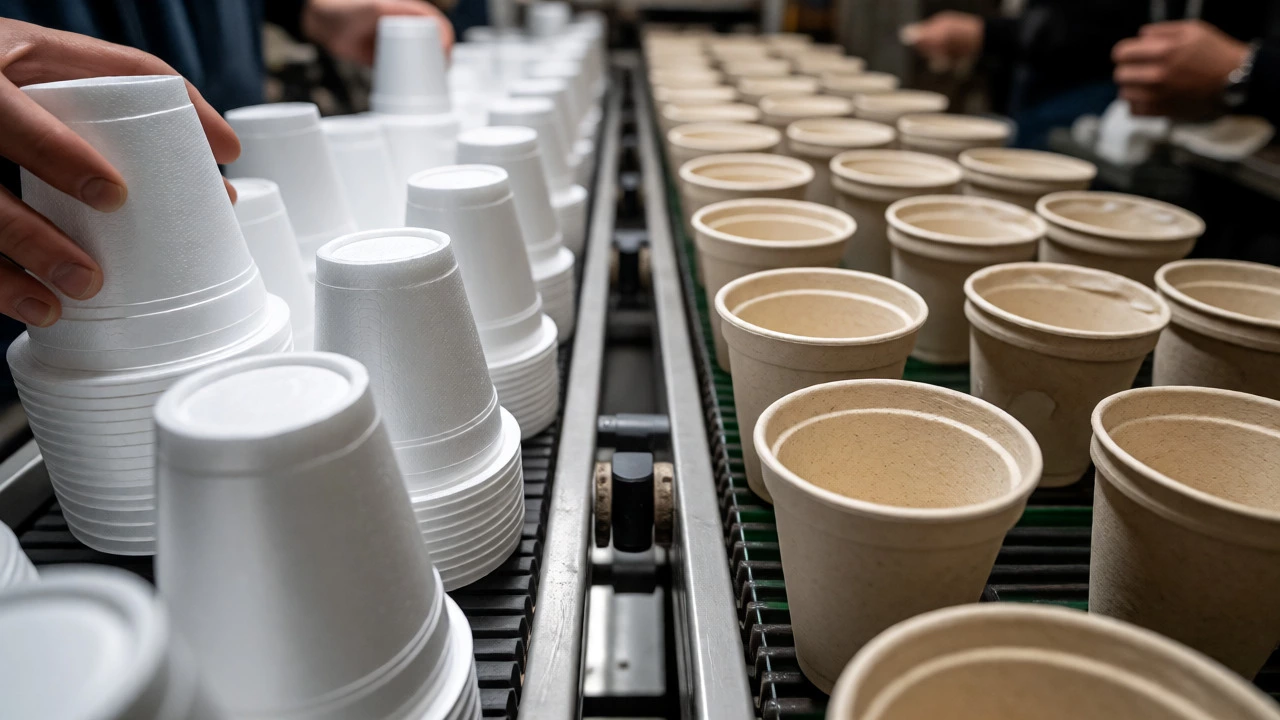
In Canada, for example, the ban specifically targets foodservice ware made from expanded polystyrene (foam). This hit manufacturers hard because foam was cheap and effective for insulation. Now, those companies must switch to molded fiber or PLA (polylactic acid) lined paper. In the EU, the ban extends to oxo-degradable plastics, which were marketed as eco-friendly but actually just broke down into microplastics.
The Ripple Effect on Plastic Manufacturing
If you run a factory producing plastic goods, these bans aren't just political news-they're operational headaches and opportunities. Let’s break down how this affects the industry.
Raw Material Shifts: Demand for virgin petroleum-based polymers like polypropylene and polystyrene has softened in regulated markets. Conversely, demand for biopolymers like PLA, PHA (polyhydroxyalkanoates), and cellulose-based materials has skyrocketed. Prices for these alternatives remain higher than traditional plastics, squeezing margins unless you pass costs to consumers.
Redesign Challenges: You can’t just swap materials without changing machinery. A straw made of paper behaves differently than one made of plastic. It gets soggy. It requires different coating technologies. Manufacturers investing in R&D for water-resistant coatings or durable bamboo alternatives gained a competitive edge early on.
Export Complexities: If you manufacture in a country with loose regulations but export to the EU or Canada, you face compliance hurdles. Your product might be legal domestically but illegal abroad. This forces dual production lines or complex inventory management.
Alternatives That Actually Work
Not all substitutes are created equal. Some fail performance tests; others create new environmental problems. Here’s what’s gaining traction in 2026:
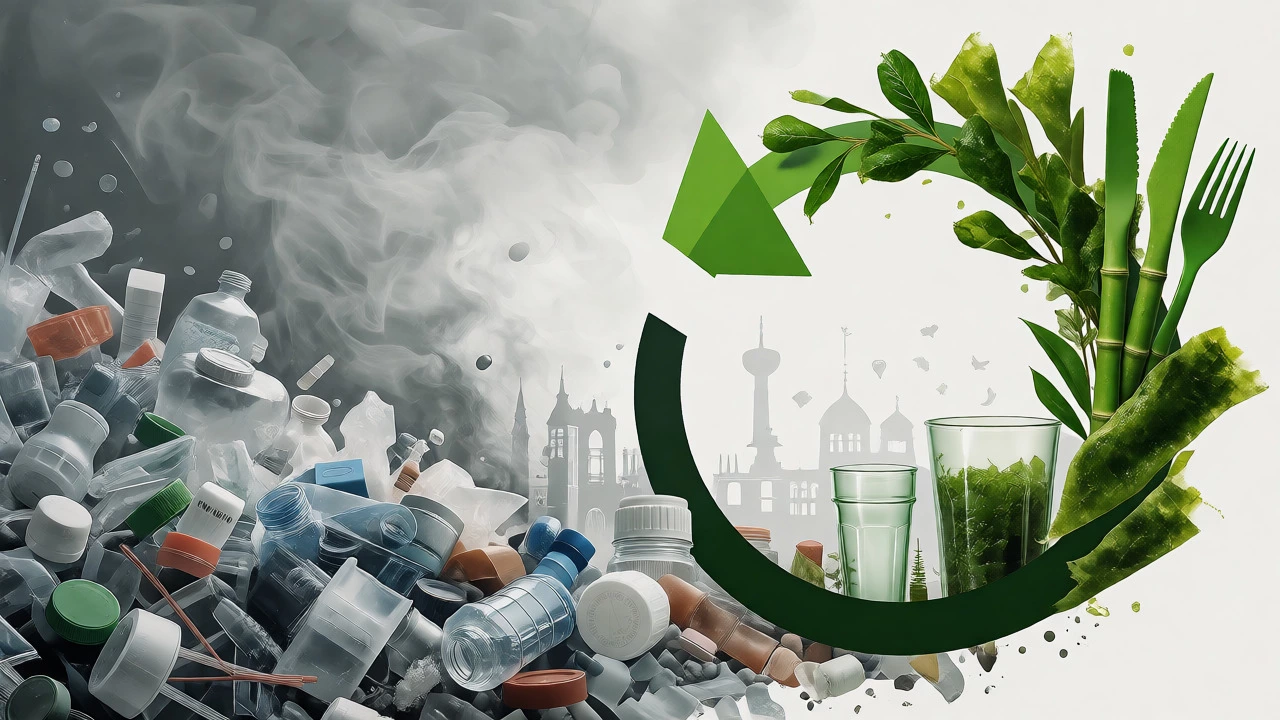
- Paper: Widely accepted for bags and cups. However, sourcing must be certified sustainable (e.g., FSC-certified) to avoid deforestation criticism.
- Bamboo: Excellent for cutlery and toothbrushes. It’s durable and renewable, but washing requirements limit its use for single-use scenarios unless coated properly.
- Edible Materials: Seaweed-based wrappers and edible spoons are niche but growing. They solve the disposal problem entirely but come with high production costs.
- Reusable Systems: Instead of banning disposables, some cities mandate deposit-return schemes. This shifts the burden from manufacturers to logistics providers who clean and redistribute containers.
A common pitfall? Choosing "biodegradable" plastics that require industrial composting facilities. If your local municipality doesn’t have them, your "green" cup ends up in a landfill where it won’t break down any faster than regular plastic. Always check local waste infrastructure before selecting materials.
How to Stay Compliant and Competitive
Don’t wait for another headline to panic. Take proactive steps now:
- Audit Your Product Line: Identify which SKUs contain banned materials in your key export markets. Look for hidden plastics, like linings in paper cups or seals on snack packs.
- Engage with Regulators: Join industry associations. They often provide early warnings about upcoming legislative changes. In Australia, for example, state-level bans vary, so staying informed via peak bodies like the Australian Packaging Covenant Organisation is vital.
- Invest in Flexible Machinery: Choose equipment that can handle multiple material types. Being able to switch from plastic film to paper or bio-film without massive downtime saves money during regulatory transitions.
- Market Your Sustainability: Consumers care. Use clear labeling to show compliance. Phrases like "Home Compostable" or "Recyclable in Kerbside Collection" build trust, but only if accurate. Greenwashing claims can backfire legally.
The Future Outlook Beyond 2026
Where is this heading? The trend is unmistakably upward. More countries are drafting extended producer responsibility (EPR) laws. EPR makes manufacturers financially responsible for the collection and recycling of their products. This internalizes the cost of waste, incentivizing design changes at the source.
We’re also seeing a push for harmonized global standards. Currently, navigating different national bans is costly for multinational corporations. International treaties on plastic pollution, such as the ongoing negotiations under the UN Environment Programme, aim to create a binding global agreement. While not yet finalized in 2026, the direction is clear: fragmented rules will likely consolidate into stricter international norms.
For manufacturers, this means the era of cheap, disposable convenience is ending. The winners will be those who innovate around durability, circularity, and true recyclability. It’s not just about avoiding fines; it’s about building a brand that aligns with consumer values in a world increasingly hostile to waste.
Has any country completely banned all forms of plastic?
No country has banned all plastic usage entirely. Most bans target specific single-use items like bags, straws, and cutlery. Industrial plastics and long-lasting consumer goods remain widely used and permitted globally.
Is India's plastic ban nationwide?
India has implemented a nationwide ban on specific single-use plastic items since July 2022, targeting items like thin carry bags, plastic flags, and polystyrene decorations. However, enforcement varies by state, and thicker, reusable-grade plastics are still allowed.
What happens if I sell non-compliant plastic in Canada?
Manufacturers and retailers selling banned single-use plastics in Canada face significant fines. Penalties can reach up to $6 million CAD for large corporations. Enforcement includes inspections and random checks at retail locations and ports of entry.
Are bioplastics always better for the environment?
Not necessarily. Many bioplastics require industrial composting facilities to break down. If they end up in landfills or oceans, they may persist similarly to conventional plastics. Their benefit depends heavily on local waste management infrastructure.
How do plastic bans affect small businesses?
Small businesses often face higher unit costs for compliant alternatives compared to bulk-buying giants. However, many find that customers appreciate the sustainability effort, leading to increased loyalty. Grants and subsidies are sometimes available to help offset initial transition costs.