Global Plastic Ban Knowledge Quiz
Question 1: Which country was the first to implement a comprehensive ban on non-biodegradable plastic bags in 2008?
1 / 5 Questions Answered
Quiz Results
0/5
Keep learning!
You might think the single-use plastic ban is a new trend, but some nations have been enforcing strict rules for over a decade. Rwanda banned plastic bags back in 2008, long before it was fashionable to care about ocean trash. Today, more than 60 countries have implemented some form of restriction on single-use plastics. This isn't just about environmental virtue signaling; it's reshaping how manufacturers operate and what products reach the shelf.
If you're tracking regulatory trends or trying to understand where the market is heading, knowing which countries have acted-and which are still debating-is crucial. The landscape is fragmented. Some places ban everything from straws to polystyrene containers. Others target specific items like microbeads in cosmetics. Let's break down who has pulled the trigger, why they did it, and what it means for the future of packaging.
Rwanda: The Pioneer of Plastic Bans
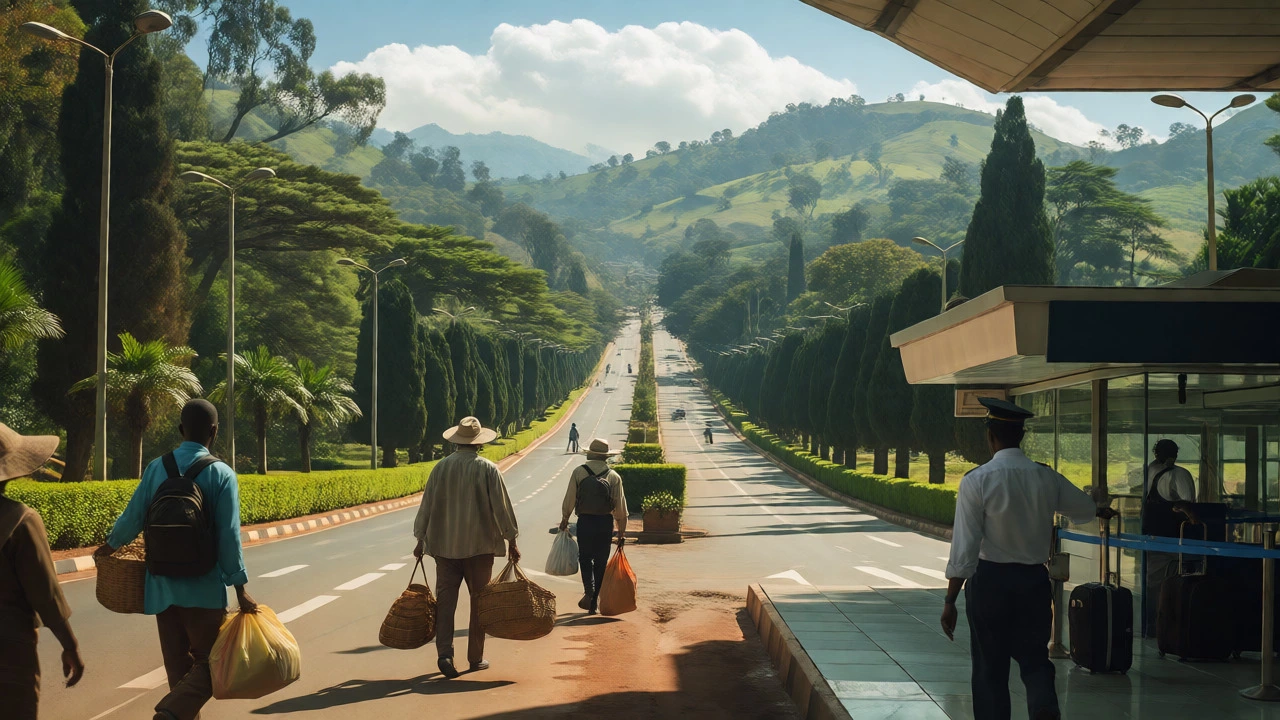
Rwanda is a landlocked country in East Africa that became the first nation to implement a comprehensive ban on non-biodegradable plastic bags. In 2008, the government prohibited the manufacture, importation, use, and sale of polyethylene bags thinner than 30 microns. Why so early? Kigali, the capital, was drowning in litter. Plastic clogged drainage systems, leading to severe flooding during rainy seasons. It also killed livestock when animals ate the waste.
The enforcement is strict. Travelers arriving at Kigali Airport often find their luggage searched. If you're carrying plastic bags, you might be asked to leave them behind. There are no exceptions for "just one bag." The penalty can include fines or even jail time for repeat offenders. This aggressive approach turned Kigali into one of the cleanest cities in Africa. Other African nations took note.
Kenya: The Hardest Hitting Penalties
Kenya followed Rwanda's lead but with much tougher consequences. Since June 2017, Kenya has enforced one of the world's toughest plastic bag bans. Producing, selling, or using plastic bags can result in fines up to $40,000 or four years in prison. Yes, prison.
Before the ban, Nairobi was known as the "green city in the sun," but its reputation was tarnished by plastic-choked rivers and streets. The ban forced a rapid shift to paper, cotton, and reusable alternatives. While there were initial supply chain disruptions, local manufacturers adapted quickly. Small businesses started producing jute bags and woven sacks. The law applies to everyone, including tourists. You'll see signs everywhere reminding visitors that bringing plastic bags into the country is illegal.
The European Union: Leading the Policy Charge
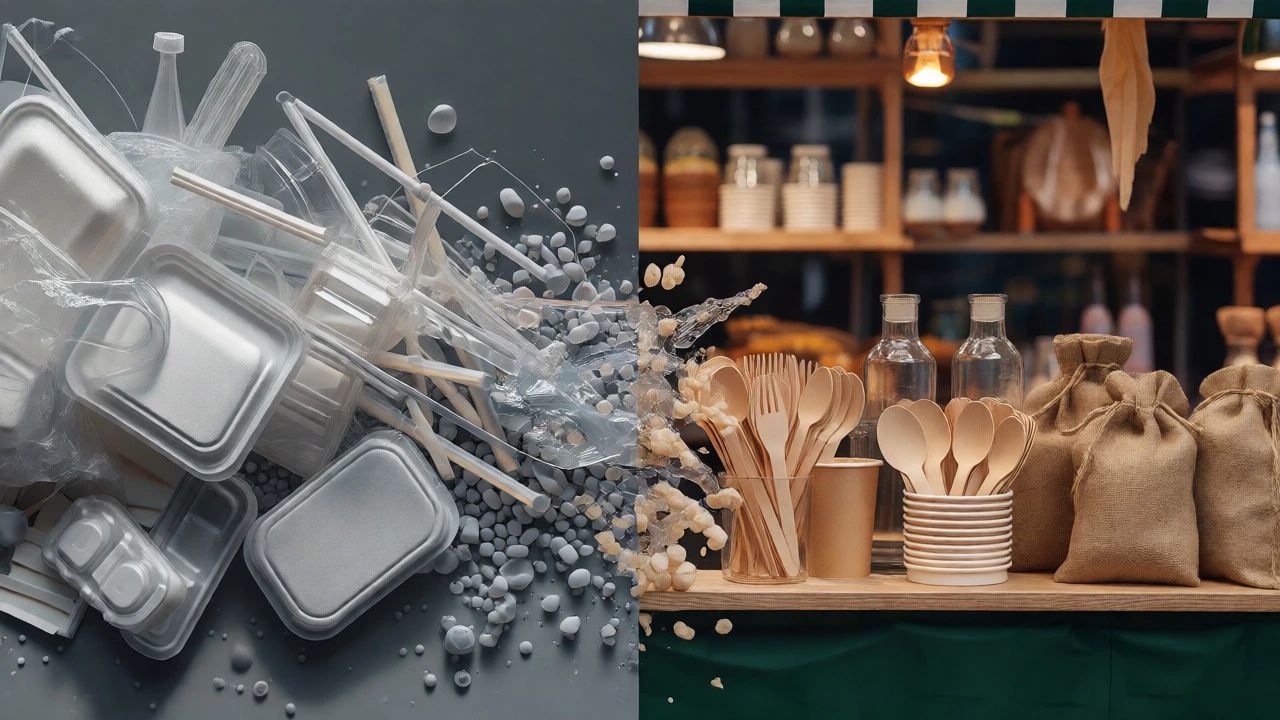
The European Union is a political and economic union of member states that adopted a landmark directive to ban ten common single-use plastic items. Effective July 2021, the EU banned items like plastic cutlery, plates, straws, stirrers, and balloon sticks. They also targeted oxo-degradable plastics, which break down into microplastics rather than biodegrading fully.
This wasn't a sudden move. The EU's strategy stems from the realization that Europe produces 25 million tonnes of plastic waste annually, but less than 30% is collected for recycling. Much of the rest ends up in landfills or incinerators. By banning the most commonly found beach litter, the EU aims to reduce marine pollution significantly. Member states have flexibility in implementation. For example, France went further by banning plastic packaging for fruits and vegetables starting in 2022. Germany focused heavily on deposit return schemes for bottles and cans, achieving recycling rates above 90%.
| Region/Country | Ban Start Date | Key Items Banned | Penalty Type |
|---|---|---|---|
| Rwanda | 2008 | Thin plastic bags (<30 microns) | Fines, Confiscation |
| Kenya | 2017 | All plastic carrier bags | Fines up to $40k, Jail |
| EU (General) | 2021 | Cutlery, straws, plates, cups | National fines vary |
| Canada | 2022 (Phased) | Checkout bags, cutlery, foam | Fines, Import restrictions |
| India | 2022 | Single-use plastic items list | Fines, License suspension |
Canada: Phasing Out Harmful Plastics
Canada joined the movement later but with a clear timeline. In December 2022, Canada officially added single-use plastics to its list of toxic substances under the Canadian Environmental Protection Act. This legal step allows the government to regulate production and import. The ban targets checkout bags, cutlery, foodservice ware made of hard-to-recycle plastics, ring carriers for beverage cans, stir sticks, and straws.
The implementation is phased. By late 2023, the sale of these items was largely prohibited. Manufacturers had to redesign products or switch materials. Paper straws, wooden cutlery, and compostable containers flooded the market. The goal is zero plastic waste by 2030. Critics argue the transition was rushed, causing confusion for small retailers. But the data shows a drop in plastic litter in urban areas, suggesting the policy is working.
India: Managing Scale and Complexity
India faces a unique challenge due to its massive population and diverse consumption habits. In July 2022, India banned 19 identified single-use plastic items. These include earbuds with plastic sticks, plastic balloons with strings, plastic flags, candy sticks, ice cream sticks, and thermocol (polystyrene) for decoration. Unlike Western bans, India's focus includes items used in religious ceremonies and festivals, which generate significant waste.
Enforcement varies wildly across states. Cities like Mumbai and Delhi have stricter checks, while rural areas struggle with compliance. Informal waste pickers play a critical role here. They collect recyclables that formal systems miss. However, the ban has hurt small-scale manufacturers who relied on cheap plastic inputs. Many are now shifting to cloth, jute, and paper. The government promotes the "Swachh Bharat" (Clean India) mission alongside these bans to drive behavioral change.
China: From Waste Importer to Regulator
For decades, China accepted the world's plastic waste. That changed in 2018 with the "National Sword" policy, which banned imports of many types of solid waste. Domestically, China began phasing out single-use plastic bags in major cities. By 2020, supermarkets in Beijing and Shanghai stopped providing free plastic bags. Hotels stopped offering disposable toiletries.
The shift disrupted global recycling markets overnight. Countries that relied on exporting plastic to China had to build domestic processing capacity. Now, China is focusing on circular economy models. They invest heavily in chemical recycling technologies. The domestic ban continues to expand, targeting delivery services and e-commerce packaging, which have exploded in volume.
Why Do Countries Ban Plastic?
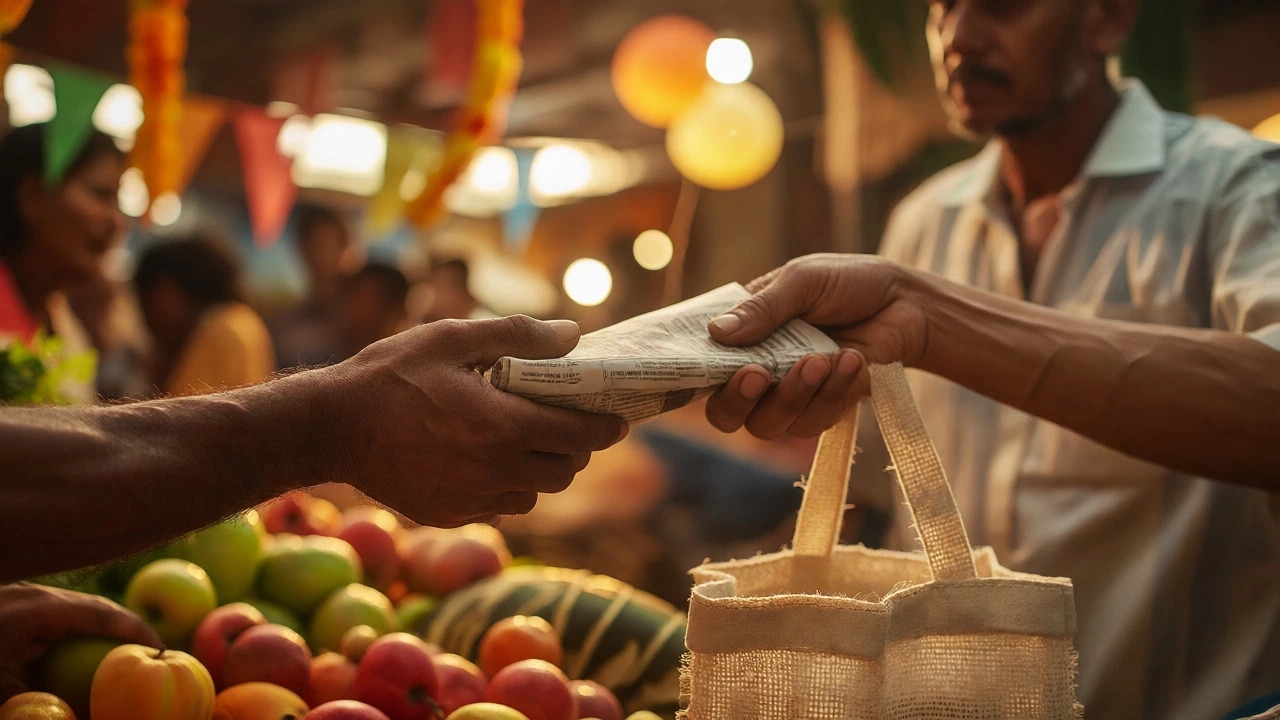
It's not just about aesthetics. Plastic pollution costs economies billions. Tourism suffers when beaches are littered. Fisheries decline when fish ingest microplastics. Health risks emerge when microplastics enter the human body through water and food chains.
Manufacturers face immediate pressure. When a country bans a material, demand shifts instantly. Companies must innovate. Bioplastics, made from corn starch or sugarcane, gain popularity. Aluminum and glass see renewed interest. The cost of compliance can be high, but brand reputation takes a hit if you ignore regulations. Consumers increasingly vote with their wallets, choosing brands that align with sustainability values.
What Is Not Banned Yet?
Not every plastic item is gone. Food packaging remains tricky. Thin films are hard to recycle mechanically. Many countries allow plastic bottles because they have high recycling rates. Deposit return schemes incentivize returning bottles, making them valuable commodities. Similarly, medical-grade plastics are exempt due to hygiene requirements. You won't see sterile syringes replaced by bamboo anytime soon.
Microplastics in tires and synthetic clothing are another blind spot. Washing clothes releases fibers into waterways. Regulations here are nascent. The EU is considering filters for washing machines. This area represents the next frontier in plastic regulation.
How Businesses Should React
If you run a manufacturing business, watch these trends closely. Diversify your material suppliers. Don't rely solely on virgin plastic. Invest in R&D for alternative materials. Train staff on new compliance rules. Communicate changes clearly to customers. Transparency builds trust.
Small businesses can leverage local sourcing. Using locally produced paper or cotton reduces carbon footprint and supports community economies. Large corporations should lobby for standardized regulations to avoid patchwork compliance nightmares. Consistency helps scale solutions.
Which country has the strictest plastic ban?
Kenya is widely considered to have the strictest penalties, with fines up to $40,000 and potential jail time for individuals and companies violating the ban. Rwanda is also very strict regarding enforcement and confiscation at borders.
Are all single-use plastics banned globally?
No. There is no global ban. Each country sets its own rules. Some ban only bags, others ban straws and cutlery. Enforcement levels vary significantly between developed and developing nations.
Can I bring plastic bags to Rwanda?
Generally, no. Luggage is checked upon arrival. Non-biodegradable plastic bags are confiscated. It is best to pack in reusable cloth bags or suitcases without loose plastic wrapping.
Why does the EU ban oxo-degradable plastics?
Oxo-degradable plastics fragment into tiny pieces called microplastics instead of biodegrading completely. These microplastics persist in the environment and harm wildlife, so the EU considers them ineffective for reducing pollution.
Do bans affect recycled plastic?
Most bans target virgin single-use plastics. Recycled content is often encouraged. However, if the item itself is banned (like a plastic straw), being recycled doesn't necessarily make it legal unless specific exemptions apply.