Global Electronics Cost & Value Calculator
Compare the estimated total landed cost (manufacturing + logistics + tariffs) of electronics based on origin country.
1. Select Manufacturing Origin
2. Product Parameters
Analysis Results
Select a country and click Calculate to see the cost breakdown.
Have you ever stood in a store aisle, comparing two identical-looking Bluetooth speakers, only to find one costs half as much as the other? Or perhaps you’ve been sourcing components for a small business and noticed that the price tags shift dramatically depending on where the shipment originates. The question of which country sells cheapest electronics is not just about finding a bargain; it’s about understanding the complex web of manufacturing costs, government subsidies, and supply chain logistics that define the global tech market in 2026.
The short answer is often China, but the full picture is far more nuanced. While China remains the dominant force in low-cost production, countries like India, Vietnam, and Bangladesh are aggressively competing for the title of the world’s most affordable electronics hub. For consumers and businesses alike, knowing where these prices come from-and why they vary-is crucial for making smart purchasing decisions.
The Undisputed King of Low-Cost Electronics: China
When people ask where the cheapest electronics come from, China is almost always the first name that comes to mind. And for good reason. China has spent decades building an unparalleled ecosystem for electronics manufacturing. It’s not just about cheap labor anymore; it’s about scale, infrastructure, and vertical integration.
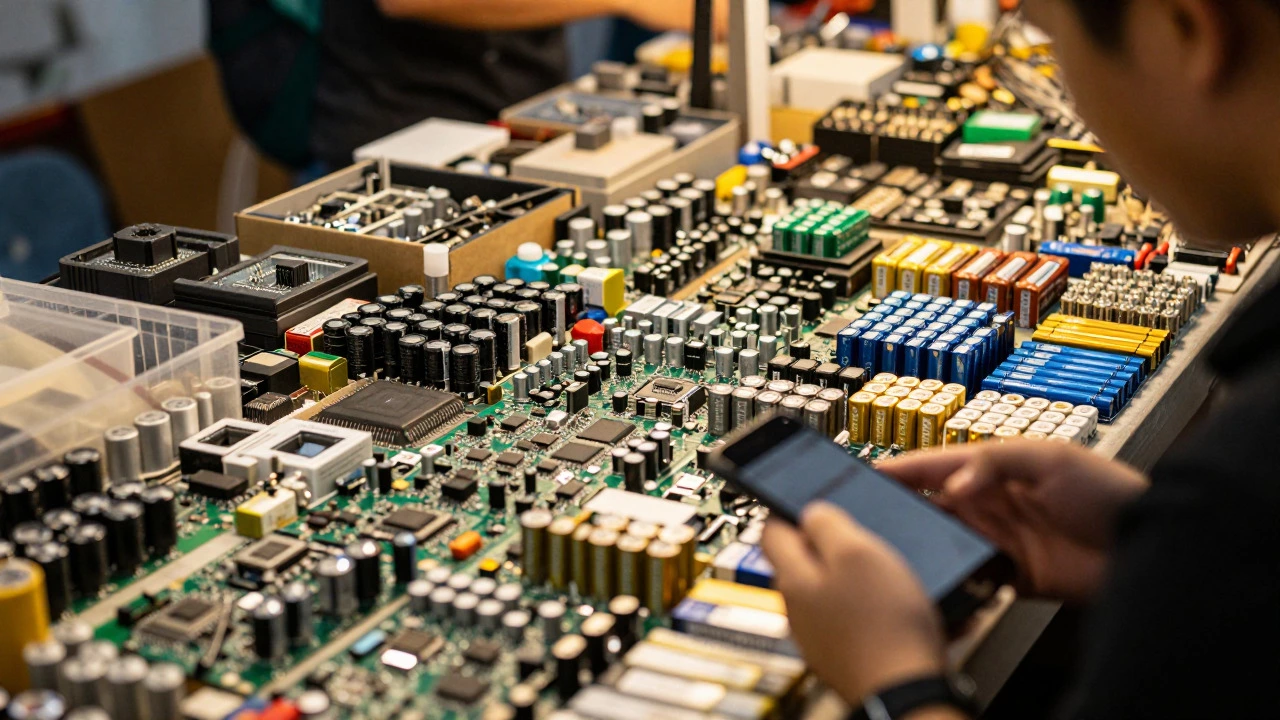
In Shenzhen, often called the "Silicon Valley of Hardware," you can walk into a market and find every component needed to build a smartphone-from the lithium-ion battery cells to the tiny capacitors and microchips-within a five-block radius. This density reduces transportation costs and lead times significantly. When a factory needs a new part, it doesn’t have to wait weeks for a shipment from another continent; it can get it across town in hours.
| Country | Primary Strength | Average Labor Cost (Monthly USD) | Key Products | Tariff Environment (for US/EU imports) |
|---|---|---|---|---|
| China | Complete Supply Chain Ecosystem | $300 - $500 | Smartphones, Laptops, Consumer Gadgets | High Tariffs / Trade Barriers |
| India | Government Subsidies (PLI Scheme) | $150 - $250 | Mobile Phones, Basic Home Appliances | Low Tariffs / Favorable Agreements |
| Vietnam | Labor Cost & Trade Agreements | $200 - $350 | Electronics Assembly, Cables, Peripherals | Moderate Tariffs |
| Bangladesh | Ultra-Low Labor Costs | $100 - $180 | Basic Electronics, Garments with Tech Integration | Low Tariffs (GSP Status) |
However, the story isn’t entirely simple. In recent years, rising wages in coastal Chinese cities and geopolitical tensions have pushed some manufacturers to look elsewhere. Yet, China still holds the crown for the lowest final product prices for many high-tech items because no other country matches its efficiency in mass production. If you’re buying a generic USB cable or a basic LED light bulb, China is likely your cheapest option.
The Rising Challenger: Electronics Manufacturing in India
If you’ve been following global trade news, you’ve probably heard about the surge in electronics manufacturing in India. India is rapidly becoming the second-most significant player in the global electronics landscape, particularly for mobile phones. But does this mean India now sells the cheapest electronics?
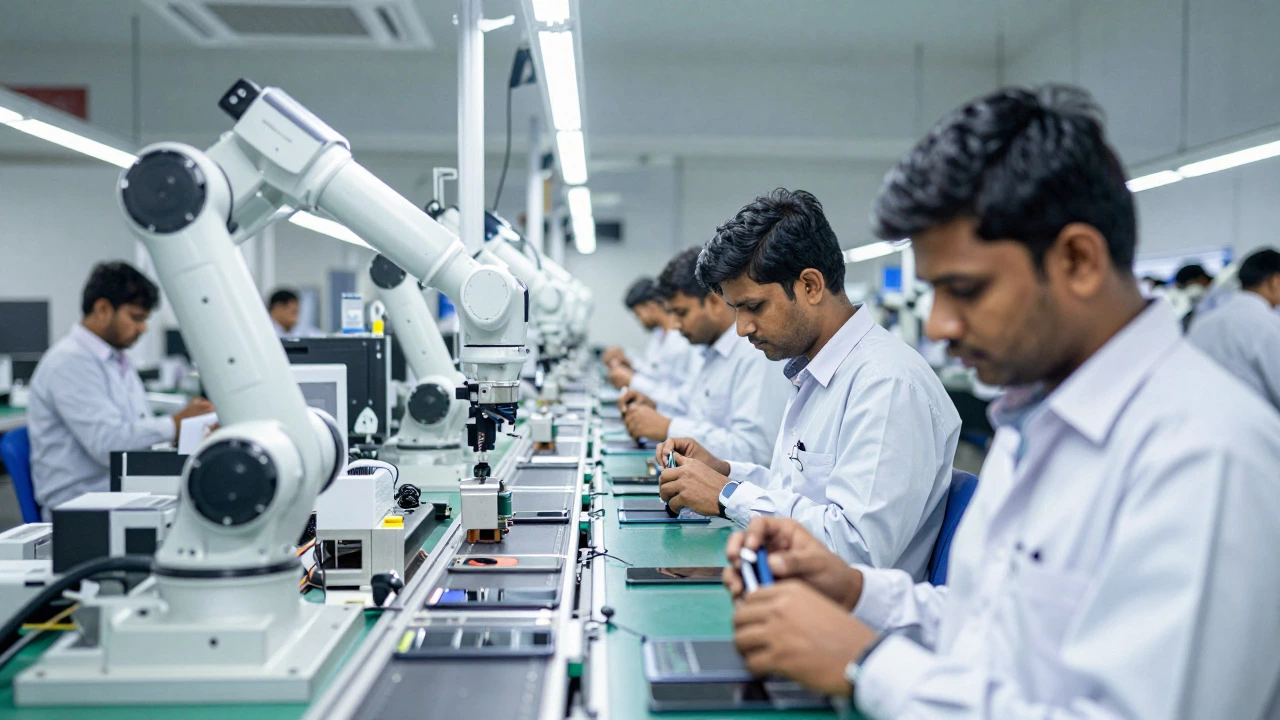
The answer depends on what you’re buying. For smartphones, yes, India is incredibly competitive. Thanks to the Production Linked Incentive (PLI) scheme, the Indian government provides direct cash incentives to manufacturers who produce locally. Companies like Apple, Samsung, and Xiaomi have set up massive factories in cities like Chennai and Hyderabad. These subsidies allow them to sell phones at prices that undercut many imported models.
For example, budget Android phones sold in India often cost 10-15% less than similar models sold in Europe or North America, even after accounting for local taxes. This is because the PLI subsidy directly offsets the cost of production. Additionally, India’s large domestic market allows companies to achieve economies of scale quickly. When you manufacture for a population of 1.4 billion people, the per-unit cost drops significantly.
However, India still relies heavily on imported components. Most semiconductors, displays, and camera modules used in Indian-made phones are still sourced from China or South Korea. This dependency means that while assembly costs are low, the overall bill of materials remains tied to global supply chains. So, while India offers great value for assembled devices like phones and laptops, it hasn’t yet matched China’s dominance in producing the raw components themselves.
Vietnam and Southeast Asia: The Middle Ground
Between China’s high-efficiency ecosystem and India’s subsidy-driven growth, there’s Vietnam. Vietnam has become a major hub for electronics assembly, particularly for multinational corporations looking to diversify their supply chains away from China. Brands like Samsung have moved a significant portion of their smartphone production to Vietnam.
Vietnam’s advantage lies in its favorable trade agreements. With free trade deals with the EU and other major markets, Vietnamese exports often face lower tariffs than Chinese goods. This makes Vietnamese-assembled electronics cheaper for European buyers, even if the initial manufacturing cost is slightly higher than in China.
But here’s the catch: Vietnam lacks the deep supplier network that China has. Many components used in Vietnamese factories are still shipped from China. This adds a layer of logistics cost that keeps prices from dropping as low as they could theoretically be. As a result, Vietnam is a strong contender for mid-range electronics, but it’s not yet the absolute cheapest source for everything.
Bangladesh and Other Emerging Markets
If we’re talking purely about labor costs, Bangladesh and parts of Southeast Asia offer some of the lowest wages in the world. Bangladesh, known globally for its garment industry, is beginning to expand into basic electronics manufacturing. Simple items like power adapters, basic calculators, and entry-level home appliances can be produced here at rock-bottom prices.
However, infrastructure challenges remain. Unreliable electricity, limited port capacity, and a lack of skilled technical workforce mean that production speeds are slower, and quality control can be inconsistent. For high-tech items requiring precision engineering, these countries aren’t yet viable options. But for low-complexity electronics, they represent the true bottom of the price ladder.
Hidden Costs: Why "Cheapest" Isn’t Always Best
When evaluating which country sells the cheapest electronics, it’s easy to focus solely on the sticker price. But savvy buyers know that hidden costs can erase those savings. Here are three critical factors to consider:
- Shipping and Logistics: A product might be cheap in Bangladesh, but if shipping takes six weeks and requires multiple handoffs, the total cost increases. China’s streamlined logistics networks often make faster delivery possible, reducing inventory holding costs for businesses.
- Quality and Durability: Ultra-cheap electronics often cut corners on materials. A $5 speaker from an unknown manufacturer might work for a month before the battery dies. Investing in slightly more expensive products from established hubs like China or India often yields better longevity.
- Warranty and Support: Buying from a country with weak consumer protection laws can leave you stranded if a product fails. Major brands selling out of India or Vietnam usually offer global warranties, whereas generic sellers from smaller markets may not.

How to Find the Best Deals in 2026
So, how do you actually buy the cheapest electronics? Whether you’re a consumer or a business owner, here are practical steps to maximize your savings:
- Compare Regional Prices: Use price comparison tools that show listings from different countries. Sometimes, buying a phone manufactured in India and exported to neighboring regions can yield better deals than buying it domestically.
- Look for Refurbished Markets: Countries like Germany and Japan have robust markets for refurbished electronics. These items are often tested rigorously and sold at a fraction of the original price, offering high value without the risk of brand-new low-quality generics.
- Source Directly from Manufacturers: If you’re buying in bulk, bypass retailers. Platforms that connect buyers directly with factories in China, India, or Vietnam can save you 20-40%. Just ensure you verify the supplier’s credentials to avoid scams.
- Watch for Sales Events: Global sales events like Black Friday, Singles’ Day (November 11 in China), and Amazon Great Indian Festival offer temporary price drops that can make even premium electronics surprisingly affordable.
The Future of Cheap Electronics
Looking ahead, the landscape will continue to shift. Automation is reducing the importance of low labor costs, meaning countries with advanced robotics and efficient energy grids will gain an edge. China is investing heavily in automated factories, while India is focusing on building a domestic semiconductor industry to reduce reliance on imports.
By 2030, we may see a more fragmented market where specific types of electronics are cheapest in different regions. High-end chips might remain concentrated in Taiwan and South Korea, while assembled devices spread across India, Vietnam, and Mexico. For now, though, the title of "cheapest" still largely belongs to China for volume goods, with India rapidly closing the gap for mobile devices.
Which country produces the cheapest smartphones?
Currently, India is a top contender for the cheapest smartphones due to government subsidies under the PLI scheme. However, China still produces the lowest-cost generic and budget-brand phones globally. For branded devices like Samsung or Xiaomi, Indian-manufactured units often offer the best price-to-performance ratio in 2026.
Is it cheaper to buy electronics in China or India?
For most consumers, buying electronics in China is generally cheaper for a wider variety of products, especially accessories and small gadgets. India offers competitive prices specifically for smartphones and laptops due to local manufacturing incentives. However, import duties and shipping costs must be factored in if you are buying from outside these countries.
Why are electronics so cheap in China?
China’s low prices stem from its complete supply chain ecosystem, massive economies of scale, and highly efficient logistics. Factories in cities like Shenzhen can source all components locally, reducing transport costs and time. Additionally, decades of investment in infrastructure allow for rapid mass production that drives down per-unit costs.
What is the role of the PLI scheme in Indian electronics pricing?
The Production Linked Incentive (PLI) scheme provides cash rewards to manufacturers based on the value of goods produced in India. This subsidy lowers the effective cost of production for companies like Apple and Samsung, allowing them to sell devices at lower prices compared to markets without such incentives.
Are Vietnamese electronics cheaper than Chinese ones?
Not necessarily. While Vietnam has lower labor costs, it relies heavily on importing components from China. This adds logistics costs that often offset the labor savings. Vietnamese electronics may be cheaper for European buyers due to lower tariffs, but the base manufacturing cost is often comparable to or slightly higher than China’s.