US Steel Production Explorer
Click on a state below to view detailed information about its steel industry strengths, key players, and strategic advantages.
Indiana
Rank #1Primary Strength
Integrated Mills & Logistics
Key Companies
U.S. Steel, ArcelorMittal
Main Products
- Hot-rolled coil
- Heavy plate
Strategic Advantage
Access to Great Lakes shipping routes for iron ore from Minnesota reduces transport costs significantly.
You might think of steel as a generic building block, but where it comes from matters. It affects cost, carbon footprint, and supply chain resilience. If you are sourcing materials or just curious about American industry, knowing where steel is made in the US gives you a map of economic powerhouses.
The short answer? The Midwest dominates. But the landscape has shifted since the Rust Belt heyday. Today, production is concentrated in specific states with strong infrastructure, access to raw materials, and skilled labor. Let's break down exactly which states lead the pack and why they matter.
Why Geography Still Matters for Steel Production
Steel isn't made in a vacuum. It requires massive amounts of iron ore, coal (for coke), limestone, and water. Historically, this meant proximity to mines and rivers. While modern logistics have reduced some constraints, energy costs and transportation remain huge factors. A plant in Indiana benefits from Great Lakes shipping routes bringing taconite from Minnesota. A mill in Texas leverages cheap natural gas for electric arc furnaces.
This geographic concentration creates clusters. When suppliers, service providers, and specialized labor pool together, efficiency skyrockets. This is why you see dense networks of mills in certain regions rather than scattered evenly across the country. Understanding these hubs helps predict price fluctuations and availability issues.
Indiana: The Unrivaled Leader
If there is one state that defines modern American steel, it is Indiana. It consistently ranks first in total steel output. Why? Two main reasons: location and legacy.
- Porter County: Home to massive integrated mills like U.S. Steel Gary Works, one of the largest single-location steelmaking facilities in the world.
- Access to Raw Materials: Indiana sits at the heart of the Great Lakes shipping corridor. Iron ore from Minnesota arrives by ship, reducing transport costs significantly compared to trucking or rail alone.
- Infrastructure: Decades of investment have created an ecosystem of suppliers and skilled workers unique to the region.
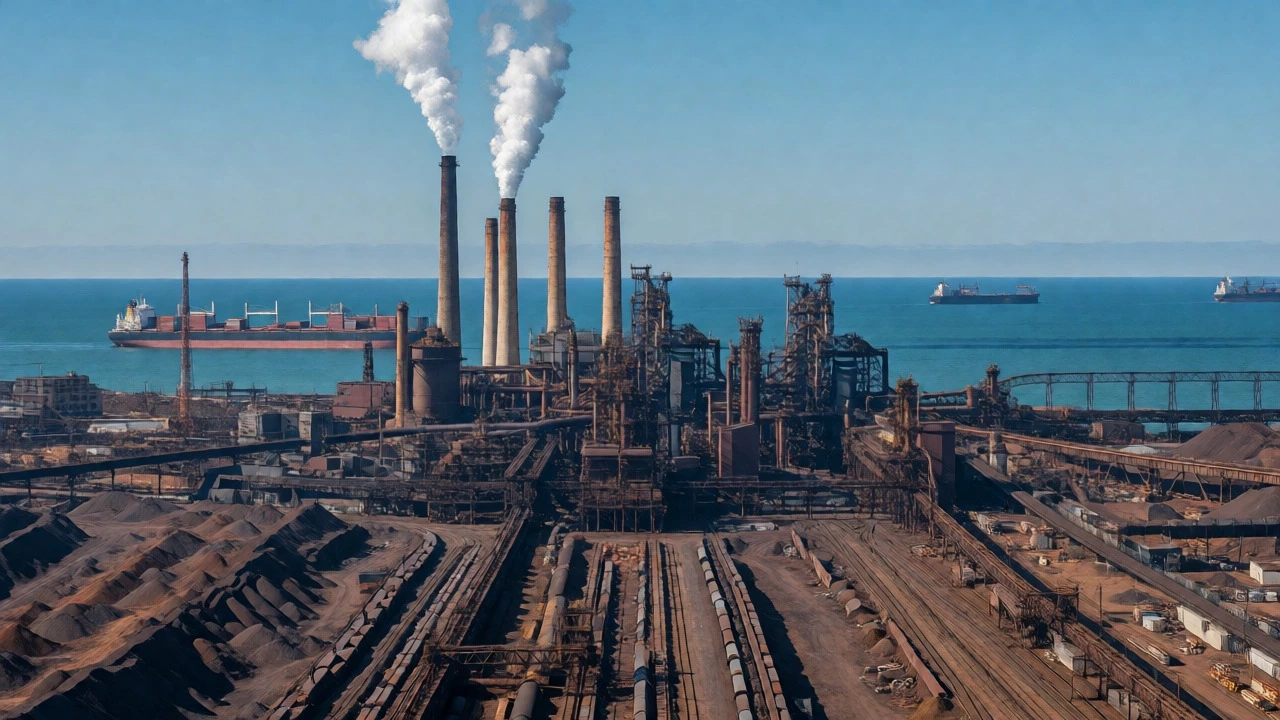
Gary, East Chicago, and Hammond form a continuous industrial zone. Walking through these areas, you see the scale of operations. Smokestacks, rail yards, and endless piles of scrap metal define the skyline. For many buyers, if you need hot-rolled coil or heavy plate, Indiana is often the first place your supplier looks.
Pennsylvania: The Historical Heartbeat
Pennsylvania holds a special place in steel history. Pittsburgh was once synonymous with steel. While the city itself has transformed into a tech and healthcare hub, the surrounding region remains a critical producer.
Western Pennsylvania still hosts significant operations, particularly in the Mon Valley area south of Pittsburgh. Companies like Nucor and ArcelorMittal maintain a strong presence here. The state benefits from:
- Scrap Availability: As an older industrial region, Pennsylvania generates substantial scrap metal, fueling electric arc furnace (EAF) production.
- Rail Connectivity: Extensive rail networks connect mills to national markets.
- Talent Pool: Generations of metallurgical expertise reside in the region.
While Pennsylvania no longer leads in sheer volume compared to Indiana, its strategic position on the East Coast makes it vital for serving automotive and construction clients in the Northeast.
Ohio: The Industrial Crossroads
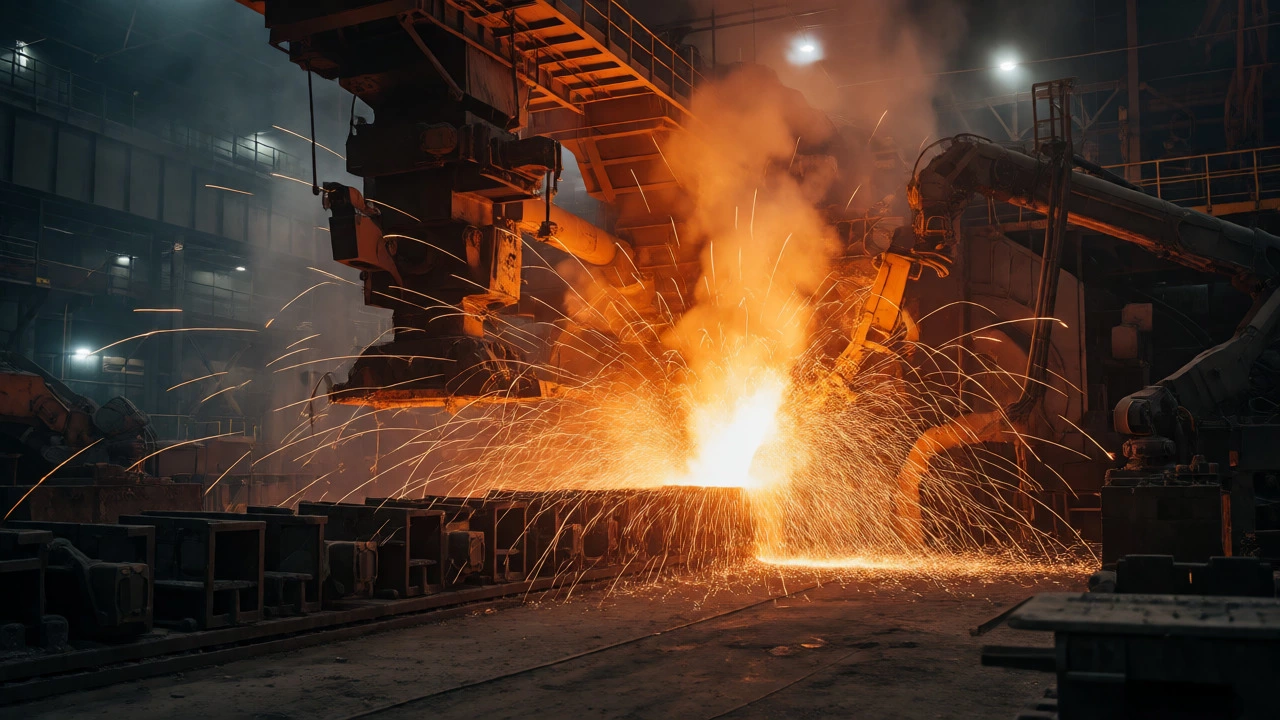
Ohio typically ranks third in U.S. steel production. Cleveland, Toledo, and Columbus serve as key nodes. Ohio’s advantage lies in its central location. Shipping products from Ohio reaches major markets in Michigan, Illinois, New York, and beyond relatively quickly.
Major players include:
- Cleveland Cliffs: Headquartered in Cleveland, this company operates several plants across the state, focusing on flat-rolled steel used in appliances and cars.
- Nucor Steel: Operates mini-mills throughout Ohio, leveraging flexible EAF technology to produce rebar and structural shapes efficiently.
Ohio’s mix of integrated mills and mini-mills provides stability. When demand shifts between heavy industrial needs and lighter consumer goods, Ohio’s diverse production capabilities adapt faster than regions reliant on a single type of facility.
Texas: The Rising Star in Mini-Mills
Don't overlook Texas. In recent years, Texas has surged up the rankings. Why? Energy costs and scrap availability. Electric arc furnaces (EAFs), which melt scrap metal using electricity, thrive where power is cheap. Texas offers some of the lowest industrial electricity rates in the nation.
Houston and the Gulf Coast region host numerous Nucor and Steel Dynamics plants. These facilities focus on long products like rebar and wire rod, essential for the booming construction sector in the Sun Belt. The shift toward EAF production favors regions like Texas over traditional blast furnace centers, marking a significant change in the industry's geography.
Other Key Players: Michigan, Alabama, and Utah
While the top four dominate, other states play crucial roles:
| State | Primary Strength | Key Companies | Main Products |
|---|---|---|---|
| 1 Indiana | Integrated Mills & Logistics | U.S. Steel, ArcelorMittal | Hot-rolled coil, Plate |
| 2 Pennsylvania | Historical Infrastructure | Nucor, ArcelorMittal | Structural steel, Sheet |
| 3 Ohio | Central Location | Cleveland Cliffs, Nucor | Automotive steel, Rebar |
| 4 Texas | Low Energy Costs | Nucor, Steel Dynamics | Rebar, Wire Rod |
| 5 Michigan | Automotive Demand | U.S. Steel, Cleveland Cliffs | High-strength automotive steel |
Michigan remains critical due to the auto industry. Plants near Detroit produce high-grade steel specifically engineered for car bodies and chassis. Alabama has grown thanks to low-cost energy and port access, attracting investments from companies like Nucor. Utah hosts Gerdau Ameristeel facilities, serving the Western market with rebar and merchant bar.
How Technology Shifts the Map
The rise of Electric Arc Furnace (EAF) technology is reshaping where steel is made. Traditional blast furnaces require massive capital and consistent iron ore supplies, favoring locations like Indiana. EAFs, however, can be built almost anywhere with good grid access and scrap supply.
This decentralization means we are seeing more small-to-medium mills popping up in non-traditional states. For example, new facilities in the Southeast and Mountain West leverage local scrap streams and renewable energy incentives. Buyers should watch this trend. It might mean shorter lead times and lower freight costs if you source locally rather than from the Midwest giants.
What This Means for You
If you are a manufacturer, contractor, or investor, this geographic knowledge translates to practical advantages:
- Freight Costs: Sourcing steel from a nearby state saves thousands per ton in transportation.
- Supply Security: Diversifying suppliers across different regions (e.g., one in Indiana, one in Texas) protects against regional disruptions like weather events or labor strikes.
- Sustainability Goals: Knowing the origin helps calculate embodied carbon. EAF-heavy regions like Texas may offer lower-carbon options compared to traditional blast furnace regions.
The U.S. steel industry is not dying; it is evolving. The map is changing, driven by energy economics and technology. Keeping an eye on these shifts ensures you stay ahead of pricing trends and supply chain risks.
Which state produces the most steel in the US?
Indiana consistently ranks as the top steel-producing state in the United States. Its dominance is driven by large integrated mills along Lake Michigan, such as the U.S. Steel Gary Works, and its strategic access to iron ore via Great Lakes shipping routes.
Why is Texas becoming a major steel producer?
Texas has risen in steel production rankings primarily due to low natural gas and electricity costs. These conditions favor Electric Arc Furnace (EAF) mills, which melt scrap metal. Additionally, the booming construction industry in the Sun Belt creates strong local demand for products like rebar.
Is Pennsylvania still important for steel manufacturing?
Yes, Pennsylvania remains a significant player, though it no longer holds the top spot it did in the early 20th century. Western Pennsylvania continues to host major operations from companies like Nucor and ArcelorMittal, benefiting from established infrastructure and a deep talent pool in metallurgy.
What types of steel are produced in Ohio?
Ohio produces a wide variety of steel, including flat-rolled products for the automotive and appliance industries, as well as long products like rebar and structural beams. Its central location makes it an ideal distribution hub for these goods across the Eastern and Midwestern U.S.
How does technology affect where steel is made?
The shift from blast furnaces to Electric Arc Furnaces (EAFs) allows steel production to move closer to scrap sources and cheap energy grids, rather than strictly near iron ore mines. This has led to growth in states like Texas and Alabama, which were previously less prominent in the industry.