US Manufacturing State Comparison Tool
Top States by Output Value
Key Insight
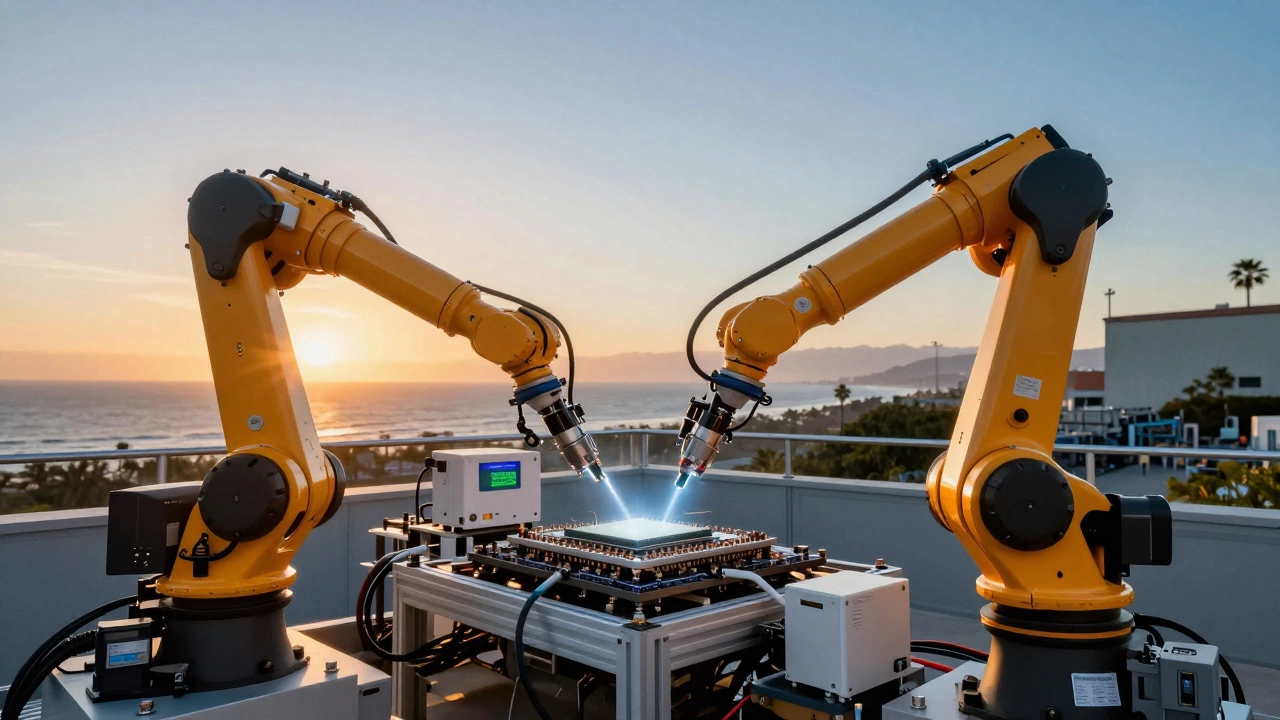
California leads in total output value due to high-tech industries like semiconductors and medical devices, despite having fewer jobs per capita than Midwestern states.
When you think of American industry, you might picture smokestacks or assembly lines. But the real answer to which state leads in manufacturing is less about images and more about raw numbers. California is the US state with the highest total manufacturing output by value. It consistently tops the list for total production value, often exceeding $500 billion annually. However, if you look at job density or specific industries like automotive or steel, other states take the lead. Understanding this distinction helps businesses decide where to invest, expand, or source materials.
The Difference Between Output Value and Job Count
To understand who "wins" in manufacturing, we need to split the data into two categories: total output value and employment numbers. These two metrics tell very different stories about the US industrial landscape. Total output measures how much money the sector generates. Employment measures how many people work in it. A state can have high output but fewer jobs if its factories are highly automated. Conversely, a state can have many jobs but lower output if the products are less expensive.
California dominates in total output value. Its diverse economy includes aerospace, electronics, food processing, and pharmaceuticals. The sheer size of its population and tech sector drives this number up. On the other hand, Ohio, Michigan, and Indiana often lead in manufacturing jobs as a percentage of their workforce. This is why the "most manufacturing" label depends entirely on what metric you care about.
Top States by Manufacturing Output Value
If your goal is to maximize revenue potential or access high-value supply chains, you should look at the top states by output value. These states host the largest factories and produce the most expensive goods. Here is how the top contenders stack up based on recent Bureau of Economic Analysis data.
- California: Leads with over $500 billion in annual output. Key sectors include semiconductors, medical devices, and food products.
- Texas: Second place with roughly $400 billion. Strong in petrochemicals, machinery, and aircraft manufacturing.
- New York: Third place with around $300 billion. Focuses on pharmaceuticals, chemicals, and food processing.
- Illinois: Fourth place with nearly $250 billion. Known for transportation equipment and food manufacturing.
- Ohio: Fifth place with about $200 billion. A powerhouse in metals, machinery, and automotive parts.
Notice that Texas has surged in recent years due to energy-related manufacturing and tech relocation. Its low corporate taxes and large land availability make it attractive for massive facilities. Meanwhile, New York remains strong because of its specialized chemical and pharmaceutical industries, which command high price points.
Top States by Manufacturing Employment
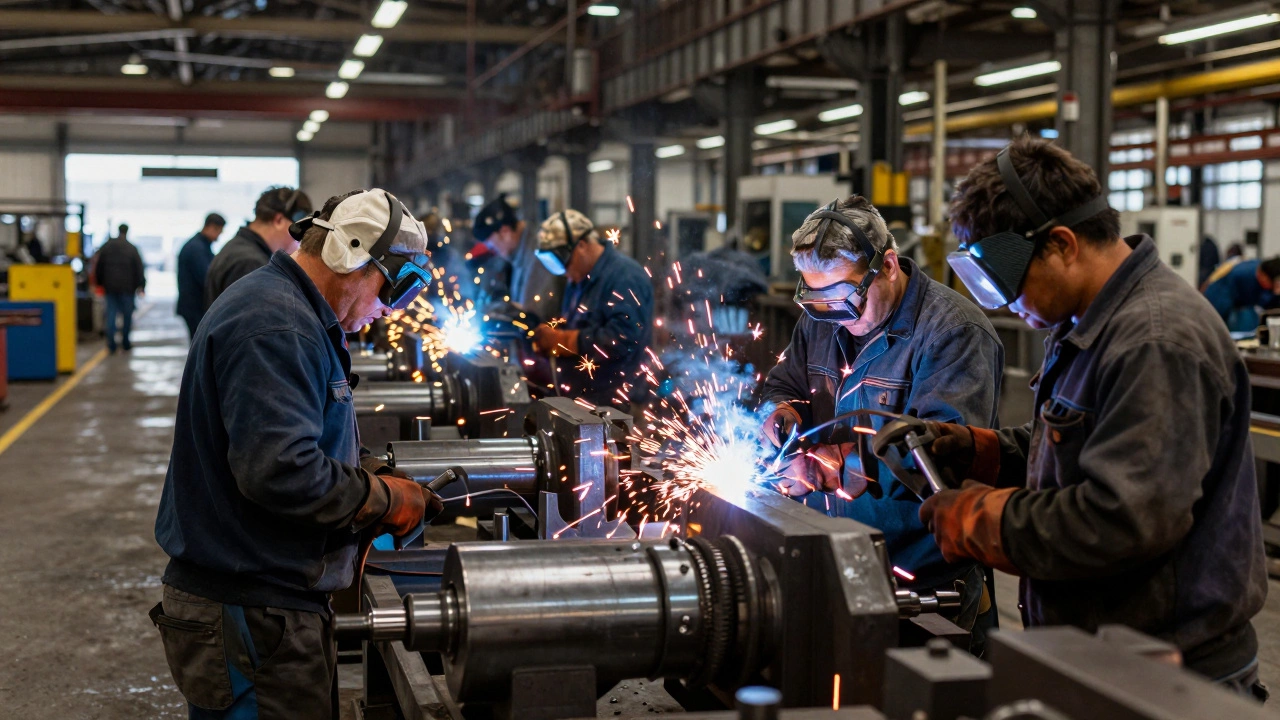
If you are looking for labor markets or workforce availability, the ranking changes significantly. States in the Midwest and Rust Belt still employ the most workers in manufacturing. These areas have deep roots in traditional heavy industry. They offer skilled labor pools trained in welding, machining, and assembly.
| State | Est. Manufacturing Jobs | Key Industries | Avg. Hourly Wage |
|---|---|---|---|
| California | ~1.1 million | Electronics, Food, Aerospace | $32+ |
| Texas | ~1.0 million | Petrochemicals, Machinery | $28+ |
| Ohio | ~700,000 | Automotive, Metals | $26+ |
| Michigan | ~650,000 | Automobiles, Parts | $29+ |
| Pennsylvania | ~600,000 | Food, Chemicals, Steel | $27+ |
Michigan is the heart of the auto industry. Even with electric vehicle transitions, it retains huge employment numbers. Pennsylvania offers a balanced mix of food processing and heavy manufacturing. These states provide stable, unionized workforces that are essential for large-scale production.
Why Location Matters for Your Business
Choosing a manufacturing location isn't just about picking the biggest state. You need to consider logistics, talent, and costs. Each state offers unique advantages depending on your product type. For example, if you make semiconductors, California's Silicon Valley ecosystem is unmatched. If you build trucks, Michigan provides proximity to suppliers and skilled mechanics.
Logistics play a huge role. States near major ports or rail hubs reduce shipping costs. Louisiana benefits from Gulf Coast ports for chemical exports. Georgia uses its central location and port of Savannah for global distribution. You should map your supply chain before committing to a site.
Government Incentives and Support
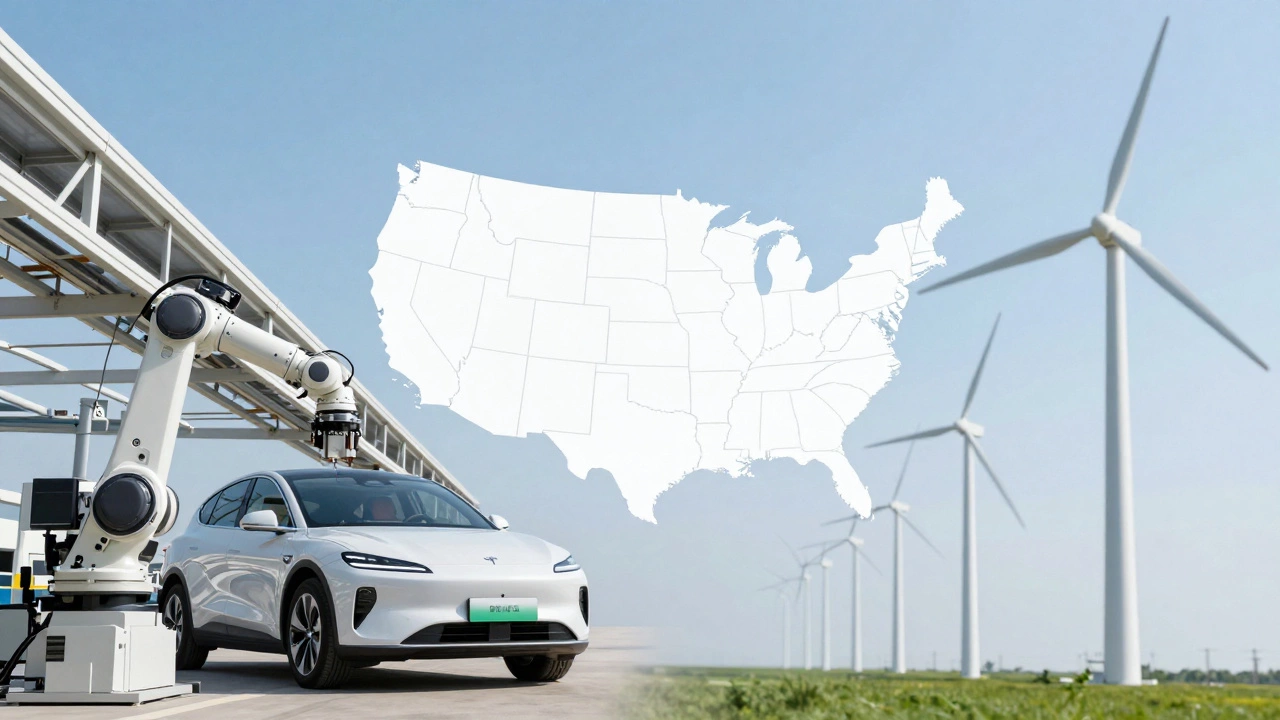
Many states offer financial incentives to attract manufacturers. These can include tax breaks, grants, and infrastructure support. The federal government also plays a role through acts like the CHIPS and Science Act, which directs billions to semiconductor manufacturing. States compete aggressively to capture these federal funds.
Tennessee and South Carolina have successfully lured major automakers with generous incentive packages. They offer low taxes and cooperative regulatory environments. When evaluating options, check each state's economic development agency website for current programs. Always calculate the net benefit after accounting for operational costs.
Future Trends in US Manufacturing
The future of US manufacturing looks bright but changing. Automation is reducing the need for manual labor while increasing output per worker. This means states with high automation rates may see rising output despite flat job growth. Reshoring is another trend. Companies are bringing production back from overseas to reduce supply chain risks. This benefits states with reliable power grids and skilled technicians.
Sustainability is becoming a priority. Manufacturers face pressure to reduce carbon footprints. States with renewable energy resources, like North Carolina with its wind farms, may become more attractive. Green manufacturing initiatives are gaining traction across all top states.
Which state has the most manufacturing jobs?
California typically has the highest total number of manufacturing jobs, followed closely by Texas and Ohio. However, when adjusted for population size, Midwestern states like Michigan and Indiana often rank higher in job density.
Is California still the top manufacturing state?
Yes, California leads in total manufacturing output value due to its diverse high-tech and food processing industries. It produces more than any other state by dollar amount.
What are the best states for automotive manufacturing?
Michigan is the leader in automotive manufacturing, followed by Ohio, Indiana, and Alabama. These states have extensive supplier networks and skilled labor forces dedicated to vehicle production.
How do government incentives affect manufacturing locations?
Incentives such as tax credits, land grants, and infrastructure improvements can significantly lower startup costs. States like Tennessee and South Carolina use these tools to attract large-scale factories, especially in the EV sector.
Will automation reduce manufacturing jobs in the US?
Automation will likely shift the nature of jobs rather than eliminate them entirely. While manual roles may decrease, demand for technicians, engineers, and maintenance staff will grow. Output per worker is expected to rise.