Manufacturer Status Checker
Answer the questions below to assess your likely business classification.
1. Production Process
2. Origin & Value
Your Likely Status:
Key Implications
Important Warnings
You built it. You packaged it. You sold it at the local market or on Etsy. But when you fill out that tax form or apply for a wholesale account, do you actually qualify as a manufacturer? It’s a question that trips up countless small-scale entrepreneurs in Sydney and beyond. The line between "maker" and "manufacturer" isn’t just semantic-it dictates your taxes, your liability, and whether you can legally slap a "Made in Australia" label on your goods.
Most people think being a manufacturer means owning a factory with smokestacks and assembly lines. That’s outdated thinking. In today’s economy, if you’re transforming raw materials into a finished product, you’re likely engaging in manufacturing activities, regardless of your garage size. This guide breaks down exactly what qualifies you, where the grey areas lie, and how to ensure you’re compliant without drowning in paperwork.
The Core Definition: Transformation is Key
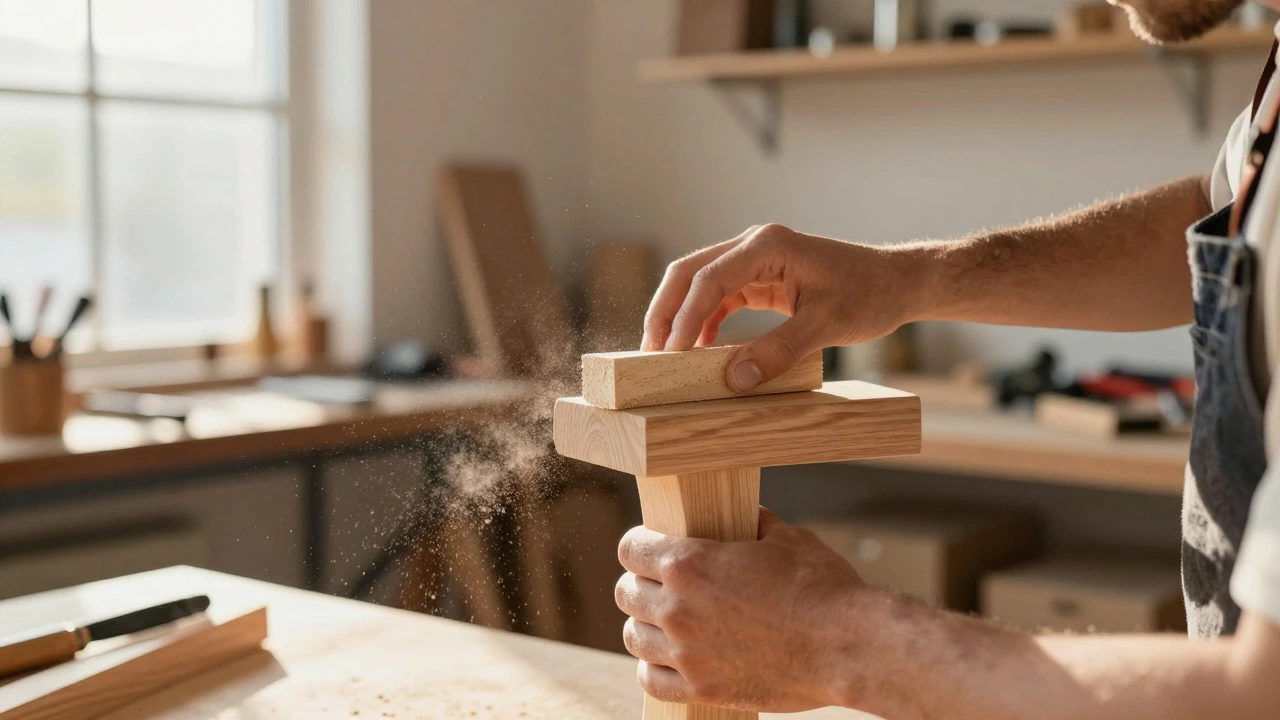
At its simplest, manufacturing involves converting raw materials or components into new products through physical, chemical, or mechanical processes. If you buy wood, cut it, sand it, and varnish it into a chair, you are manufacturing. If you buy a pre-made chair, paint it blue, and sell it, you are likely acting as a retailer or a finisher, not necessarily a primary manufacturer in the eyes of many regulators.
This distinction matters because regulations often hinge on the substantial transformation of the good. For example, assembling a bicycle from imported parts might qualify you as an assembler, but casting the metal frame yourself makes you a steel manufacturer. The Australian Bureau of Statistics (ABS) defines manufacturing broadly to include any activity that transforms inputs into outputs, but specific industry codes (ANZSIC) narrow this down based on the level of processing.
| Activity Type | Action | Typical Classification |
|---|---|---|
| Raw Material Processing | Cutting, molding, baking, weaving | Manufacturer |
| Assembly | Joining pre-made components | Assembler / Light Manufacturer |
| Repackaging | Buying bulk, splitting into smaller units | Retailer / Distributor |
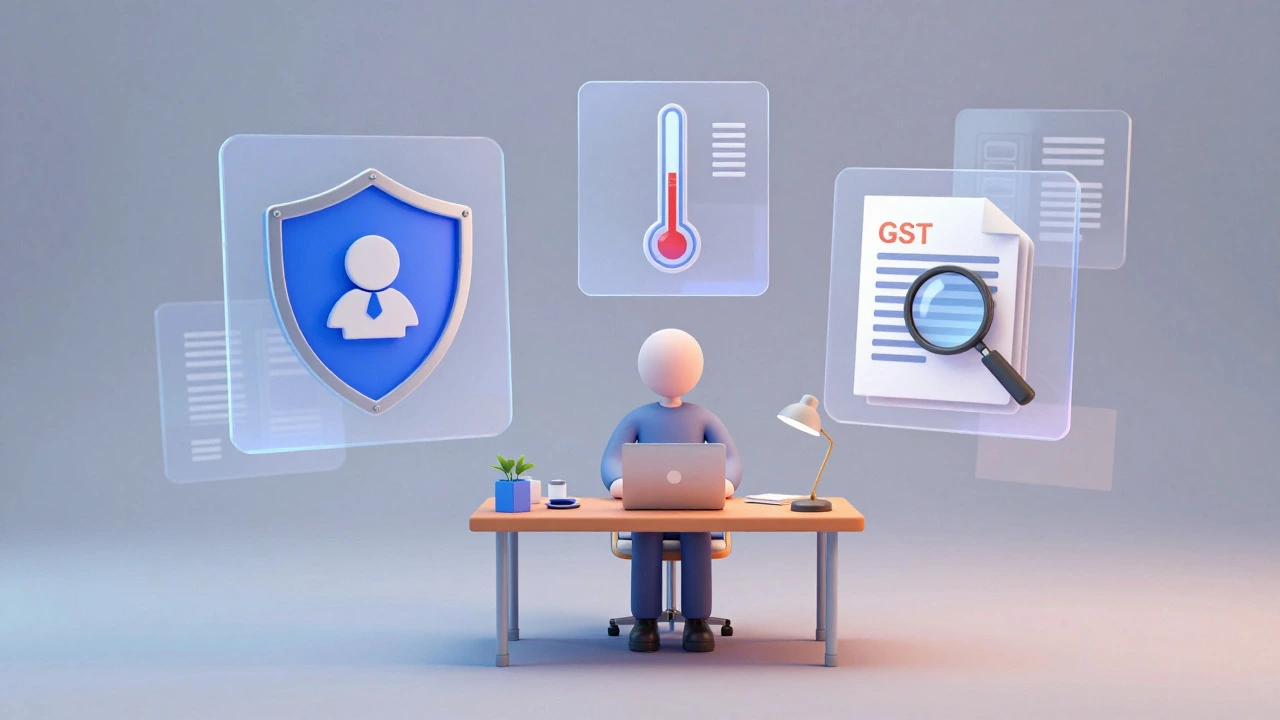
Tax Implications: GST and Income Tax
If you classify yourself as a manufacturer, your tax obligations shift. In Australia, if your annual turnover exceeds $75,000, you must register for Goods and Services Tax (GST). But here’s the catch: manufacturers often deal with input credits differently than retailers. When you buy raw materials like cotton fabric or plastic resin, you pay GST on those purchases. As a registered manufacturer, you can claim these back as Input Tax Credits. Retailers who simply resell finished goods also claim credits, but the audit trail for manufacturing requires more detailed records of material usage versus final output.
Furthermore, depreciation rules change. A home-based baker buying a commercial oven can depreciate it over several years, reducing taxable income. A drop-shipper selling third-party candles doesn’t have machinery to depreciate. Understanding your status helps you maximize deductions. Are you claiming capital allowances on equipment? Then you’re walking the walk of a manufacturer.
Regulatory Compliance and Safety Standards
This is where things get serious. If you manufacture consumer goods, you are responsible for their safety under the Australian Consumer Law (ACL). Unlike a retailer who might argue they didn’t make the defect, a manufacturer bears the brunt of liability for design or production flaws. For instance, if you manufacture children’s toys, you must comply with mandatory safety standards regarding small parts and toxic paints. If you import them, you still carry significant responsibility, but proving you manufactured them locally can sometimes simplify compliance narratives if you control the supply chain tightly.
Food manufacturers face even stricter scrutiny. If you bake cookies in your home kitchen, you need to meet food safety standards set by your local council and Food Standards Australia New Zealand (FSANZ). You aren’t just "making cookies"; you are operating a food manufacturing business. This requires a Food Business Registration, potentially a HACCP plan, and regular inspections. Ignoring this because "it’s just my kitchen" is a common pitfall that leads to fines.
Labeling Requirements: Can You Say "Made in Australia"?
Consumers love local products, but the law is strict about claims. To label a product "Made in Australia," at least 50% of the production costs must occur within Australia, and the last substantial transformation must happen here. If you import a ceramic mug and print a logo on it, you cannot claim it’s made in Australia. You made the decoration, not the mug. However, if you cast the clay, fire it, glaze it, and decorate it, you’re golden.
For small-scale makers, getting this right prevents misleading conduct charges. The Australian Competition and Consumer Commission (ACCC) actively monitors these claims. If you’re unsure, use phrases like "Designed in Australia" or "Packed in Australia," which have different legal thresholds. Being honest builds trust; being vague invites audits.
Insurance Needs Change with Status
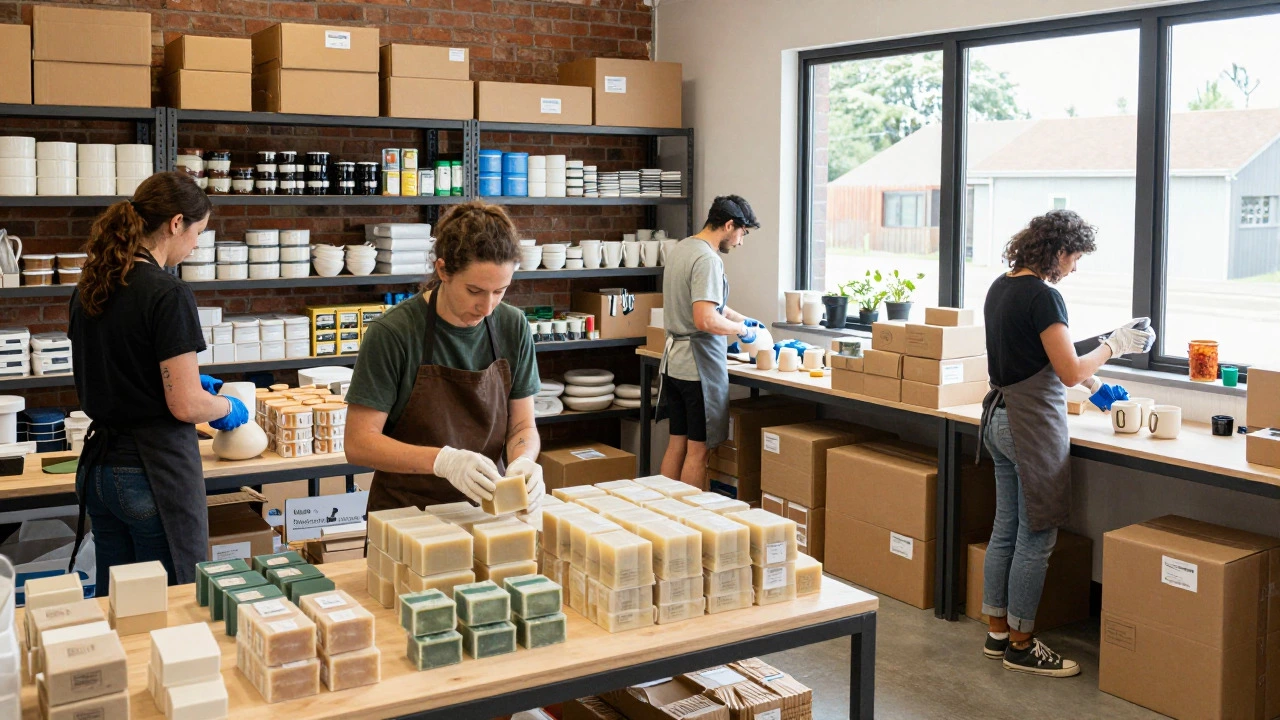
Your insurance provider needs to know if you are a manufacturer. Standard public liability insurance covers you if a customer trips in your shop. Product liability insurance covers you if your product hurts someone. As a manufacturer, you need both. Why? Because the risk profile is higher. A faulty batch of handmade soap could cause allergic reactions across hundreds of customers. A retailer selling that same soap shares some liability, but as the creator, you hold the primary duty of care.
Many small businesses skip product liability insurance until they land a big contract. Don’t wait. One lawsuit can bankrupt a small-scale operation. Check with your broker specifically for "manufacturing premises" coverage, which includes protection for your tools, inventory, and potential environmental hazards like chemical spills.
When Are You NOT a Manufacturer?
It’s equally important to know when you don’t fit the box. If you are primarily a service provider-like a tailor who alters clothes rather than making them from scratch-you might be classified under services rather than manufacturing. Similarly, if you curate vintage items and resell them, you’re a retailer. Misclassifying yourself can lead to paying unnecessary levies or missing out on grants designed for genuine producers.
Consider the "value-add" test. How much value did you add? If you bought a t-shirt for $5, printed a design on it, and sold it for $15, you added value, but did you transform the base good enough to be a manufacturer? Legally, printing is often considered a finishing process. However, for business planning purposes, treating yourself as a micro-manufacturer helps you organize your workflow around production efficiency rather than just sales volume.
Practical Steps to Confirm Your Status
So, how do you lock this down? First, check your ANZSIC code. The ABS provides a search tool where you describe your business activities, and it suggests the correct classification. Second, consult your accountant. They can review your expense structure to see if it aligns with manufacturing norms. Third, talk to your local council. Their zoning laws will tell you if your home-based setup counts as industrial or residential commercial use.
- Audit your process: List every step from raw material purchase to final sale. Identify where transformation occurs.
- Review contracts: If you sell to wholesalers, do they treat you as a supplier of goods or a service provider?
- Check licenses: Do you need a specific manufacturing license for your industry (e.g., pharmaceuticals, food)?
Being clear about your status isn’t just bureaucratic red tape. It shapes your pricing strategy, your marketing message, and your legal shield. If you’re truly manufacturing, own it. Highlight the craftsmanship. Leverage the "local maker" advantage. But do so with the confidence that comes from knowing you’ve ticked the right boxes.
Do I need to register as a manufacturer if I work from home?
Yes, if your activity meets the definition of manufacturing. Home-based businesses still require business registration with the Australian Securities and Investments Commission (ASIC) and may need local council permits depending on noise, traffic, and storage levels. The location doesn't change the nature of the work.
What is the difference between a manufacturer and a distributor?
A manufacturer creates the product from raw materials or components. A distributor buys finished goods from manufacturers and sells them to retailers or consumers. Manufacturers bear production risks; distributors bear inventory and logistics risks.
Can I claim GST credits on all my manufacturing expenses?
Generally, yes, if you are registered for GST and the expenses are directly related to your taxable supplies. This includes raw materials, machinery, and utilities used in production. Personal use portions must be excluded.
Does hiring one employee make me a large manufacturer?
No. Size is determined by revenue and asset value, not just headcount. Small scale manufacturing typically refers to businesses with fewer than 100 employees and limited capital investment, regardless of whether you have zero or five staff.
What happens if I mislabel my product as 'Made in Australia'?
You risk penalties for misleading conduct under the Australian Consumer Law. The ACCC can issue infringement notices with significant fines. Always verify that at least 50% of production costs occurred locally before using the claim.