Ultra-Processed Food Risk Calculator
Estimate your weekly exposure to ultra-processed foods based on common dietary habits.
Personalized Tips:
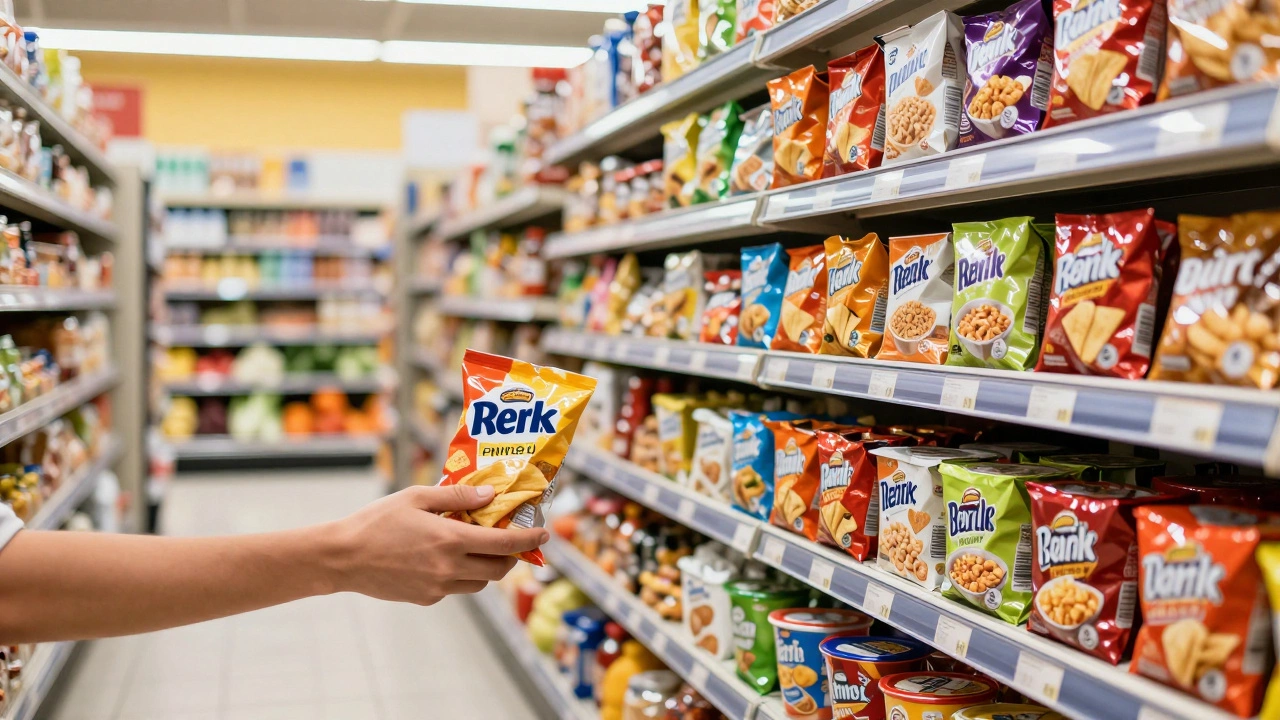
Walk down any supermarket aisle, and you are surrounded by choices that look delicious but might be quietly damaging your health. We all know that eating too much sugar or fried food isn't great for us. But if you had to pick just one category of food as the absolute worst offender-the number one unhealthiest food-what would it be? It is not a single item like a donut or a soda. The real culprit is a broad category known as ultra-processed foods, which includes industrial formulations made with ingredients rarely found in home kitchens, such as hydrogenated oils, high-fructose corn syrup, and artificial additives.
These products dominate our diets because they are cheap, convenient, and engineered to be hyper-palatable. They come out of massive food processing units designed to extend shelf life and maximize profit margins, often at the expense of nutritional value. When we talk about the "unhealthiest" food, we are talking about these industrial creations that have stripped away fiber, vitamins, and minerals, replacing them with empty calories and synthetic compounds.
The Problem with Ultra-Processed Foods
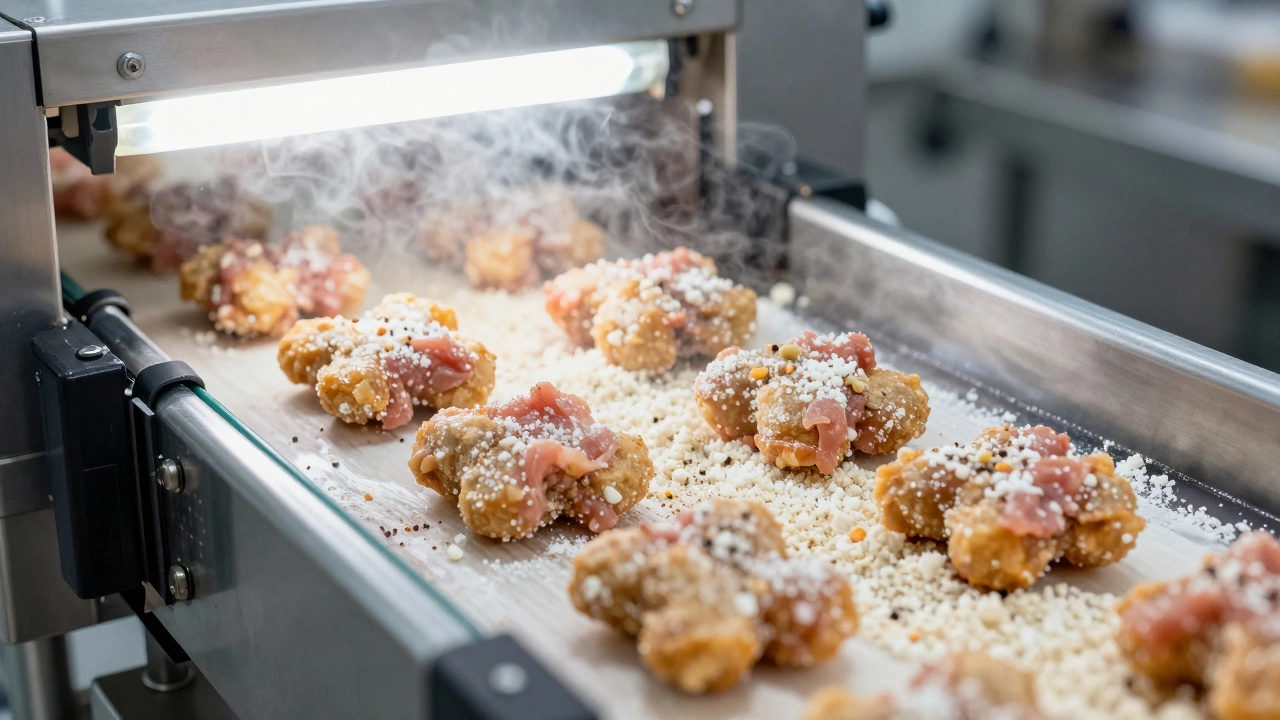
To understand why this category takes the top spot, we need to look at how these foods are made. Unlike simple processed foods, such as canned beans or sliced cheese, ultra-processed items undergo multiple industrial steps. Think about a mass-produced chicken nugget. It starts with meat, but then it gets mixed with starches, flavor enhancers, preservatives, and coatings before being frozen. By the time it reaches your plate, it is barely recognizable as its original ingredient.
The danger lies in the formulation. These foods are designed to trigger reward centers in the brain, similar to how drugs work. They combine fat, sugar, and salt in ratios that nature rarely produces. This combination makes it incredibly difficult to stop eating them. You might find yourself finishing an entire bag of chips or a box of cookies without feeling full. This is because they lack the physical bulk and fiber that signal satiety to your body.
Research published in major journals has linked high consumption of ultra-processed foods to a wide range of health issues. These include obesity, type 2 diabetes, cardiovascular disease, and certain types of cancer. A study from Harvard T.H. Chan School of Public Health found that people who replaced just 10% of their ultra-processed food intake with unprocessed alternatives had a significantly lower risk of overall mortality. The numbers are stark: the more you eat from this category, the higher your health risks climb.
Specific Offenders Within the Category
While ultra-processed foods as a group are the biggest threat, some items within this group are worse than others. If you want to identify specific examples of the number one unhealthiest foods, look for these common culprits:
- Processed Meats: Items like bacon, sausages, hot dogs, and deli meats are classified by the World Health Organization as Group 1 carcinogens. This means there is sufficient evidence that they cause cancer, particularly colorectal cancer. They are loaded with nitrates and sodium, which damage blood vessels and increase blood pressure.
- Sugary Beverages: Sodas, energy drinks, and sweetened teas deliver a massive dose of liquid sugar without any nutrients. Because they are liquids, they do not trigger the same fullness signals as solid food, leading to overconsumption of calories. Regular consumption is strongly linked to fatty liver disease and insulin resistance.
- Fast Food Burgers and Fries: These are typically cooked in reused oils and served with buns made from refined white flour. They are high in trans fats (if partially hydrogenated oils are used) and sodium, contributing to inflammation and heart disease.
- Packaged Snacks: Chips, crackers, and candy bars are engineered for maximum taste and minimum cost. They often contain palm oil, artificial colors, and monosodium glutamate (MSG) to enhance flavor, while providing little to no nutritional benefit.
How Food Processing Units Create These Products
The existence of these unhealthy options is directly tied to modern food manufacturing processes. Large-scale facilities use techniques that prioritize efficiency and consistency over health. For example, extrusion cooking allows manufacturers to create crispy snacks from cheap grains like corn or wheat. This process involves forcing dough through a machine under high heat and pressure, resulting in a product that expands and crisps up instantly.
Another technique is hydrogenation, where liquid vegetable oils are turned into semi-solid fats to improve texture and shelf stability. While fully hydrogenated fats are less harmful, partially hydrogenated oils contain trans fats, which are notoriously bad for heart health. Many countries have banned trans fats, but manufacturers still use other methods to achieve similar textures, often relying on refined seed oils that are high in omega-6 fatty acids, which can promote inflammation when consumed in excess.
Packaging also plays a role. To keep these products fresh for months or even years, manufacturers add preservatives like sodium benzoate and potassium sorbate. While generally recognized as safe in small amounts, the cumulative effect of consuming multiple preserved products daily is still being studied. Some studies suggest that certain food dyes and preservatives may contribute to hyperactivity in children and gut microbiome disruption in adults.
| Processing Level | Examples | Health Impact | Typical Ingredients |
|---|---|---|---|
| Unprocessed | Fresh fruits, vegetables, raw nuts | Highly beneficial; rich in nutrients and fiber | Natural whole foods |
| Minimally Processed | Canned beans, frozen vegetables, plain yogurt | Generally healthy; minor nutrient loss possible | Whole food + water/salt/oil |
| Processed Culinary Ingredients | Oils, butter, sugar, jam | Neutral to negative depending on quantity | Extracted from plants/animals |
| Ultra-Processed | Soda, chips, instant noodles, packaged bread | Negative; linked to chronic diseases | Industrial additives, flavors, preservatives |
Reading Labels to Avoid the Worst Foods
You do not need to be a nutritionist to spot unhealthy foods. The key is to read the ingredient list. If you see long strings of words you cannot pronounce, or if the list is longer than five ingredients, it is likely an ultra-processed product. Look for red flags like high-fructose corn syrup, maltodextrin, modified food starch, and artificial colors.
Also, check the order of ingredients. Ingredients are listed by weight, so the first few items make up the majority of the product. If sugar, salt, or refined flour is near the top, the product is likely low in nutritional value. Instead of relying on front-of-package claims like "natural" or "low-fat," focus on what is actually inside. A cookie labeled "made with natural ingredients" can still be packed with sugar and refined flour.
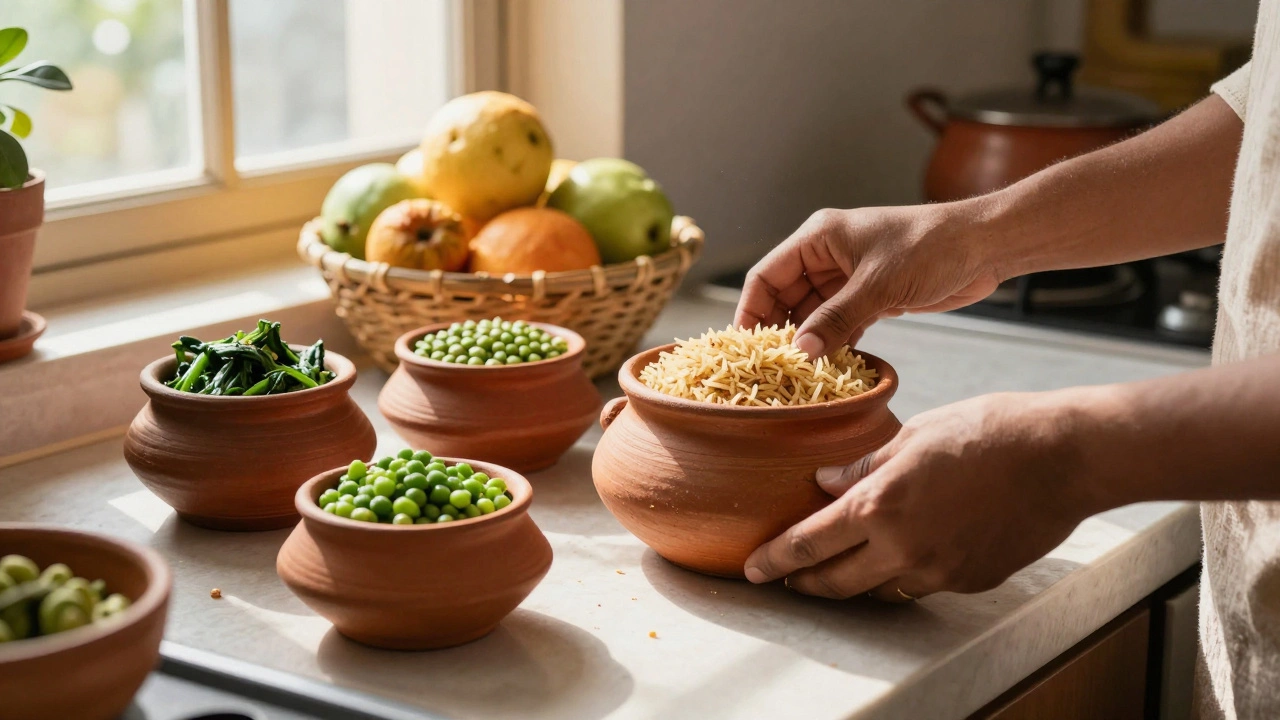
Another strategy is to cook more meals at home. When you prepare food yourself, you control the ingredients. You can choose whole grains instead of refined flour, olive oil instead of seed oils, and fresh herbs instead of salt-heavy seasoning packets. Even small changes, like swapping white rice for brown rice or adding vegetables to pasta sauce, can significantly reduce your intake of ultra-processed items.
The Psychological Aspect of Unhealthy Eating
It is important to acknowledge that avoiding the number one unhealthiest food is not just about willpower. The food industry spends billions of dollars on marketing to target vulnerable populations, including children and low-income communities. Ads for sugary cereals and fast food are everywhere, creating cravings that are hard to resist. Additionally, these foods are often cheaper per calorie than fresh produce, making them an attractive option for those on a tight budget.
Environmental factors matter too. If you live in a food desert-an area with limited access to affordable and nutritious food-you may rely heavily on convenience stores that stock mostly ultra-processed items. Addressing this issue requires systemic changes, such as subsidies for fresh produce and stricter regulations on food marketing. On a personal level, planning meals ahead of time and keeping healthy snacks on hand can help you avoid impulse buys.
Making Better Choices Without Perfection
No one expects you to eliminate every processed food from your diet overnight. That approach is unrealistic and can lead to guilt and bingeing. Instead, aim for gradual improvement. Start by identifying one or two ultra-processed items you consume frequently and finding healthier alternatives. For example, swap soda for sparkling water with lemon, or replace potato chips with air-popped popcorn seasoned with herbs.
Focus on adding good foods rather than just restricting bad ones. Fill half your plate with vegetables and fruits at each meal. Include lean proteins like chicken, fish, or legumes. Choose whole grains like oats, quinoa, or brown rice. As you fill up on nutrient-dense foods, you will naturally have less room for the number one unhealthiest food category. Over time, your taste buds will adjust, and you may find that ultra-processed foods taste overly sweet or salty compared to whole foods.
Remember that occasional treats are fine. The goal is not perfection but balance. If you enjoy a slice of pizza or a piece of cake now and then, it is unlikely to harm your health if the rest of your diet is balanced. The problem arises when these foods become the staple of your diet. By understanding what makes certain foods unhealthy and where they come from, you can make informed decisions that support your long-term well-being.
Is there one single food that is the unhealthiest?
No, there is no single "worst" food. Health impacts depend on portion size and frequency of consumption. However, categories like ultra-processed meats and sugary beverages consistently rank as the most harmful due to their link to chronic diseases like cancer and diabetes.
Are all processed foods bad for you?
Not all processed foods are unhealthy. Minimally processed items like frozen vegetables, canned beans, and plain yogurt can be part of a healthy diet. The term "ultra-processed" refers specifically to industrial formulations with many additives, which are the main concern.
Why are ultra-processed foods so addictive?
They are engineered to be hyper-palatable, combining optimal levels of fat, sugar, and salt. This combination triggers dopamine release in the brain, similar to drug addiction, making it hard to stop eating them despite feeling full physically.
How can I tell if a food is ultra-processed?
Check the ingredient list. If it contains five or more ingredients, especially those you wouldn't find in a home kitchen (like high-fructose corn syrup, hydrogenated oils, or artificial flavors), it is likely ultra-processed. Long lists of unrecognizable chemicals are a strong indicator.
What are the health risks of eating processed meats?
Processed meats like bacon and hot dogs are linked to an increased risk of colorectal cancer and heart disease. They are high in sodium and often contain nitrates, which can form harmful compounds in the body. Limiting intake to occasional treats is recommended.
Can I lose weight by cutting out ultra-processed foods?
Yes, reducing ultra-processed foods often leads to weight loss. These foods are calorie-dense but not filling, leading to overeating. Replacing them with whole foods increases satiety and reduces overall calorie intake naturally, without strict counting.