Small-Scale Manufacturing Opportunity Analyzer
Sustainable Packaging
Molded pulp, bamboo, compostable mailers.
Very High Growth Medium InvestmentSpecialized Food
Nut butters, dehydrated foods, plant-based.
High Demand Strict RegulationsCustom Electronics
Enclosures, repair kits, IoT components.
Steady B2B High Skill Req.Natural Cosmetics
Soaps, balms, serums, diffusers.
Low Barrier Brand FocusedAnalysis Report
It’s June 2026, and the global supply chain looks nothing like it did five years ago. The days of massive, centralized factories shipping everything across oceans are fading for many consumer goods. Instead, we’re seeing a surge in localized, agile production. If you’re looking to start a small scale manufacturing business, the question isn’t just “what can I make?” but “what does the market desperately need right now?”
The most in-demand manufacturing sectors today share three traits: they solve immediate logistical problems, they cater to specific health or sustainability trends, and they require relatively low capital to start. You don’t need a billion-dollar plant to succeed; you need a niche that’s growing faster than big corporations can pivot to fill it.
Why Localized Production is Winning Right Now
Big manufacturers are slow. When a trend hits-like the sudden demand for home office ergonomics during the remote work boom-it takes giants months to retool their lines. Small manufacturers can do it in weeks. This agility is your biggest asset.
In 2026, consumers and B2B buyers are prioritizing speed and transparency over rock-bottom prices. They want to know where their products come from. They want shorter delivery times. This shift has created a vacuum for small-scale producers who can offer “near-shoring” advantages. You aren’t just selling a product; you’re selling reliability and reduced carbon footprint.
Consider the electronics repair market. Instead of buying new devices, people are fixing old ones. This creates a massive demand for replacement parts-screens, batteries, connectors-that can be assembled locally rather than shipped from overseas. It’s a perfect example of how macro-trends create micro-opportunities.
Top High-Demand Sectors for Small Manufacturers
Not all niches are equal. Some are saturated, while others are exploding. Here are the top areas where small-scale manufacturing is seeing the highest growth and profit margins in 2026.
1. Sustainable Packaging Alternatives
Plastic bans have moved from proposed legislation to strict enforcement in many regions. Businesses are scrambling to find alternatives to single-use plastics for food service, e-commerce, and retail. This is perhaps the hottest sector for small manufacturers right now.
You don’t need to invent a new material. You can manufacture packaging using existing eco-friendly substrates:
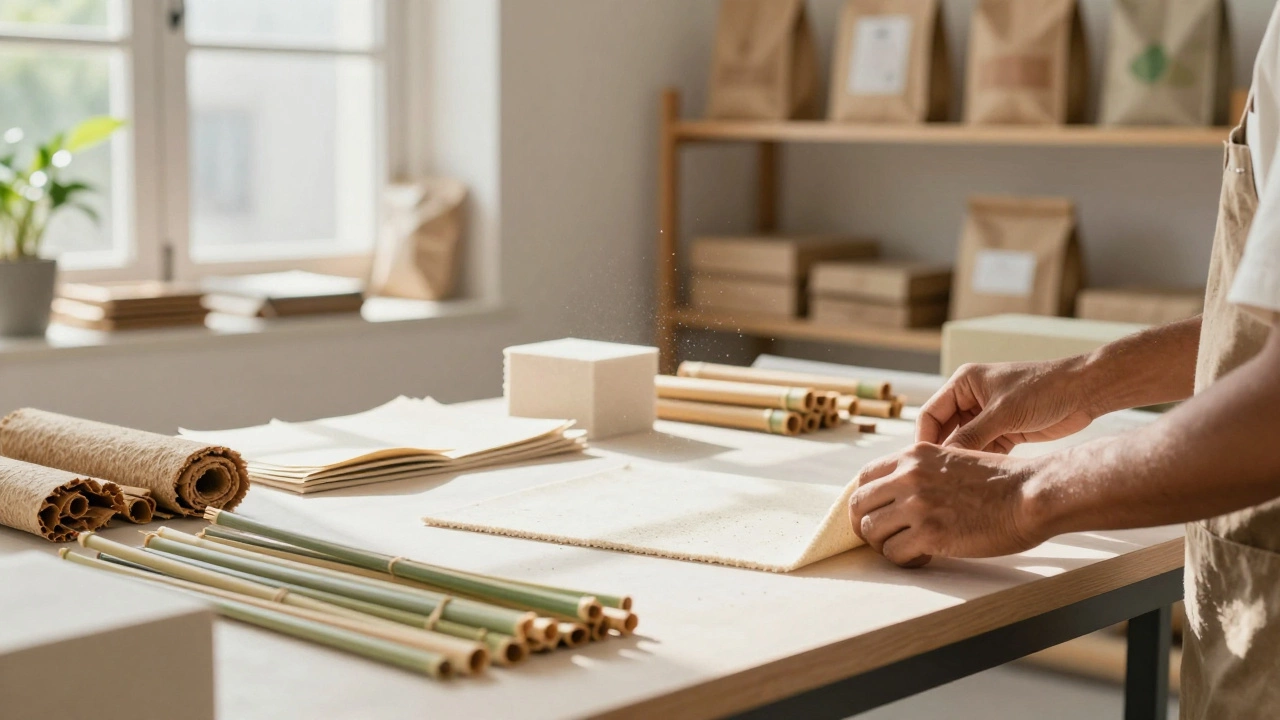
- Molded Pulp: Using recycled paper waste to create protective inserts for electronics or egg cartons. The machinery is affordable, and the raw material is often cheap or free.
- Bamboo Fiber Products: Cutting and shaping bamboo into cutlery, straws, and containers. Bamboo grows fast, requires little water, and is naturally antimicrobial.
- Compostable Mailers: Extruding biodegradable polymers (like PLA) into shipping bags. E-commerce businesses are under pressure to go green, making them eager buyers.
The barrier to entry here is moderate, but the demand is relentless. Every online store needs packaging, and every restaurant needs takeout containers. If you can certify your products as compostable, you unlock a premium pricing tier.
2. Specialized Food Processing
People are eating differently. The rise of specific dietary needs-keto, vegan, gluten-free, and allergen-free-has fragmented the food market. Large food companies struggle to produce small batches of highly specialized ingredients without cross-contamination risks. Small manufacturers thrive here.
Think about value-added processing:
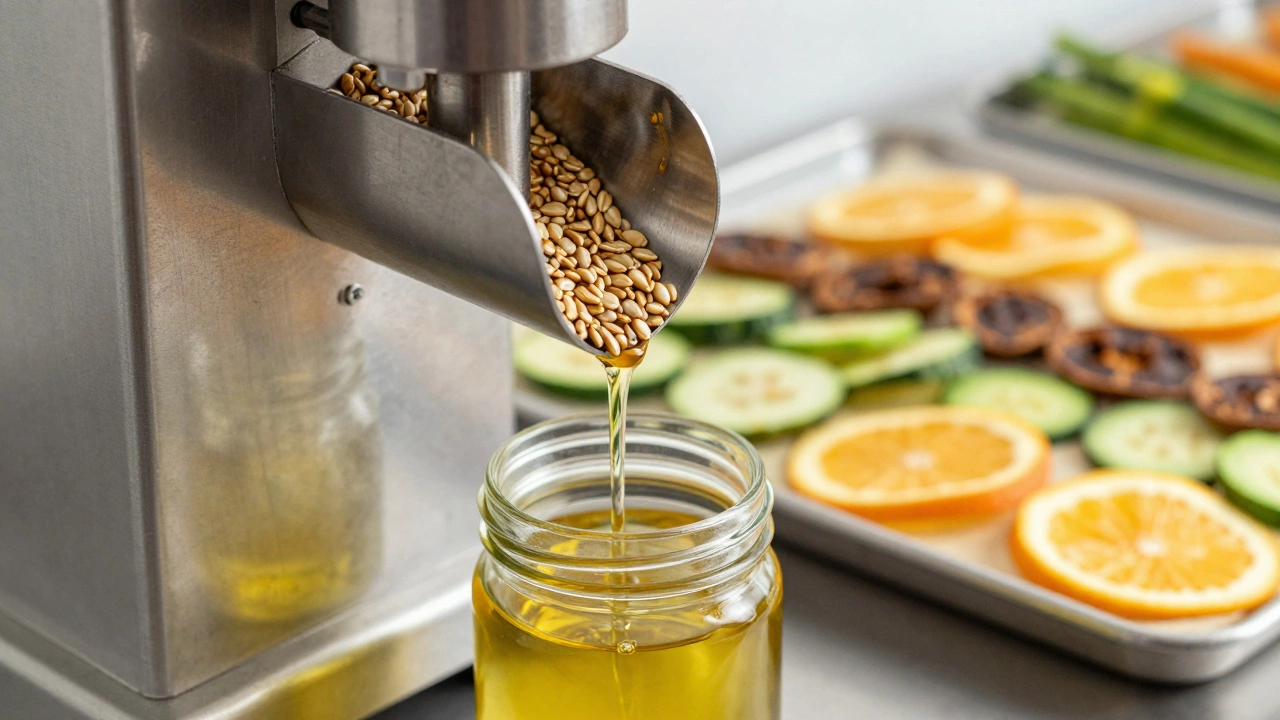
- Nut Butters and Oils: Cold-pressing oils from local seeds (like pumpkin or flax) or grinding nuts into artisanal butters. The equipment is simple: a grinder, a press, and sealing machines.
- Dehydrated Foods: Making fruit leathers, vegetable chips, or meal-prep friendly dehydrated soups. Dehydration extends shelf life significantly, reducing waste and allowing for wider distribution.
- Plant-Based Meat Extenders:**: Producing textured vegetable protein (TVP) or mushroom-based meat alternatives. As meat prices fluctuate, consumers look for cheaper, sustainable substitutes.
The key here is certification. You’ll need to comply with local food safety regulations, which adds complexity, but also protects you from competition by hobbyists who can’t meet the standards.
3. Custom Electronics Enclosures and Components
The IoT (Internet of Things) boom hasn’t slowed down. Smart homes, smart agriculture, and wearable tech are everywhere. However, most off-the-shelf enclosures are generic plastic boxes. Engineers and startups need custom-fit, durable, and aesthetically pleasing housings for their prototypes and small-batch products.
If you have access to CNC machining or injection molding (even small desktop units), this is a lucrative B2B service. You’re not selling the electronics; you’re selling the shell that makes them sellable.
Additionally, there’s a growing market for repair kits. With right-to-repair laws gaining traction globally, consumers want to fix their gadgets. Manufacturing standardized screw sets, adhesive strips, and screen replacement tools is a low-complexity, high-volume opportunity.
4. Personal Care and Natural Cosmetics
The beauty industry is shifting towards “clean” ingredients. Consumers are skeptical of long chemical lists. Small manufacturers can formulate and package soaps, balms, serums, and shampoos using natural, locally sourced ingredients.
This sector benefits from strong branding. A bar of soap made with local lavender and packaged in recycled cardboard can command a higher price than a mass-produced equivalent because of the story behind it.
Key products include:
- Solid Shampoos and Conditioners: Lightweight, travel-friendly, and plastic-free.
- Lip Balms and Body Butters: Low ingredient count, easy to manufacture, high margin.
- Aromatherapy Diffuser Blends: Mixing essential oils for home use.
Regulations here are strict regarding labeling and claims, so investing in legal compliance early is crucial. But once you’re set up, the recurring revenue model of consumable products provides stability.
| Industry | Initial Investment | Technical Skill Required | Market Growth Trend | Primary Challenge |
|---|---|---|---|---|
| Sustainable Packaging | Medium ($5k - $20k) | Low-Medium | Very High | Certification costs |
| Specialized Food Processing | Medium ($10k - $30k) | Medium | High | Strict hygiene regulations |
| Custom Electronics Parts | High ($20k+) | High | Steady | Precision requirements |
| Natural Cosmetics | Low ($2k - $10k) | Low | High | Brand differentiation |
How to Validate Your Idea Before Spending Money
Don’t buy machinery until you’ve sold the first unit. Or at least, until you have a signed letter of intent. Validation is the most critical step in small-scale manufacturing.
- Check Import Data: Use tools like Panjiva or ImportGenius to see what similar products are being imported into your country. If imports are rising, domestic production might be lacking, creating an opportunity.
- Talk to Potential Buyers: If you’re thinking of making packaging, talk to local e-commerce sellers. Ask them what their current pain points are. Is their current supplier too slow? Too expensive? Unreliable?
- Prototype Cheaply: Make ten units by hand or with minimal tools. Sell them on Etsy, Amazon Handmade, or directly to local businesses. Gauge feedback. Do people care about the material? The design? The price?
- Analyze Competitors’ Reviews: Look at the one-star reviews of existing products in your niche. What are customers complaining about? That’s your roadmap for improvement.

Common Pitfalls to Avoid
Many small manufacturing ventures fail not because of bad products, but because of operational blind spots.
Underestimating Regulatory Hurdles: Whether it’s FDA approval for food, UL listing for electronics, or REACH compliance for chemicals, regulations are real. Ignoring them will shut you down. Budget time and money for compliance from day one.
Scaling Too Fast: Don’t rent a warehouse before you have consistent orders. Start in a garage, a shared workspace, or a small rented room. Scale your space as your revenue scales. Cash flow kills more small businesses than lack of sales.
Neglecting Supply Chain Resilience: Even small manufacturers depend on suppliers. If you rely on a single source for raw materials, you’re vulnerable. Always identify at least two backup suppliers for critical inputs.
Next Steps for Aspiring Manufacturers
If you’re ready to move forward, start narrow. Pick one product, one customer segment, and one channel. Master that before expanding. For example, don’t try to make all types of packaging. Make only molded pulp inserts for smartphone cases. Become the best at that one thing.
Join local manufacturing guilds or maker spaces. Networking with other small producers can lead to shared resources, bulk buying power, and valuable advice. The community aspect of modern manufacturing is stronger than ever.
Finally, embrace digital marketing. Your factory floor is your content engine. Show people how your products are made. Transparency builds trust. In 2026, the story behind the product is often as valuable as the product itself.
What is the easiest small-scale manufacturing business to start in 2026?
The easiest to start is typically natural cosmetics or soaps. The initial investment is low (under $5,000), the technical skills required are minimal, and you can begin production in a home kitchen or small studio. However, you must navigate strict labeling and safety regulations to sell legally.
Is sustainable packaging still a good business idea?
Yes, it is one of the highest-growth sectors. With increasing global bans on single-use plastics, businesses are actively seeking compliant alternatives. The demand outstrips supply in many regions, offering significant opportunities for small manufacturers who can produce molded pulp, bamboo, or compostable mailers.
How much capital do I need to start a small manufacturing business?
It varies widely by industry. Simple assembly or cosmetic blending can start with $2,000-$5,000. More complex processes like food dehydration or plastic extrusion may require $10,000-$30,000 for proper equipment and facility setup. Always budget an additional 20% for unexpected regulatory or maintenance costs.
What are the biggest challenges in small-scale manufacturing?
The biggest challenges are regulatory compliance, supply chain consistency, and cash flow management. Unlike large corporations, small manufacturers have less buffer for delays or mistakes. Building a robust validation process and maintaining lean inventory are critical to survival.
Can I manufacture electronics components at home?
You can assemble simple repair kits or basic PCBs at home, but precision manufacturing like CNC machining or injection molding usually requires a dedicated workshop due to noise, dust, and safety concerns. Starting with a shared maker space is a cost-effective way to access professional equipment without full ownership.