India Tech Growth Estimator
Select a sector to estimate its projected market size impact over the next 5 years, factoring in government incentives and demand drivers mentioned in the article.
Sector Insights
Select a sector and click Calculate to see projected growth metrics.
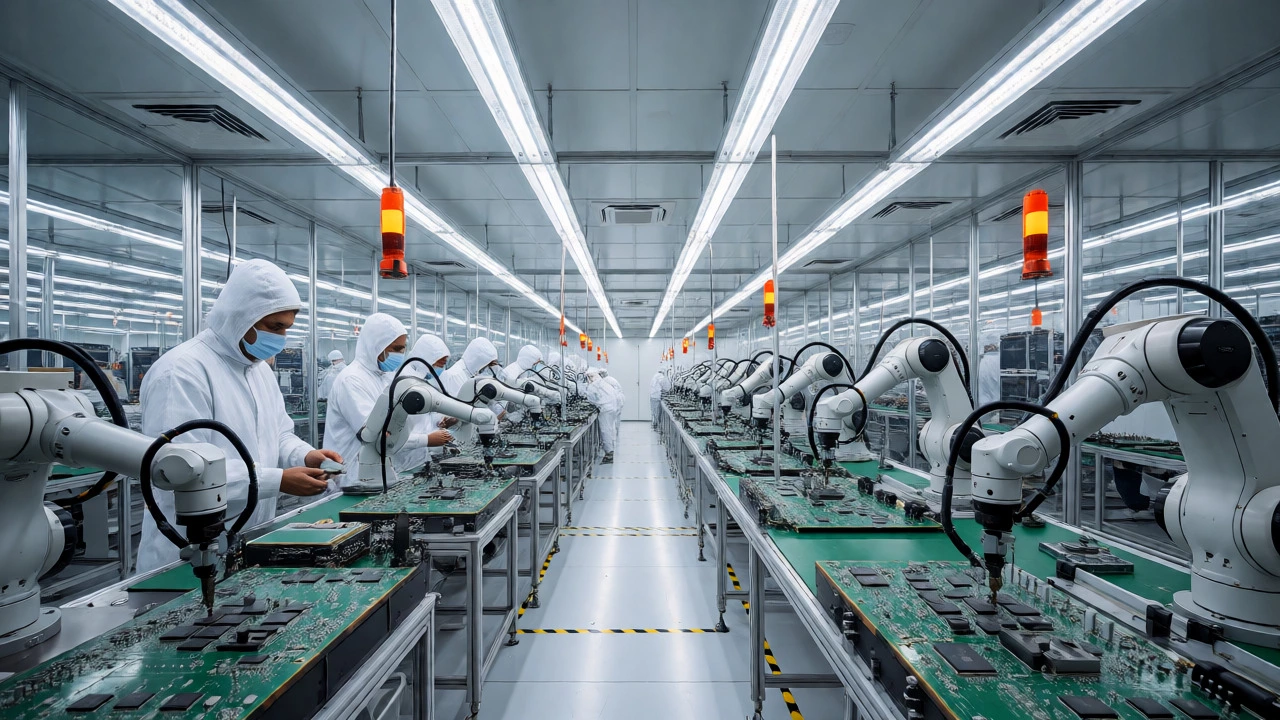
You might think the answer to "what is the fastest growing technology in India" is obvious. Maybe it's AI apps or fintech startups popping up in Bangalore every week. But if you look at where the real money, government muscle, and industrial shift are happening right now, the story changes. The fastest-growing sector isn't just software-it's electronics manufacturing, specifically the push into semiconductors and advanced electronic components. While consumer apps grab headlines, the factory floors of Tamil Nadu, Karnataka, and Gujarat are seeing explosive growth that’s reshaping India’s global position.
Why does this matter to you? If you’re an investor, a job seeker, or someone running a supply chain business, understanding this shift is critical. India isn’t just assembling phones anymore; it’s building the brains behind them. Let’s break down exactly what’s driving this surge, which specific technologies are leading the pack, and how you can capitalize on this trend before the market saturates.
The Big Picture: Why Electronics Is Leading the Charge
India has long been known as a back-office for the world-coding, customer support, and data entry. But that narrative is outdated. As of late 2026, the Ministry of Electronics and Information Technology (MeitY) reports that domestic electronics production has grown at a compound annual growth rate (CAGR) exceeding 15% over the last five years. This outpaces traditional IT services growth by nearly double.
The catalyst? A perfect storm of three factors:
- Geopolitical Shifts: Companies are moving away from China-centric supply chains. The "China Plus One" strategy has made India the primary alternative for hardware manufacturing.
- Government Incentives: The Production Linked Incentive (PLI) scheme isn’t just a buzzword; it’s putting billions of rupees directly into factories that make mobile phones, batteries, and semiconductors.
- Digital Demand: With over 900 million internet users, the demand for affordable smartphones, wearables, and smart home devices is insatiable.
This isn’t theoretical. Look at Foxconn’s expansion in Karnataka or Tata Group’s massive investments in semiconductor packaging. These aren’t small pilots; they are multi-billion dollar commitments signaling that India is becoming a global hardware hub.
Semiconductors: The New Oil of the Digital Age
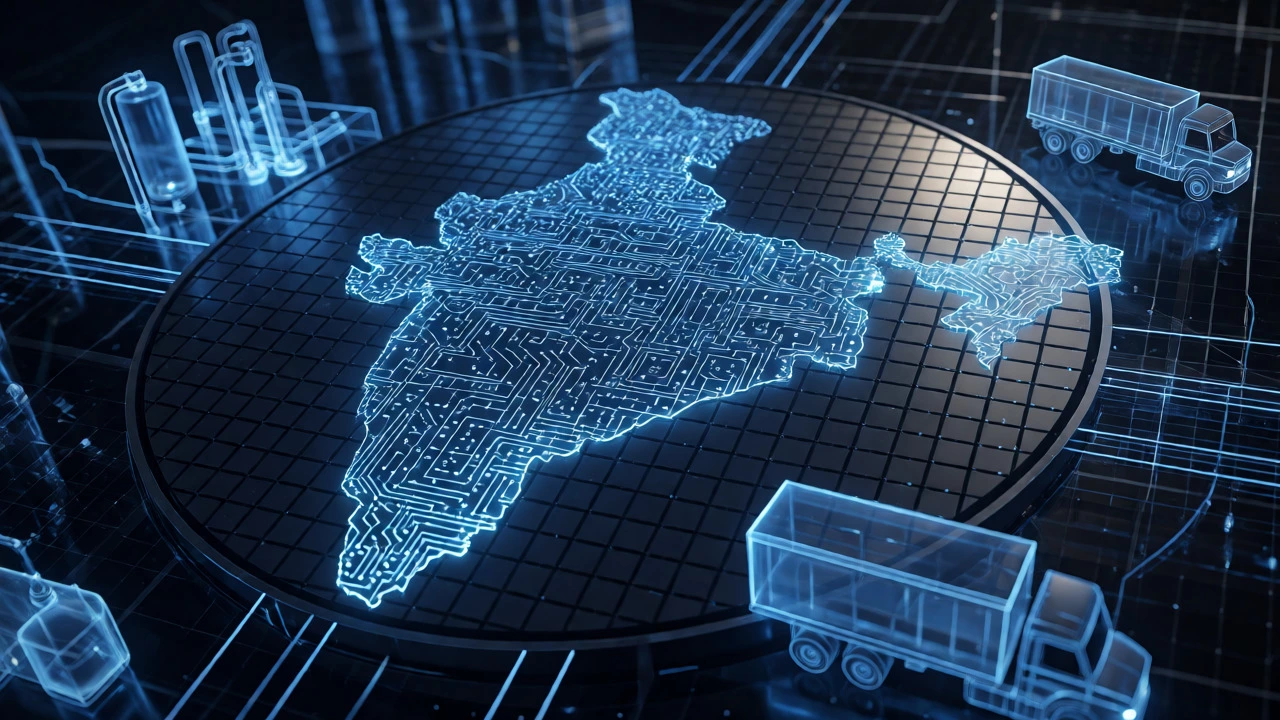
If electronics manufacturing is the engine, semiconductors are the fuel. And India is desperately trying to refine its own supply. Historically, India imported almost 100% of its chips. That dependency was a strategic vulnerability exposed during recent global shortages.
The India Semiconductor Mission (ISM) launched with a $10 billion incentive package to build fabs (fabrication plants) and ATMP units (Assembly, Test, Marking, and Packaging). By October 2026, we are seeing tangible results. Several joint ventures have broken ground in Gujarat and Assam. While full-scale logic chip fabrication is still ramping up, the packaging and testing sector is already booming.
| Company/Entity | Focus Area | Location | Status |
|---|---|---|---|
| Tata Electronics | Fab & Display Units | Gujarat / Tamil Nadu | Under Construction |
| CG Power & Renesas | ATMP Unit | Gujarat | Operational |
| HCL Technologies | Chip Design Services | Nationwide | Expanding |
| Vedanta & Foxconn | Semiconductor Fab | Odisha | Phase 1 Operational |
For businesses, this means opportunities in ancillary services. You don’t need to build a fab to profit. Water treatment systems, ultra-pure gas suppliers, and specialized logistics providers are seeing massive contracts because these facilities require incredibly precise infrastructure.
Electric Vehicles: Where Tech Meets Transport
You can’t talk about fast-growing tech without mentioning Electric Vehicles (EVs). But here’s the twist: the growth isn’t just in cars. It’s in two-wheelers and three-wheelers, which dominate Indian roads. More importantly, it’s in the battery technology ecosystem supporting them.
India aims for 30% EV penetration by 2030. To get there, the country is pushing hard on localizing battery cell manufacturing. Currently, most cells are imported from China and Korea. The Advanced Chemistry Cell (ACC) Battery Storage Scheme is designed to change that.
Companies like Ola Electric and Ather Energy are no longer just assembling kits; they are designing their own battery packs and motor controllers. This vertical integration drives demand for high-tech engineering roles and specialized manufacturing equipment. If you’re looking at B2B sales, selling thermal management systems or battery management systems (BMS) to EV manufacturers is a lucrative niche right now.
5G and IoT: The Invisible Backbone
While hardware gets the glory, the connectivity layer is growing just as fast. India rolled out 5G networks aggressively starting in 2024. By late 2026, coverage has expanded significantly beyond metros, reaching tier-2 cities.
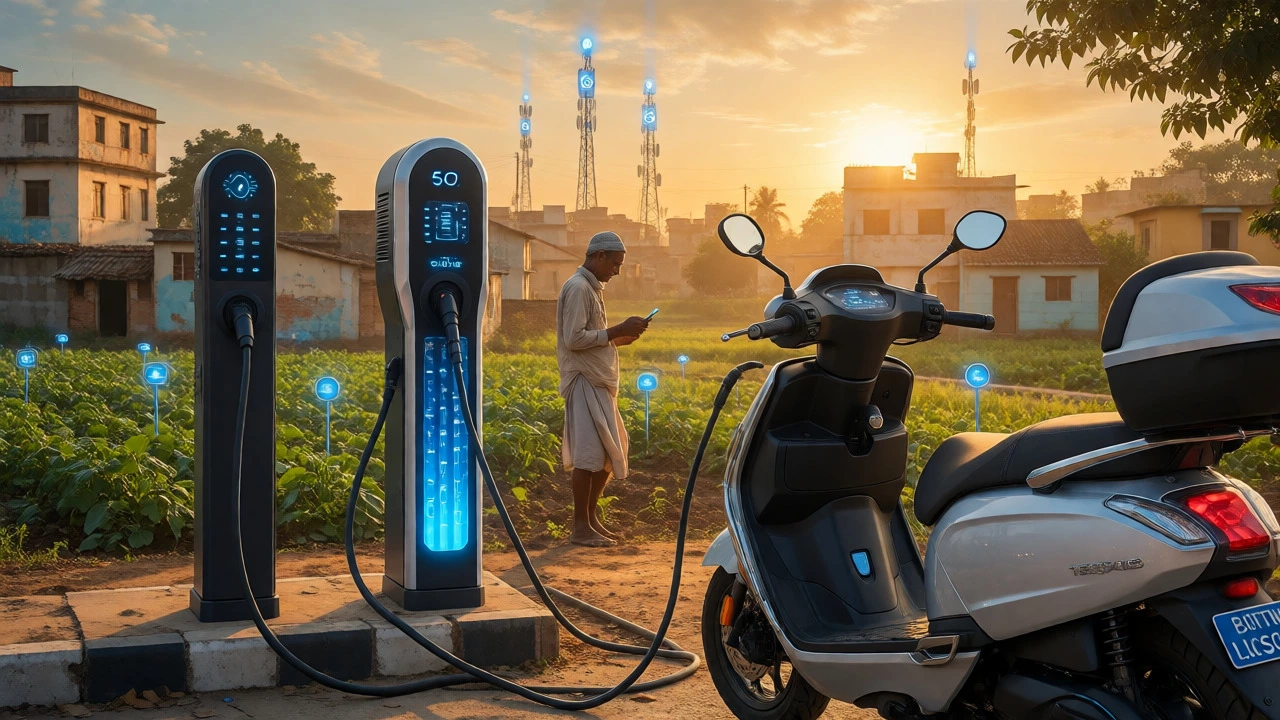
This rollout unlocks the Internet of Things (IoT). Think smart agriculture sensors in Punjab, connected health monitors in rural clinics, and industrial automation in Pune factories. The number of connected devices in India is projected to cross 500 million by 2027.
Here’s the catch: 5G alone doesn’t create value. It enables edge computing and real-time data processing. This creates a demand for low-power, high-performance microcontrollers and sensors. Startups focusing on industrial IoT solutions-like predictive maintenance for machinery-are finding eager customers who want to reduce downtime using data rather than guesswork.
Artificial Intelligence: From Hype to Hardware
Everyone talks about Generative AI. But in India, the practical application is often tied to hardware optimization. We aren’t just building chatbots; we are embedding AI into devices.
Consider the smartphone industry. Mid-range phones sold in India now come with dedicated Neural Processing Units (NPUs) to handle AI tasks locally, saving battery and data costs. This trend pushes manufacturers to adopt more sophisticated silicon designs.
Furthermore, AI is transforming manufacturing itself. Factories in Tamil Nadu are using computer vision for quality control, reducing defect rates by up to 20%. This isn’t sci-fi; it’s standard practice for competitive exporters. If you run a manufacturing unit, integrating AI-driven quality assurance is no longer optional-it’s a survival tactic against global competitors.
How to Capitalize on This Growth
So, what should you do with this information? The window for early advantage is closing, but plenty of room remains.
- For Job Seekers: Pivot your skills toward hardware-software interfaces. Knowledge of embedded systems, VLSI design, and battery chemistry is more valuable now than generic web development skills.
- For Investors: Look beyond the big names. Secondary suppliers-those providing precision tools, cleanroom equipment, and raw materials like copper and lithium-are less volatile and offer steady growth.
- For Entrepreneurs: Solve the bottlenecks. Logistics for sensitive electronic components, skilled labor training institutes, and after-sales service networks for EVs are underserved markets with high demand.
Don’t ignore the policy landscape. Keep an eye on updates from the Ministry of Electronics and Information Technology. Changes in import duties or new PLI tranches can instantly alter market dynamics.
Challenges Ahead
It’s not all smooth sailing. India faces significant hurdles. Skilled labor shortages remain a critical issue. Building a fab requires thousands of engineers trained in specific processes, and universities are struggling to keep pace with industry needs.
Additionally, infrastructure reliability-power stability and water availability-is crucial for semiconductor plants. While improvements are being made, any disruption can cost millions. Supply chain fragmentation also poses risks; relying on a single source for rare earth minerals can leave manufacturers vulnerable to price shocks.
Is AI or hardware the faster-growing tech sector in India?
While AI generates more media buzz, hardware sectors like electronics manufacturing and semiconductors are showing higher consistent year-over-year revenue growth due to massive capital investment and export volumes. AI growth is currently driven largely by software services, whereas hardware growth represents a structural shift in India's industrial base.
Which cities are hubs for this technology growth?
Bengaluru remains the top hub for design and R&D. Chennai and Sriperumbudur are major centers for electronics assembly. Hyderabad is strong in semiconductor design and packaging. Recently, Noida and Greater Noida have emerged as key clusters for mobile phone manufacturing and display units.
What role does the PLI scheme play in this growth?
The Production Linked Incentive (PLI) scheme provides financial incentives based on incremental sales of products manufactured in India. For electronics and semiconductors, it covers a percentage of value addition, effectively lowering the cost of doing business and encouraging companies to set up local manufacturing instead of importing finished goods.
Are electric vehicles considered part of the 'technology' growth?
Yes, absolutely. Modern EVs are essentially computers on wheels. Their growth drives demand for battery chemistry advancements, power electronics, charging infrastructure tech, and software-defined vehicle platforms, making them a core component of India's tech manufacturing boom.
What are the biggest risks for investors in this sector?
Key risks include global supply chain disruptions, fluctuating raw material prices (especially lithium and cobalt), execution delays in large infrastructure projects, and potential policy shifts regarding import tariffs. Additionally, talent scarcity can slow down scaling efforts for newer companies.