
Micro-Manufacturing Viability Calculator
Select your product category or enter custom values to see if your idea meets the "Easiest Thing to Sell" criteria: low barrier, high margin, fast turnover.
You’ve got a garage, a bit of cash, and that nagging itch to start making something. But you’re stuck staring at a blank page because every idea feels too heavy. Do you need a CNC machine for furniture? A clean room for pharma? The truth is, most people overcomplicate "manufacturing." They think it means steel beams and assembly lines. It doesn't.
When we talk about the easiest thing to sell, we aren't just looking for what’s popular. We’re looking for high-margin items with low setup costs, simple supply chains, and fast production times. If you can make ten units in an afternoon and ship them by evening, you’ve found a winner. This isn't about dreaming big; it's about starting small enough that failure isn't fatal, but profitable enough that success pays your rent.
Defining "Easy" in Manufacturing Terms
Before you buy raw materials, let’s define what "easy" actually means in this context. In manufacturing, ease is measured by three things: capital expenditure (CapEx), skill requirement, and time-to-market. If a product requires $50,000 in molds before you sell one unit, it’s not easy. If it requires a specialized degree in chemical engineering, it’s not easy.
The sweet spot lies in products where the barrier to entry is labor or basic machinery, not massive infrastructure. Think about the difference between injection molding plastic toys versus hand-pouring soy candles. One needs expensive steel molds that cost thousands per design change. The other needs wax, wicks, jars, and a thermometer. The latter allows you to pivot instantly if lavender stops selling and sandalwood takes off.
| Product Category | Startup Cost | Skill Level | Lead Time | Scalability |
|---|---|---|---|---|
| Handmade Candles | Low ($500 - $2k) | Beginner | 1-2 Days | Moderate |
| Custom Apparel (DTG) | Medium ($3k - $10k) | Intermediate | 3-7 Days | High |
| Concrete Decor | Low ($200 - $1k) | Beginner | 24 Hours | Low-Moderate |
| Basic Electronics Assembly | High ($10k+) | Expert | 2-4 Weeks | Very High |
Candles and Home Fragrance: The Classic Starter
Why do so many entrepreneurs start with candles? Because the feedback loop is incredibly short. You pour a batch on Tuesday, it sets overnight, and you can list it for sale on Wednesday. There are no complex regulations compared to food or cosmetics. While you should check local fire safety codes, the regulatory burden is minimal compared to selling skincare.
The real magic here is customization. A single block of soy wax can become a vanilla scent for winter buyers or a citrus blend for summer. You don’t need new equipment to change the product line-just a different fragrance oil and label. Margins are often 60-70% when sold direct-to-consumer. A jar costing $2.50 to produce can easily retail for $8-$12. If you focus on aesthetic packaging, you’re selling an experience, not just wax.
However, don't ignore the competition. Everyone sells candles. To win, you need a niche. Maybe you target pet owners with odor-neutralizing scents, or you use upcycled containers from local breweries. Specificity beats generality every time.
Concrete and Cement Decor: Heavy Value, Light Tech
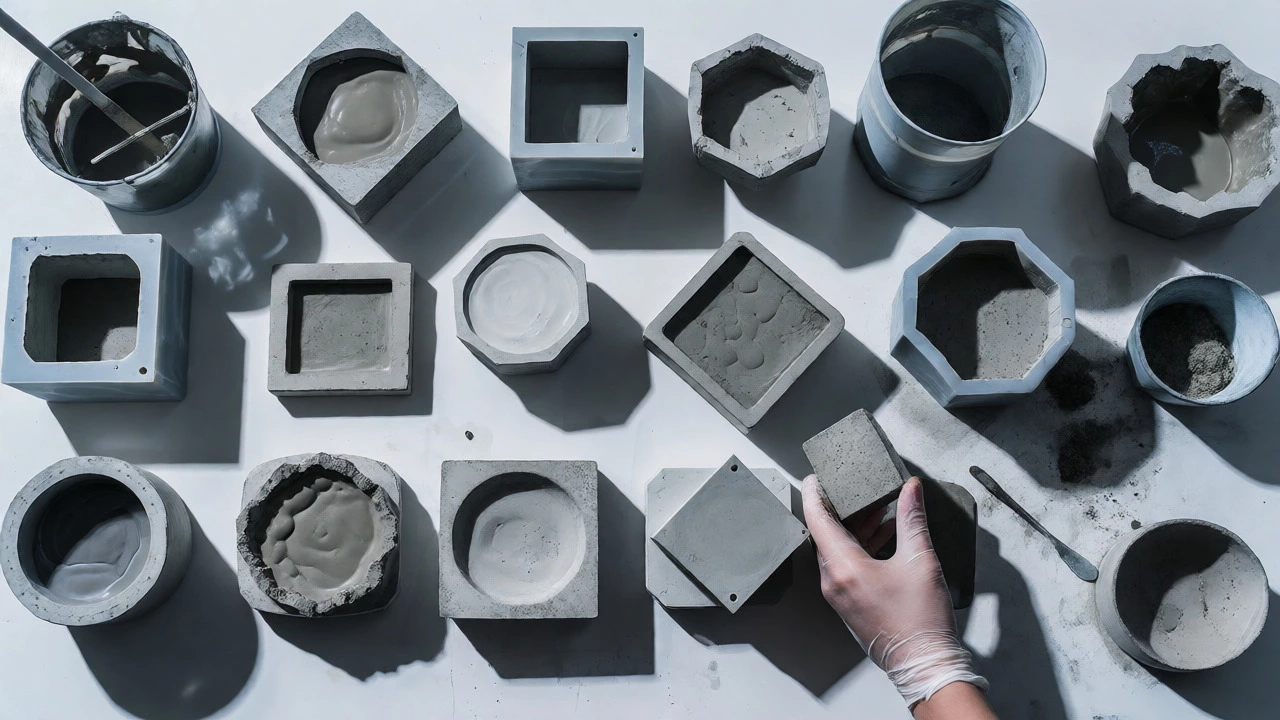
If you want something more durable than wax, look at concrete. Yes, it’s heavy, which affects shipping, but the material itself is dirt cheap. A bag of high-quality cement mix costs less than lunch. Add some pigment, a mold (which you can make yourself from silicone or plastic buckets), and you have planters, coasters, or bookends.
This sector has exploded because of the industrial-chic trend in interior design. People love the raw, imperfect look of handmade concrete. The process is forgiving. Mistakes in mixing usually result in interesting textures rather than failed products. You can sell these at local markets, craft fairs, or online via platforms like Etsy.
One tip: seal your concrete properly. Unsealed concrete stains easily and looks dusty. Using a non-toxic sealer adds durability and gives the product a professional finish. This small step can double your perceived value.
Print-on-Demand vs. Small Batch Apparel
Apparel is tricky. Inventory kills margins. If you print 100 t-shirts and only sell 20, you’re sitting on dead stock. That’s why many beginners start with Print-on-Demand (POD). You upload designs, and a third-party provider prints and ships when a customer buys. Zero inventory risk.
But POD margins are thin. You might only make $3-$5 per shirt. If you want higher profits, consider small-batch screen printing or Direct-to-Garment (DTG) printing using your own printer. A DTG printer costs around $15,000-$20,000 initially, but once you have it, your cost per shirt drops significantly. You control quality and speed. For beginners, though, sourcing blank garments and outsourcing the printing is often easier. Focus on unique designs that resonate with specific subcultures-think retro gaming, local sports teams, or niche hobbies.
Jewelry and Accessories: High Margin, Low Weight
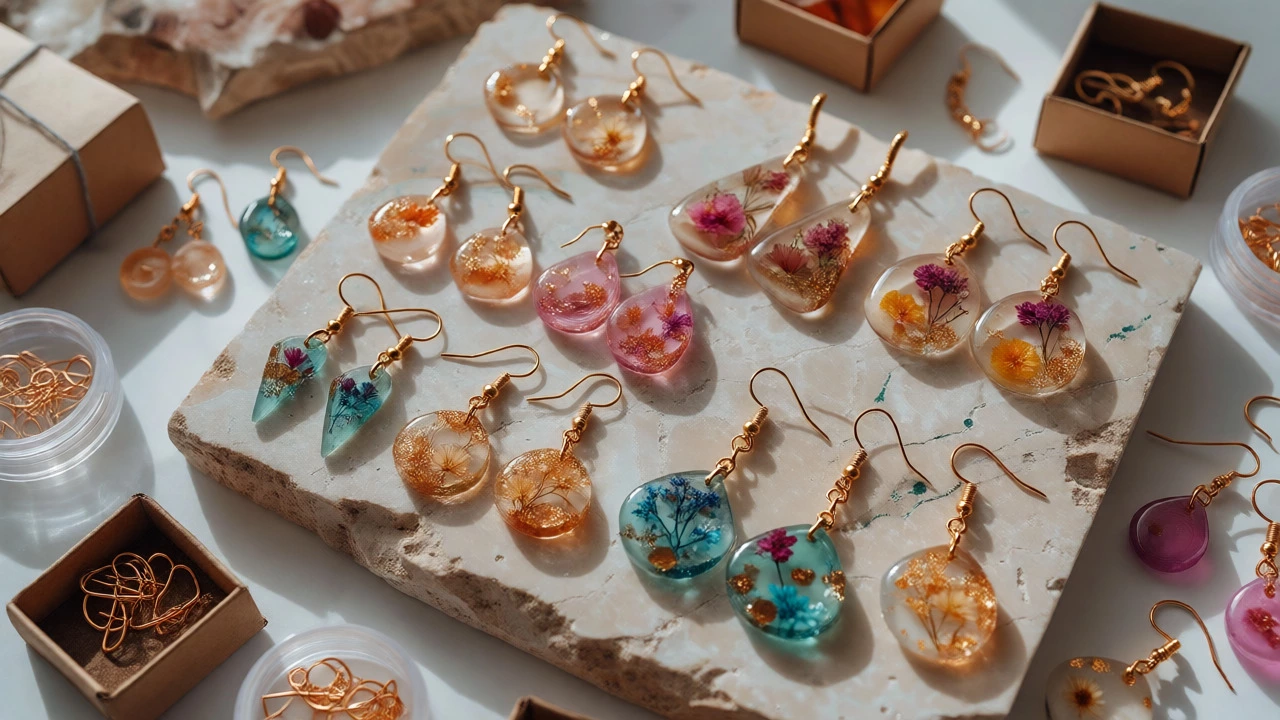
Jewelry is arguably the easiest thing to sell physically because it’s tiny. Shipping costs are negligible. You can store hundreds of units in a shoebox. Whether you’re doing resin art, polymer clay earrings, or wire-wrapping gemstones, the startup cost is under $500.
Resin jewelry, in particular, has seen a surge in popularity. It allows for embedding dried flowers, glitter, or even microchips. The learning curve for epoxy resin is steep regarding bubbles and curing times, but once mastered, the visual appeal drives sales. Social media loves resin-it photographs beautifully. Instagram and TikTok are free marketing channels for this category. A well-lit video of you pouring resin can go viral, driving traffic directly to your shop.
Be careful with skin sensitivities. Always use hypoallergenic findings (ear hooks, clasps). One bad reaction review can hurt a new brand. Stick to stainless steel or gold-filled components rather than cheap plated metals that tarnish quickly.
Digital Products: The Ultimate "Zero Inventory" Play
While technically not "manufacturing" in the physical sense, digital goods fit the "easy to sell" criteria perfectly if you include the creation process. Templates, printables, SVG files for crafters, or preset packs for photographers. You create the asset once, and it sells infinitely.
For someone interested in manufacturing, this serves as a great side hustle. You can test design concepts digitally before committing to physical production. If a pattern for a quilt sells well as a PDF, maybe you manufacture the fabric kits later. The margin is nearly 100%. No shipping, no returns (usually), no breakage.
Food Items: High Demand, Higher Risk
Selling homemade jams, sauces, or baked goods is tempting because everyone eats. However, this is rarely the "easiest" path due to regulations. In Australia, for example, cottage food laws vary by state. You might need a commercial kitchen license, which defeats the purpose of a low-cost start.
If you do pursue food, stick to shelf-stable items like hot sauce, spice blends, or dry rubs. These require less refrigeration and have longer shelf lives. Spice blending is particularly easy-you’re essentially mixing powders. Source high-quality bulk spices, create unique blends (like a smoky BBQ rub or a lemon-pepper fish seasoning), and package them nicely. The barrier here is branding and compliance, not production complexity.
How to Validate Your Idea Before Spending Money
Don’t buy inventory yet. Run a smoke test. Create a mockup of your product. Post it on social media. Ask friends to pre-order. If five people say they’d pay $20 for your concrete planter, then make five planters. If nobody responds, tweak the design or price.
Use tools like Shopify or WooCommerce to set up a landing page. Drive $50 of targeted Facebook ads to it. See if people click "Buy." Even if you don’t fulfill the order immediately, knowing there’s demand saves you from wasting time on a dud product.
Pitfalls to Avoid When Starting Small
- Underpricing: Many beginners forget to account for their own labor. If you spend two hours making a candle and sell it for $10, you’re earning $5/hour before expenses. Price for profit, not just to cover costs.
- Over-investing in Branding: You don’t need a $5,000 logo package. Use Canva. Keep it clean and readable. Spend money on better packaging, not fancy fonts.
- Ignoring Shipping Costs: Concrete is heavy. Jewelry is light. Calculate shipping rates early. Sometimes offering "free shipping" by baking the cost into the price increases conversion rates significantly.
- Lack of Consistency: Handmade items vary. Customers expect consistency. Standardize your processes. Use jigs and templates to ensure every coaster looks the same.
Next Steps for Your Micro-Manufacturing Journey
Pick one product category from above. Don’t try to launch a full store. Launch one hero product. Master its production. Get ten reviews. Then expand. The goal isn’t to be Amazon; it’s to be the best place to buy *that* specific thing. Speed is your advantage over large manufacturers. Listen to customers, iterate weekly, and keep your overhead low until revenue demands otherwise.
Is dropshipping considered manufacturing?
No, dropshipping is a fulfillment method where you don't handle the product. Manufacturing involves creating or assembling the good. However, you can combine them by designing a product and having a manufacturer dropship it, but true manufacturing implies ownership of the production process.
Do I need a business license to sell handmade goods?
Generally, yes. Even for small-scale manufacturing, you likely need to register your business name and obtain an Australian Business Number (ABN). Tax obligations apply once you exceed certain income thresholds. Check with your local council for home-based business permits.
Which product has the highest profit margin?
Jewelry and digital products typically offer the highest margins due to low material and shipping costs. Physical goods like candles and concrete decor also offer strong margins (50-70%) if sold direct-to-consumer without middlemen.
How much space do I need to start?
Most beginner-friendly manufacturing ideas require very little space. Candles, jewelry, and concrete decor can be produced on a standard dining table or in a corner of a garage. You only need dedicated space when scaling up volume or adding larger machinery.
Can I automate my small manufacturing process?
Yes, but incrementally. Start manual to learn the nuances. Once you have steady orders, invest in automation for repetitive tasks like labeling, cutting, or filling. This reduces labor costs and improves consistency without requiring a factory floor.