Food Processing Unit Workflow Simulator
1. Receiving & Inspection
Quality control checks for freshness, pests, and compliance.
2. Cleaning & Prep
Washing, peeling, sorting, and cutting raw materials.
3. Processing
Thermal, mechanical, or biological transformation.
4. Packaging
Sealing in containers to protect from oxygen and microbes.
5. Storage & Distribution
Cold storage or ambient warehousing before shipping.
Select a Stage Above
Click on any of the five processing stages to see detailed information about how it functions within the selected facility type.
When you pick up a package of frozen vegetables or a jar of peanut butter, you aren't just looking at ingredients. You are looking at the result of a highly controlled industrial environment known as a food processing unit. It is a dedicated facility where raw agricultural products are transformed into safe, stable, and consumable food items through mechanical, thermal, or chemical methods. This definition might sound dry, but it covers everything from the simple act of washing apples to the complex pasteurization of milk.
Understanding what constitutes a food processing unit is critical for anyone involved in the supply chain, whether you are a manufacturer, a regulator, or a curious consumer. These units are not just factories; they are the bridge between farm and fork, ensuring that food remains safe, nutritious, and available year-round.
The Core Definition: More Than Just a Factory
A food processing unit is defined by its function rather than just its size. While a massive meatpacking plant is clearly a processing unit, so is a small-scale artisanal cheese maker. The key differentiator is the transformation process. Raw materials enter the facility, undergo specific changes-such as heating, cooling, mixing, or packaging-and exit as finished goods ready for distribution.
According to standards set by organizations like the Food and Drug Administration (FDA), these facilities must adhere to strict hygiene and operational protocols. A defining characteristic of any legitimate food processing unit is its ability to control contamination risks at every stage. If a facility simply stores raw produce without altering it, it is considered a storage warehouse, not a processing unit. The moment peeling, cutting, cooking, or fermenting begins, the classification shifts.
This distinction matters because regulatory oversight differs significantly. Processing units face rigorous inspections regarding temperature controls, cross-contamination prevention, and allergen management. They are designed to handle bulk volumes while maintaining individual product integrity.
Primary Stages Within a Processing Unit
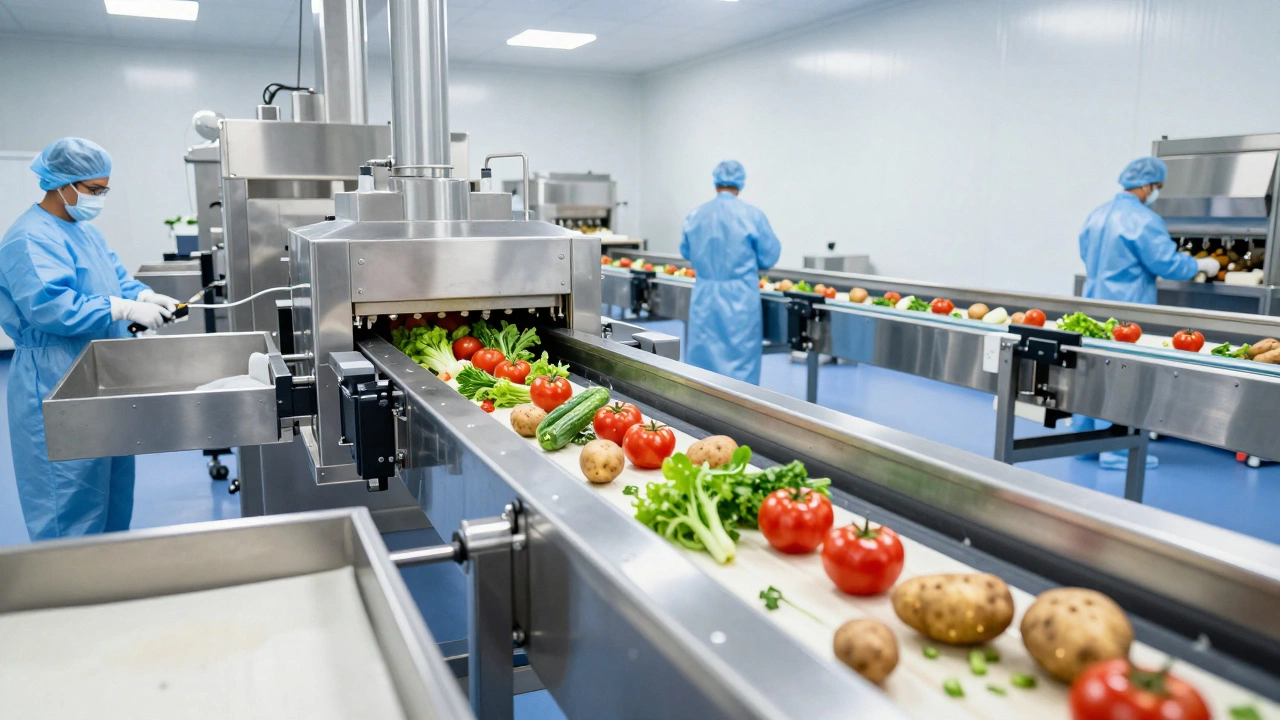
To understand how these units operate, we need to look at the workflow. Most modern food processing units follow a linear path that minimizes backtracking to prevent contamination. Here are the essential stages:
- Receiving and Inspection: Raw materials arrive here. Quality control teams check for freshness, pests, and compliance with supplier standards. For example, a tomato processing unit will test acidity levels before accepting a shipment.
- Cleaning and Preparation: This involves washing, peeling, sorting, and cutting. In a potato processing unit, this step removes dirt and eyes from potatoes before they are cut into fries. Water usage and sanitation chemicals are tightly monitored here.
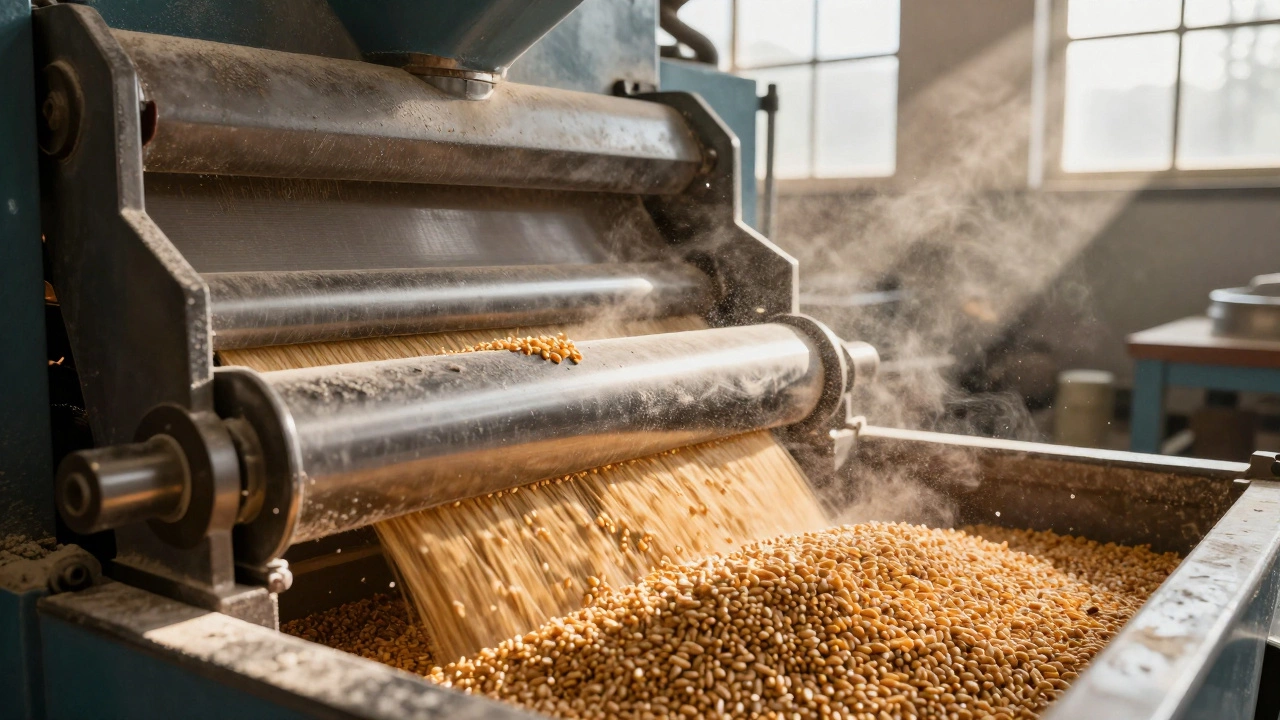
- Processing and Transformation: This is the core activity. It could involve thermal processing (like canning or pasteurization), mechanical processing (like milling grains), or biological processing (like fermenting yogurt). Each method alters the food's structure to extend shelf life or enhance flavor.
- Packaging: Once processed, food is sealed in containers that protect it from oxygen, moisture, and microbes. Modern units often use modified atmosphere packaging (MAP) to keep snacks crisp for months.
- Storage and Distribution: Finished goods move to cold storage or ambient warehouses before being shipped to retailers. Temperature logs are maintained throughout this phase to ensure safety.
Each stage requires specialized equipment and trained personnel. A breakdown in any single stage can compromise the entire batch, which is why redundancy and monitoring systems are built into the design of efficient units.
Types of Food Processing Units
Not all processing units look the same. Their design depends heavily on the type of food being handled. We can categorize them based on their primary output and technology used.
| Type of Unit | Primary Input | Key Technology Used | Typical Output |
|---|---|---|---|
| Dairy Processing Plant | Raw Milk | Pasteurization, Homogenization | Milk, Cheese, Yogurt |
| Meat Packing Facility | Live Animals or Carcasses | Slaughtering, Cutting, Curing | Steaks, Ground Beef, Sausages |
| Fruit and Vegetable Cannery | Fresh Produce | Thermal Sterilization, Sealing | Canned Tomatoes, Peas, Fruit |
| Grain Milling Unit | Wheat, Corn, Rice | Crushing, Sifting, Refining | Flour, Breakfast Cereals |
| Beverage Bottling Line | Water, Juice Concentrate | Filtration, Carbonation, Filling | Soda, Juice, Water |
For instance, a dairy processing unit relies heavily on temperature control. Milk must be heated to 161°F (72°C) for 15 seconds to kill pathogens-a process called High-Temperature Short-Time (HTST) pasteurization. In contrast, a grain milling unit focuses on mechanical separation, using rollers and sieves to separate bran from endosperm. The equipment, layout, and safety protocols differ drastically between these two types, even though both are classified as food processing units.
Why Hygiene and Safety Define the Unit
You cannot discuss food processing units without addressing safety. The definition of a compliant unit includes its adherence to HACCP (Hazard Analysis Critical Control Point) principles. HACCP is a systematic preventive approach to food safety that identifies physical, biological, and chemical hazards in production processes.
In practice, this means that a food processing unit isn't just defined by its machines, but by its documentation and procedures. Every surface that touches food must be made of stainless steel or food-grade plastic that resists corrosion and bacterial growth. Floors are sloped toward drains to allow for thorough cleaning. Air filtration systems prevent dust and airborne contaminants from settling on open products.
Consider the risk of allergens. A unit that processes peanuts must have strict segregation protocols if it also handles tree nuts or soy. Cross-contamination can lead to recalls and severe health consequences for consumers. Therefore, part of the "definition" of a modern processing unit is its ability to isolate allergens through dedicated lines or scheduled cleaning cycles.
The Role of Automation and Technology
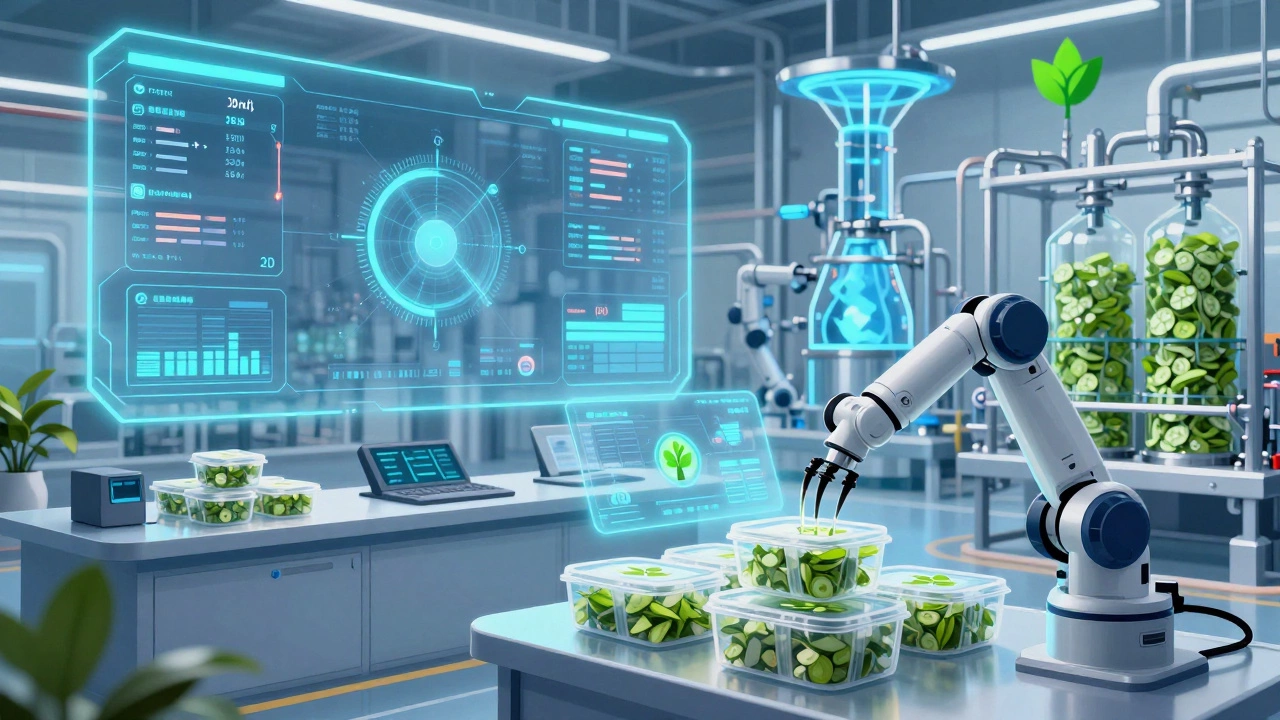
Modern food processing units are increasingly defined by their level of automation. Older definitions might focus on manual labor, but today, efficiency drives the industry. Robotics, artificial intelligence, and Internet of Things (IoT) sensors are becoming standard features.
For example, computer vision systems in fruit processing units can sort apples by size, color, and defects faster and more accurately than human workers. Sensors monitor pH levels, temperature, and humidity in real-time, alerting operators to deviations before they become problems. This technological integration reduces waste, improves consistency, and enhances safety.
However, automation doesn't replace the need for skilled technicians. Maintaining these complex systems requires expertise in both food science and engineering. A breakdown in an automated packaging line can halt production for hours, costing thousands of dollars per minute. Thus, the modern food processing unit is a hybrid of high-tech machinery and human oversight.
Regulatory Frameworks and Compliance
Operating a food processing unit involves navigating a web of regulations. In the United States, the FDA oversees most foods under the Food Safety Modernization Act (FSMA). FSMA shifted the focus from responding to contamination to preventing it. Facilities must now implement written food safety plans and undergo regular audits.
In other regions, such as the European Union, the European Food Safety Authority (EFSA) sets similar standards. Regardless of location, the core requirements remain consistent: traceability, hygiene, and risk assessment. Traceability means that every ingredient can be tracked back to its source. If a recall occurs, the unit must identify affected batches within two hours.
Compliance is not optional; it is part of the unit's operational identity. Non-compliant facilities face fines, shutdowns, and loss of consumer trust. Therefore, when defining a food processing unit, one must include its legal and ethical responsibility to protect public health.
Environmental Impact and Sustainability
Recently, the definition of a responsible food processing unit has expanded to include environmental stewardship. These facilities consume vast amounts of water and energy. A typical meat processing plant uses millions of gallons of water daily for cleaning and cooling.
Sustainable units invest in water recycling systems, energy-efficient motors, and waste reduction strategies. For example, spent grain from beer brewing can be repurposed as animal feed. Whey from cheese production can be converted into protein supplements. By closing the loop, processing units reduce their carbon footprint and lower operating costs.
Consumers are increasingly aware of these practices. Brands that highlight sustainable processing methods often gain a competitive edge. Thus, environmental performance is now a key attribute in the broader definition of what makes a food processing unit successful and viable in the long term.
What is the difference between a food processing unit and a food manufacturing plant?
The terms are often used interchangeably, but there is a subtle distinction. A food processing unit typically refers to a facility that transforms raw agricultural commodities into intermediate or final products through mechanical, thermal, or chemical means. A food manufacturing plant may imply a larger scale operation that combines multiple processing steps, including formulation, mixing, and packaging, often creating proprietary recipes. Essentially, all manufacturing plants are processing units, but not all processing units are full-scale manufacturing complexes.
How do food processing units ensure food safety?
They use a combination of physical barriers, chemical treatments, and procedural controls. Key methods include pasteurization to kill bacteria, metal detectors to find foreign objects, and strict hygiene protocols like handwashing and sanitizing surfaces. Most units follow HACCP guidelines, which identify critical control points where hazards can be prevented, eliminated, or reduced to safe levels.
Can a small business be considered a food processing unit?
Yes. Size does not determine the classification. A small bakery that mixes dough, bakes bread, and packages it is a food processing unit. However, smaller units may fall under different regulatory exemptions depending on local laws. They still must maintain basic hygiene and safety standards to protect consumers.
What are the main challenges faced by food processing units?
Major challenges include rising energy costs, labor shortages, stringent regulatory compliance, and supply chain disruptions. Additionally, meeting consumer demand for healthier, less processed foods while maintaining shelf stability is a growing technical challenge. Waste management and environmental sustainability are also pressing issues.
How does automation impact food processing units?
Automation increases speed, accuracy, and consistency. Robots can perform repetitive tasks like packaging or sorting with minimal error. IoT sensors provide real-time data on equipment performance and food quality, allowing for predictive maintenance and immediate correction of deviations. This leads to reduced waste, lower labor costs, and higher overall productivity.