Future Manufacturing Trend Estimator
Select the primary strategic focus or current capability of your business below to see which emerging manufacturing trend offers the highest potential alignment and growth opportunity.
Green Energy & Storage
Battery production, grid infrastructure, EV components, and renewable mandates.
Advanced Robotics
Collaborative robots (cobots), automation for small-scale flexible manufacturing.
Circular Economy
Recycling technologies, upcycling, waste-to-resource processing, ESG compliance.
Reshoring Supply Chains
Localized production for chips, medicine, defense, and critical goods.
Health-Tech Integration
Wearables, personalized medical devices, 3D-printed prosthetics, precision micro-manufacturing.
Digital Factory Retrofit
Energy-saving kits, smart sensors, digital twins, and factory modernization services.
Trend Name
Description goes here.
Key Action Items
You are looking at a factory floor today, and it looks like the future. But blink twice, and you might miss the shift happening right now. We aren't just talking about robots replacing humans anymore. That ship has sailed. The real question for manufacturers and entrepreneurs is: what industries will actually boom in the next decade?
It’s not enough to guess based on last year’s sales reports. You need to look at where money, policy, and technology are converging. If you’re planning to invest in machinery, hire staff, or launch a new product line, you need to bet on sectors that have structural tailwinds, not just temporary hype.
Key Takeaways
- Green Energy & Storage: Battery production and grid infrastructure are exploding due to EV adoption and renewable mandates.
- Advanced Robotics: Automation is moving from repetitive tasks to complex, collaborative roles in small-scale manufacturing.
- Circular Economy: Recycling and upcycling technologies are becoming profitable business models, not just compliance costs.
- Reshoring Supply Chains: Localized manufacturing for critical goods (chips, medicine) is reducing global logistics risks.
- Health-Tech Integration: Wearables and personalized medical devices require high-precision micro-manufacturing.
The Green Transition Is Not Optional
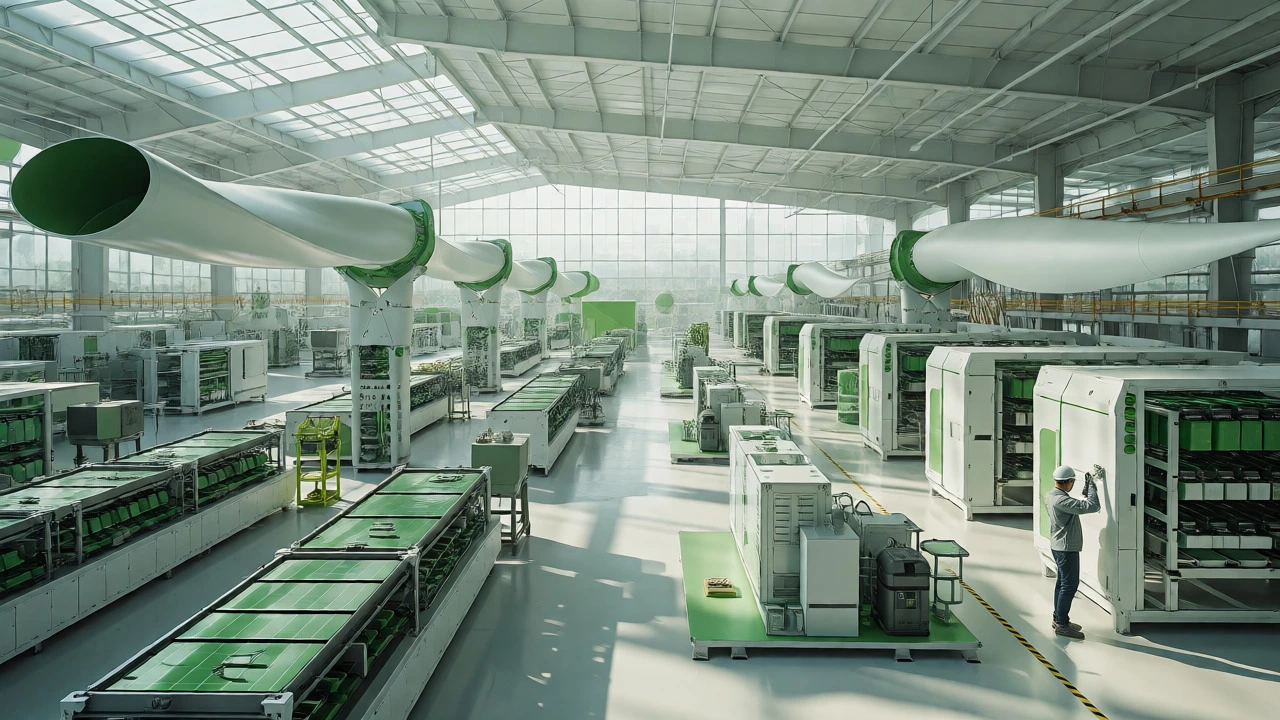
Let’s be honest: climate change isn’t going away, and neither are the regulations trying to stop it. For manufacturers, this means one thing-green energy infrastructure and production methods are shifting from niche markets to mainstream necessities. This isn’t just about solar panels on your roof. It’s about the massive industrial demand for lithium-ion batteries, hydrogen fuel cells, and wind turbine components.
Why does this matter for you? Because the supply chain for these materials is still fragmented. If you can manufacture specialized connectors, casings, or assembly components for battery packs, you’re sitting in a goldmine. The International Energy Agency projects that battery demand will increase by more than 40 times by 2040. Even if we scale that back to ten years, the growth curve is steep.
But don’t just think about making the products. Think about making the machines that make the products. Factories themselves are going green. They need energy-efficient motors, smart sensors to monitor carbon footprints, and waste-recycling systems built into their lines. A manufacturer who sells "energy-saving retrofit kits" for older factories will find eager buyers as companies try to meet ESG (Environmental, Social, and Governance) targets without building new plants from scratch.
Robotics Goes Beyond Assembly Lines
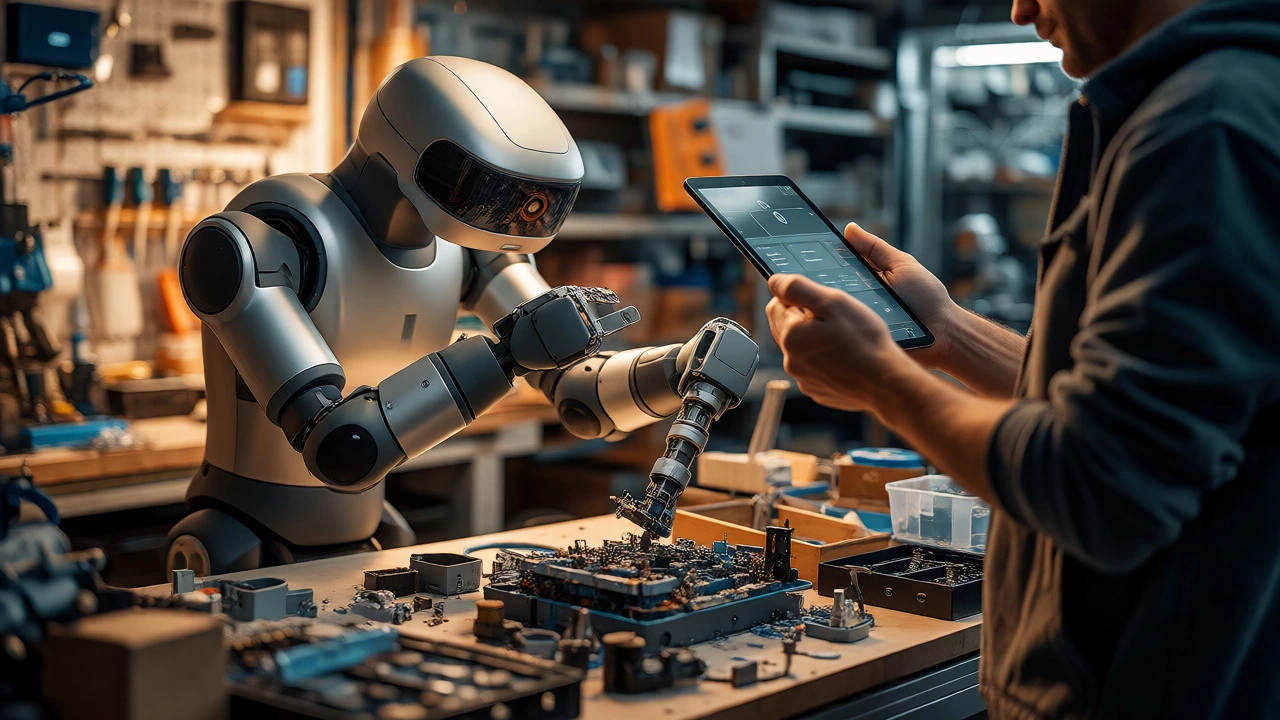
Remember when robots were only good for welding car frames? Forget that image. The next decade belongs to collaborative robots (cobots) designed to work safely alongside humans in smaller, flexible manufacturing settings. These aren’t giant cages of steel. They’re agile arms that can pack boxes, inspect quality control flaws, or handle delicate electronics.
Here’s the kicker: labor shortages are hitting hard in Australia and globally. Young people aren’t flocking to dirty, dangerous, and dull jobs. Manufacturers have no choice but to automate. But big traditional automation requires huge capital expenditure and long setup times. Cobots are different. They’re cheaper, easier to program, and can be redeployed quickly. If you’re running a small-scale manufacturing unit, investing in cobot integration services or specialized end-effectors (the "hands" of the robot) could be your ticket to booming profits.
| Feature | Traditional Industrial Robots | Collaborative Robots (Cobots) |
|---|---|---|
| Setup Time | Weeks to Months | Hours to Days |
| Safety Measures | Requires Safety Cages/Fences | Safe to Work Alongside Humans |
| Flexibility | Low (Fixed Tasks) | High (Reprogrammable) |
| Cost Entry | $50,000+ | $15,000 - $30,000 |
The Rise of the Circular Economy
We used to think recycling was a moral duty. Now, it’s a profit center. As raw material prices fluctuate wildly and governments impose taxes on virgin plastic use, circular economy business models that keep resources in use for as long as possible through sharing, leasing, reusing, repairing, refurbishing, and recycling are becoming essential.
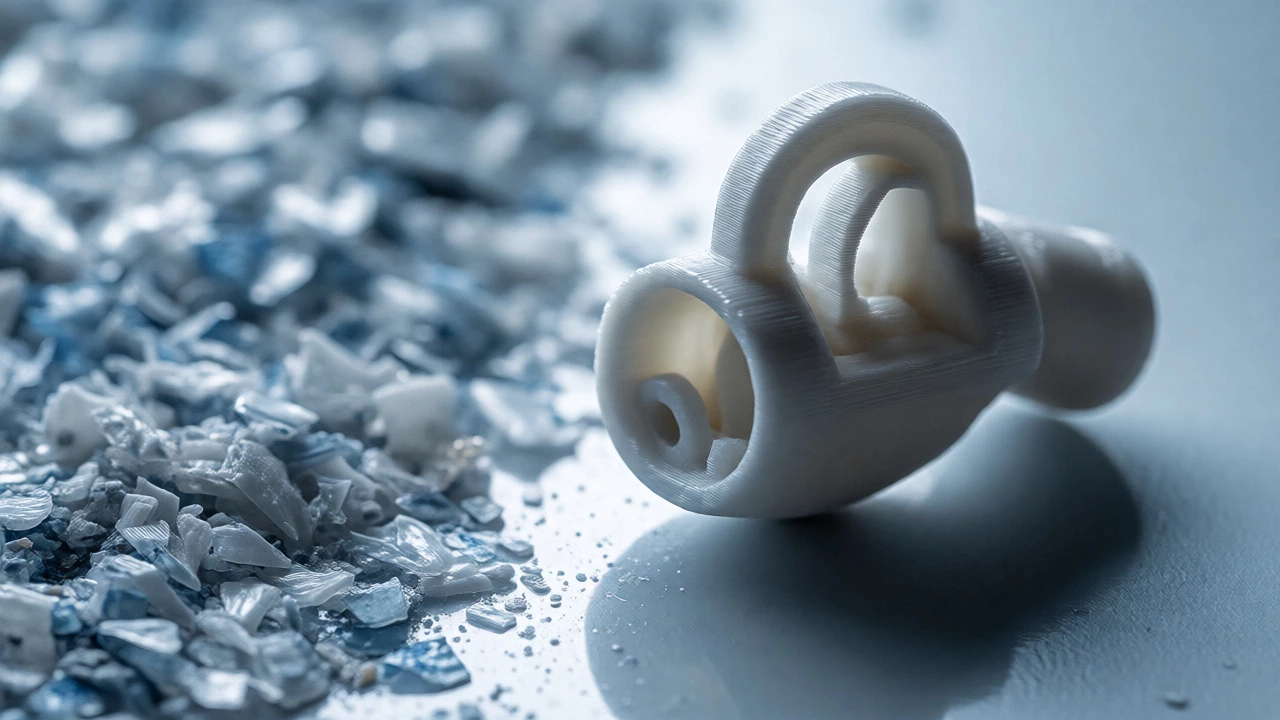
Imagine a business that takes old electric vehicle batteries, tests them, and repurposes them for home energy storage. Or a textile manufacturer that turns ocean plastic into high-performance sportswear fabric. These aren’t sci-fi concepts; they’re viable businesses scaling up right now. The key here is processing technology. Machines that can sort mixed plastics automatically, or shredders that produce high-quality flake for remanufacturing, will be in high demand.
If you’re in plastic manufacturing, don’t just make new bottles. Invest in closed-loop recycling systems. Sell the capability to turn waste back into raw material. Customers want sustainability proof, and you can provide it by tracking the lifecycle of every gram of material. This transparency builds brand loyalty and commands premium pricing.
Reshoring and Regional Supply Chains
The pandemic taught us a brutal lesson: global supply chains are fragile. When a ship gets stuck in the Suez Canal or a factory shuts down in Asia, shelves go empty worldwide. So, what’s the fix? reshoring the process of bringing manufacturing operations back to the company's home country or nearby regions to reduce dependency on distant suppliers.
This doesn’t mean every T-shirt will be made in Sydney again. Labor costs won’t allow it. But for critical items-semiconductors, pharmaceutical ingredients, defense components, and heavy machinery parts-manufacturing is coming closer to home. Governments are offering subsidies for this. In Australia, look at incentives for local food processing and advanced manufacturing.
For entrepreneurs, this opens doors. Instead of competing with China on volume, compete on speed and reliability. Offer "just-in-time" delivery for local automotive or aerospace firms. Build niche capabilities that global giants ignore because they’re too small for them. Being the reliable local partner for a multinational corporation can be a lucrative, stable business model for the next decade.
Health-Tech and Personalized Medicine
Aging populations in developed countries are driving a healthcare revolution. People want better health outcomes, and they want them tailored to their specific biology. This drives demand for personalized medicine medical treatment tailored to the individual characteristics of each patient, often requiring custom-manufactured devices or drugs.
Think about 3D-printed prosthetics, custom-fit hearing aids, or drug-delivery patches made for specific skin types. These require precision manufacturing at a small scale. Traditional mass-production molds don’t work here. You need additive manufacturing (3D printing) technologies that can produce thousands of unique units efficiently.
If you’re in electronics or plastics, pivot toward medical-grade certifications. The barrier to entry is higher, but the margins are significantly better. A generic plastic casing sells for pennies. A biocompatible, sterilizable housing for a wearable heart monitor sells for dollars. The intersection of health and manufacturing is a safe bet for long-term growth.
How to Position Your Business for the Next Decade
So, how do you act on this? Don’t try to do everything. Pick one trend and dig deep.
- Audit Your Current Capabilities: Do you have CNC machines? Can they handle titanium? If yes, look at aerospace or medical devices. Do you have injection molding? Look at recycled materials.
- Invest in Digital Twins: Before buying new machinery, simulate its performance. Software that creates a digital replica of your factory helps you test changes without downtime. This saves cash and time.
- Focus on Skills, Not Just Hardware: The bottleneck in advanced manufacturing isn’t usually the machine; it’s the operator who knows how to run it. Train your team in data analysis and robotic maintenance.
- Diversify Suppliers: If you rely on one source for raw materials, find a backup locally. Resilience is worth more than the cheapest price tag right now.
The industries that boom aren’t always the flashiest ones. Sometimes, it’s the boring stuff done smarter. Making better packaging for e-commerce, creating durable parts for wind turbines, or automating the packing of fresh food. These unglamorous niches are where steady, compounding wealth is built.
Frequently Asked Questions
Is AI really going to replace human workers in manufacturing?
AI will replace tasks, not necessarily entire jobs. It handles predictive maintenance, quality inspection, and inventory optimization. However, it creates new roles for technicians who manage AI systems. Human oversight remains crucial for complex problem-solving and creative design.
Which manufacturing sector is most resistant to recession?
Food processing and essential pharmaceuticals tend to be recession-resistant. People still need to eat and take medication regardless of economic conditions. Luxury goods and discretionary electronics manufacturing are more vulnerable to spending cuts.
How important is sustainability for small manufacturers?
Increasingly vital. Large corporations are pushing their small suppliers to prove sustainable practices to meet their own ESG goals. Small manufacturers who adopt green practices early gain a competitive advantage and avoid future regulatory penalties.
Will 3D printing replace traditional injection molding?
Not entirely. Injection molding remains superior for high-volume, low-cost production. 3D printing excels in prototyping, customization, and low-volume complex parts. The two technologies will likely coexist, serving different market needs.
What role does government policy play in industry growth?
Government policies heavily influence growth through subsidies, tariffs, and regulations. For example, tax credits for electric vehicles boost battery manufacturing. Carbon taxes drive investment in green tech. Staying informed about policy shifts helps you anticipate market changes.