Manufacturing Economic Impact Calculator
Multiplier: 2.5x - 3.0x
Multiplier: 1.2x - 1.5x
Multiplier: 1.0x - 1.3x
Total Economic Impact Comparison
Manufacturing
Includes direct jobs + supply chain ripple effect
Retail
Includes direct sales + local service needs
Services
Includes direct service provision costs
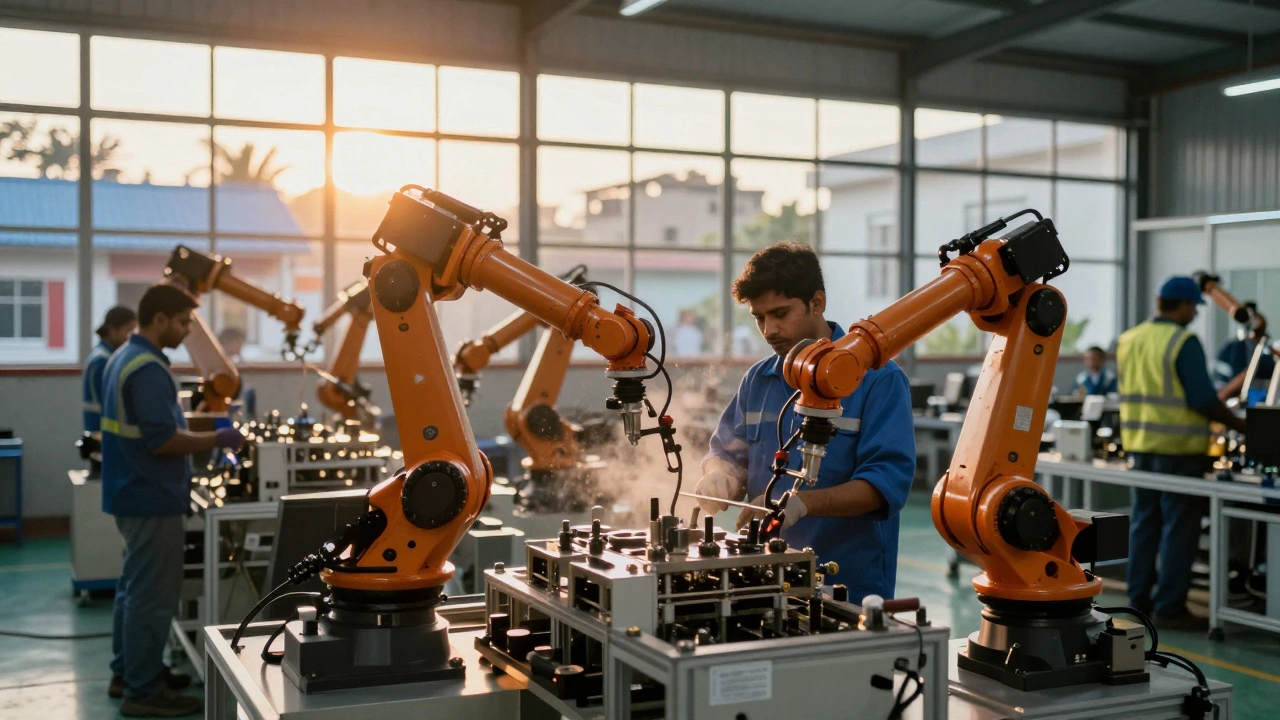
Walk past a closed factory or an empty warehouse, and you might think manufacturing is just about moving heavy boxes. But look closer at the numbers, and you see something different. Manufacturing isn't just a sector; it is the engine that keeps the entire economic machine running. It creates jobs, drives innovation, and stabilizes prices. When manufacturing grows, the whole country feels the boost.
In 2026, with global supply chains still recovering from recent shocks, understanding this role is more critical than ever. Governments are rolling out new industrial policies, and businesses are looking for ways to adapt. If you want to know why your local factory matters, or how national policies affect your pocket, you need to look at the bigger picture. This article breaks down exactly what manufacturing does for the economy, using clear examples and real-world data.
The Multiplier Effect: Why One Job Creates Many More
When we talk about manufacturing's impact on the economy, we often start with jobs. But it’s not just about the people working on the assembly line. There is a concept called the "multiplier effect." For every direct job created in manufacturing, several indirect jobs are created in other sectors. Think about it: if a car factory hires 100 workers, those workers need housing, food, transportation, and healthcare. Local shops, restaurants, and service providers benefit directly from their spending.
| Sector | Direct Jobs Created | Indirect/Induced Jobs | Total Economic Impact per $1M Investment |
|---|---|---|---|
| Manufacturing | 1.0 | 2.5 - 3.0 | $2.50 - $3.00 |
| Retail | 1.0 | 1.2 - 1.5 | $1.20 - $1.50 |
| Services | 1.0 | 1.0 - 1.3 | $1.00 - $1.30 |
This means that investing in manufacturing has a ripple effect. It strengthens local communities because the money stays within the region longer. Service industries rely on manufactured goods too. Without factories producing machinery, computers, and tools, many service businesses would struggle to operate efficiently. The connection is tight, and breaking it hurts everyone.
Innovation Spillover: How Factories Drive Tech Progress
Manufacturing doesn’t just make things; it makes them better. Historically, most technological breakthroughs have come from the manufacturing sector. Companies spend billions on research and development (R&D) to improve efficiency, reduce waste, and create new products. These innovations don’t stay locked inside the factory walls. They spill over into other parts of the economy.
Take robotics as an example. Robots were first developed for automotive assembly lines. Today, they are used in hospitals for surgery, in warehouses for logistics, and even in homes for cleaning. The technology originated in manufacturing but transformed multiple industries. Similarly, advancements in materials science, like stronger alloys or lighter composites, started in aerospace and automotive manufacturing. Now, these materials are used in everything from smartphones to sports equipment.
This "innovation spillover" is crucial for long-term economic growth. It raises productivity across the board. When one sector becomes more efficient, it lowers costs for others. This leads to cheaper goods, higher wages, and a more competitive economy globally. Without a strong manufacturing base, a country risks falling behind in technological adoption.
Supply Chain Resilience and National Security
The last few years taught us a hard lesson: relying too much on imports can be dangerous. When global disruptions hit-whether from pandemics, geopolitical tensions, or natural disasters-countries without strong domestic manufacturing face shortages. Essential items like medical supplies, semiconductors, and even basic food packaging can become scarce.
Having a robust manufacturing sector ensures supply chain resilience. It means a country can produce critical goods when needed. This isn’t just about convenience; it’s about national security. Dependence on foreign suppliers for vital components leaves a nation vulnerable to price hikes and political pressure. By keeping production close to home, governments can stabilize markets and protect citizens during crises.
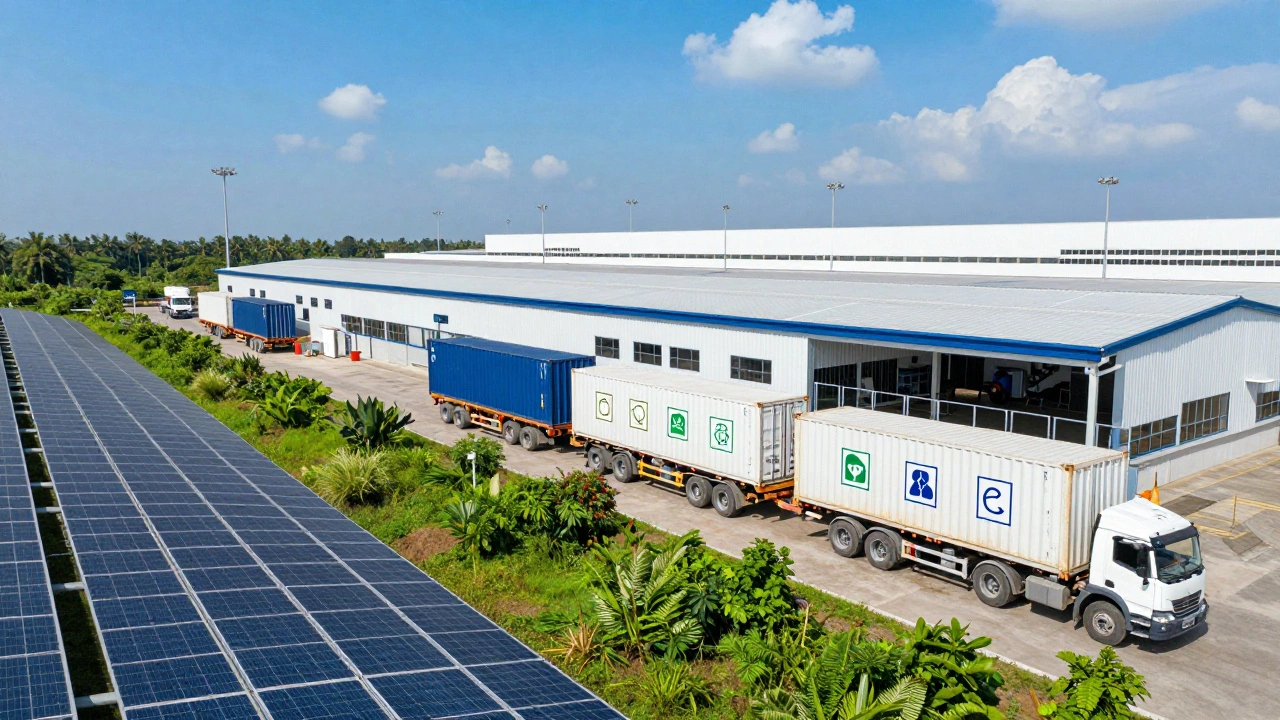
In 2026, we see a shift towards "friend-shoring" and near-shoring. Companies are moving production back to allied countries or closer to their primary markets. This trend boosts local economies while reducing risk. It also encourages investment in infrastructure, such as ports, roads, and digital networks, which further supports economic activity.

Government Schemes Manufacturing: Fueling Growth
Governments recognize the importance of manufacturing and use various tools to support it. These are often referred to as government schemes manufacturing. These programs aim to reduce costs, encourage investment, and build capacity. They take many forms, including tax incentives, subsidies, grants, and regulatory reforms.
For instance, a government might offer tax credits to companies that invest in green technology. This helps manufacturers transition to sustainable practices while lowering their operational expenses. Another common scheme is providing low-interest loans for small-scale manufacturers. This allows smaller players to compete with larger corporations and fosters entrepreneurship.
In some regions, specific zones are designated as special economic zones (SEZs). These areas offer streamlined regulations, duty-free imports, and improved infrastructure. Businesses setting up in SEZs often enjoy faster approval processes and lower overheads. This attracts both domestic and foreign investment, creating clusters of industrial activity that drive regional development.
However, these schemes must be well-designed. Poorly targeted subsidies can lead to inefficiencies or corruption. Effective programs focus on measurable outcomes, such as job creation, export growth, or R&D investment. Transparency and accountability are key to ensuring public funds deliver real value to the economy.
Export Competitiveness and Trade Balance
Manufacturing plays a pivotal role in international trade. Countries that excel in manufacturing often run trade surpluses, meaning they export more than they import. This brings foreign currency into the country, strengthening its balance of payments. A strong export sector also enhances a nation’s bargaining power in global negotiations.
Consider electronics manufacturing. Nations like South Korea and Taiwan built their economies around exporting high-tech components. Their success story shows how focusing on high-value manufacturing can lift a country from developing status to advanced economy. Even traditional sectors like textiles or agriculture benefit from processing raw materials domestically before exporting. Adding value locally captures more profit and creates more skilled jobs.
Moreover, manufacturing exports tend to be less volatile than commodity exports. While oil prices fluctuate wildly, demand for manufactured goods like cars, appliances, and machinery remains relatively stable. This stability helps governments plan budgets and maintain economic predictability. It also provides a buffer against external shocks, allowing for smoother recovery periods.
Challenges Facing Modern Manufacturing
Despite its benefits, manufacturing faces significant challenges. Automation and artificial intelligence are changing the nature of work. While these technologies increase productivity, they also displace certain types of labor. Workers need retraining programs to adapt to new roles involving machine operation, maintenance, and data analysis.
Environmental concerns are another major issue. Traditional manufacturing methods contribute heavily to carbon emissions and pollution. Regulators are imposing stricter standards, forcing companies to invest in cleaner technologies. This transition requires capital and expertise, which can be daunting for smaller firms. However, it also presents opportunities for innovation in green energy and circular economy models.
Skill gaps remain a persistent problem. Many employers report difficulty finding qualified technicians and engineers. Educational institutions must align curricula with industry needs to ensure a steady pipeline of talent. Apprenticeships and vocational training programs play a vital role here, bridging the gap between theory and practice.
The Future Outlook: What Lies Ahead?
Looking ahead, manufacturing will continue evolving. The integration of IoT (Internet of Things), AI, and blockchain will create smarter factories. Predictive maintenance, real-time quality control, and automated logistics will become standard. These changes promise higher efficiency and customization capabilities, enabling mass personalization of products.
Sustainability will also drive future strategies. Circular manufacturing, where waste is minimized and materials are reused, will gain prominence. Consumers increasingly prefer eco-friendly products, pushing brands to adopt responsible sourcing and production methods. Governments will likely expand incentives for sustainable practices, making green manufacturing not just ethical but economically advantageous.
Collaboration between public and private sectors will intensify. Joint ventures, shared R&D facilities, and public-private partnerships will accelerate innovation. By combining resources and knowledge, stakeholders can tackle complex challenges together, from climate change to workforce development.
How does manufacturing affect inflation?
Manufacturing impacts inflation through supply and demand dynamics. Efficient production lowers costs, which can reduce prices for consumers. Conversely, supply chain disruptions or increased input costs (like raw materials) can raise prices. Strong domestic manufacturing helps stabilize prices by reducing reliance on volatile global markets.
Why is manufacturing considered a backbone of the economy?
It is called the backbone because it supports other sectors. Manufacturing produces the tools, machines, and infrastructure needed by agriculture, construction, and services. It generates high-wage jobs, drives innovation, and contributes significantly to GDP. Without it, other industries would lack essential inputs.
What are the best government schemes for small manufacturers?
Look for schemes offering low-interest loans, tax rebates on equipment purchases, and grants for technology upgrades. Programs supporting skill development and apprenticeships are also valuable. Check local economic development agencies for region-specific incentives tailored to small businesses.
Does automation hurt manufacturing employment?
Automation changes rather than eliminates jobs. While routine manual tasks may decrease, demand rises for technical roles like robot programmers, data analysts, and maintenance specialists. Overall, productivity gains often lead to business expansion and new job creation in related fields.
How can I start a manufacturing business today?
Start by identifying a niche market with unmet demand. Develop a solid business plan outlining production processes, cost structures, and sales channels. Explore available government grants and financing options. Partner with experienced mentors or consultants who understand regulatory requirements and operational best practices.