Consumer Goods Sector Analyzer
Select a manufacturing sector below to analyze its viability for a new startup based on initial capital, profit margins, competition levels, and scalability.
Personal Care (Soap/Shampoo)
FMCG LeaderStrategic Insight
Traditional giants dominate shelf space, but small manufacturers are carving out niches with plastic-free soap bars or refillable cleaning solutions. Consumers are willing to pay a premium for green alternatives if quality matches conventional options.
You walk into a supermarket or scroll through an online store. What grabs your attention? It’s rarely the luxury car parked outside or the designer handbag in the window. It’s the toothpaste, the bread, the phone charger, and the shampoo bottle. These are the items that fly off shelves every single day. If you’re thinking about starting a manufacturing business, understanding what humans buy the most is your first step toward profitability. You aren’t just looking for what people like; you’re looking for what they need repeatedly.
This isn’t about chasing fleeting trends like fidget spinners or avocado toast. This is about identifying the bedrock of human consumption. For a manufacturer, these categories offer stability. People will always need to eat, clean themselves, stay connected, and keep their homes comfortable. Let’s break down the high-volume categories that dominate global sales and see where a new manufacturing startup can fit in.
The Fast-Moving Consumer Goods (FMCG) Reality
When experts talk about high-volume sales, they usually refer to Fast-Moving Consumer Goods, or FMCG. These are products that sell quickly at relatively low cost. Think of it this way: if you have to replace it within weeks or months, it’s likely FMCG. The magic here isn’t the profit per unit-it’s often tiny-but the sheer volume. A factory producing millions of units of a $2 item generates more revenue than one selling ten units of a $100 item.
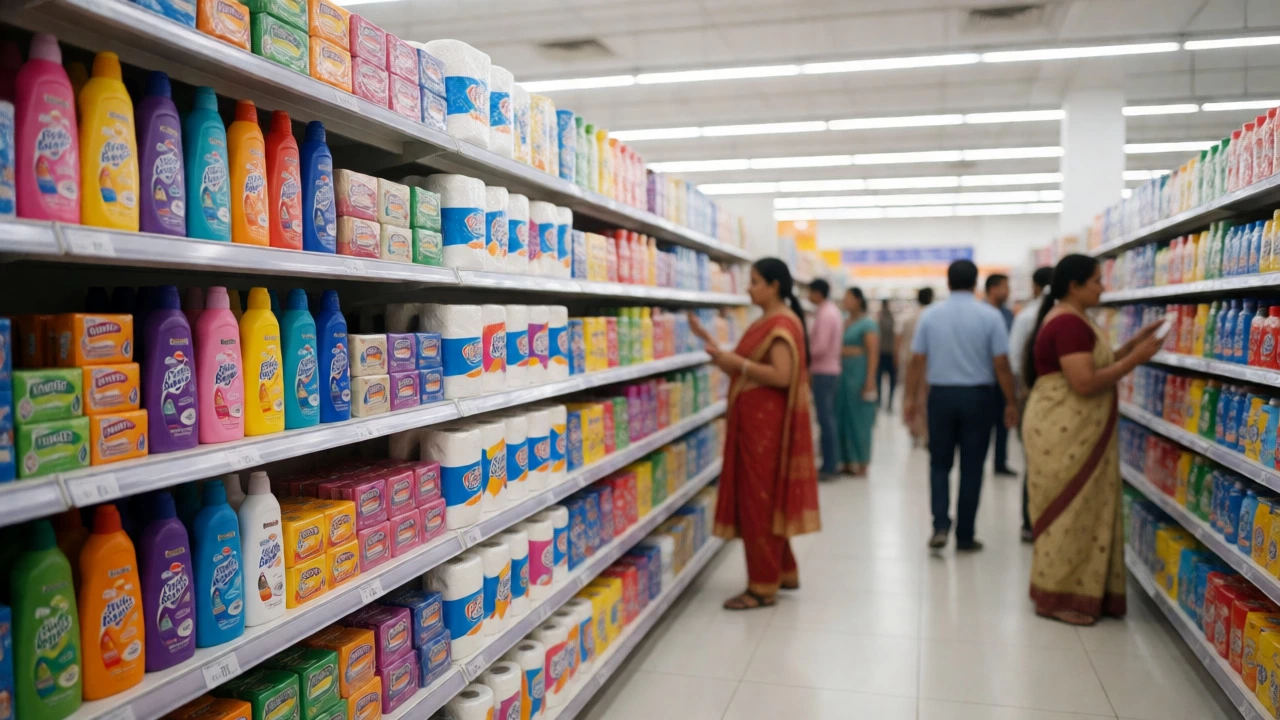
Within FMCG, personal care and household hygiene consistently rank at the top. Soap, shampoo, laundry detergent, and toilet paper are non-negotiables. In Australia alone, households spend billions annually on cleaning and hygiene products. Why does this matter for you? Because the barrier to entry can be lower than you think. You don’t need to invent a new chemical formula. You might just need better packaging, a more eco-friendly ingredient list, or a niche scent profile that appeals to local Sydney consumers who want sustainable options.
Consider the shift toward sustainability. Traditional giants like Unilever and Procter & Gamble dominate shelf space, but small manufacturers are carving out niches with plastic-free soap bars or refillable cleaning solutions. The data shows a clear trend: consumers are willing to pay a premium for green alternatives, provided the product works as well as the conventional option. This creates a sweet spot for startups that prioritize transparency and environmental impact.
Food and Beverage: The Evergreen Demand
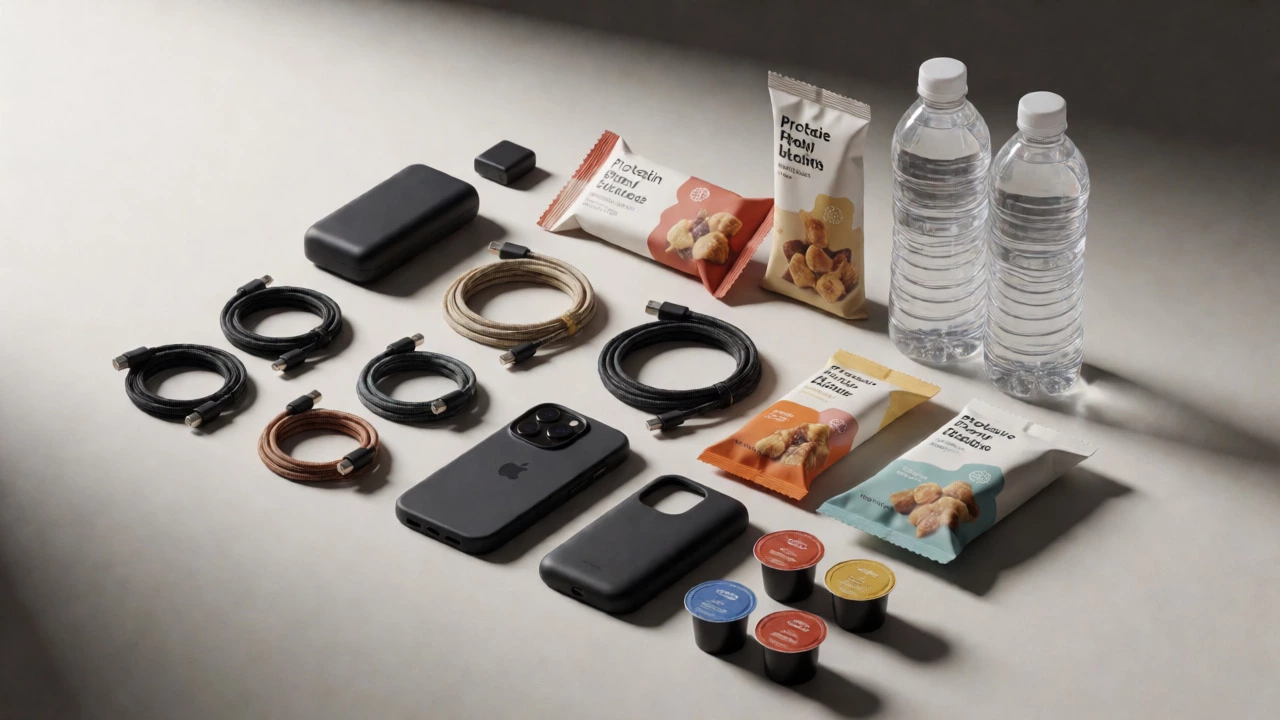
If there is one category that never slows down, it’s food. Specifically, processed and packaged foods drive massive manufacturing volumes. We aren’t talking about fresh apples picked from a tree. We’re talking about bottled water, snack bars, coffee pods, and ready-to-eat meals. Bottled Water is a prime example. It is arguably the most purchased single item globally by unit count. Yet, many entrepreneurs dismiss it because the margins seem thin. Don’t make that mistake. Localized branding and unique mineral profiles can differentiate a water brand enough to command loyalty.
Snacking has evolved from a guilty pleasure to a primary meal component for many younger demographics. The rise of "grazing" culture means demand for healthy, portable snacks is skyrocketing. Protein bars, dried fruits, and nut mixes are manufactured in huge quantities. For a startup, this sector offers flexibility. You can start with contract manufacturing-using an existing facility to produce your branded product-before investing in your own plant. This reduces upfront capital risk while you test market reception.
Coffee remains another heavyweight. From instant packets to single-serve capsules, the coffee industry supports a vast manufacturing ecosystem. Packaging machinery, roasting equipment, and brewing devices all stem from this demand. If you look at Australian cafes, the volume of beans consumed daily is staggering. A small-scale roastery supplying local offices and cafes can scale rapidly without needing national distribution networks initially.
Technology Accessories: The Digital Lifeline
We live tethered to our devices. While smartphones themselves are durable goods bought every few years, the accessories surrounding them are consumables. Phone cases, screen protectors, charging cables, and power banks fall into a high-turnover category. Unlike food, these items break, get lost, or become obsolete quickly. A cracked screen protector is replaced immediately. A frayed cable is discarded instantly.
Consumer Electronics Accessories represent a lucrative area for light manufacturing. Injection molding plastics for cases or braiding nylon for cables requires specialized but accessible machinery. The key challenge here is design speed. Trends change fast. One month, matte finishes are popular; the next, transparent cases are in vogue. Successful manufacturers in this space operate with agile production lines capable of switching molds or colors within days, not months.
Another emerging sub-sector is wearable tech components. While Apple and Samsung make the watches, third-party manufacturers supply the straps, chargers, and protective skins. This allows smaller players to enter the market without competing directly with billion-dollar R&D budgets. Focus on compatibility and durability. If your strap lasts longer than the original, you win repeat customers.
Home Essentials and Furniture Components
People spend more time at home than ever before, partly due to remote work trends. This has boosted demand for home office furniture, storage solutions, and decor. However, full furniture sets are expensive and slow-moving. The real volume lies in components and small furnishings. Think chair casters, desk organizers, shelving brackets, and cushion covers.
Textile manufacturing intersects heavily here. Pillowcases, bedsheets, and towels are replaced regularly. Unlike clothes, which are seasonal, bedding is functional and consistent. High-thread-count cotton sheets or bamboo fiber towels appeal to health-conscious buyers. A small textile mill focusing on niche fabrics can serve boutique hotels and direct-to-consumer brands effectively.
Plastic manufacturing also plays a crucial role in home goods. Storage bins, kitchen utensils, and bathroom organizers are ubiquitous. The innovation here lies in material science. Biodegradable plastics or recycled ocean-bound plastics add value to simple molded items. Consumers increasingly check labels for "recycled content," giving eco-conscious manufacturers a competitive edge over traditional petroleum-based producers.
Health and Wellness: The Post-Pandemic Boom
Since 2020, health awareness has surged. Vitamins, supplements, and medical-grade masks became everyday purchases. Even as pandemic fears recede, the habit of buying wellness products persists. Dietary Supplements are now mainstream. Multivitamins, protein powders, and probiotics are stocked in supermarkets, not just pharmacies.
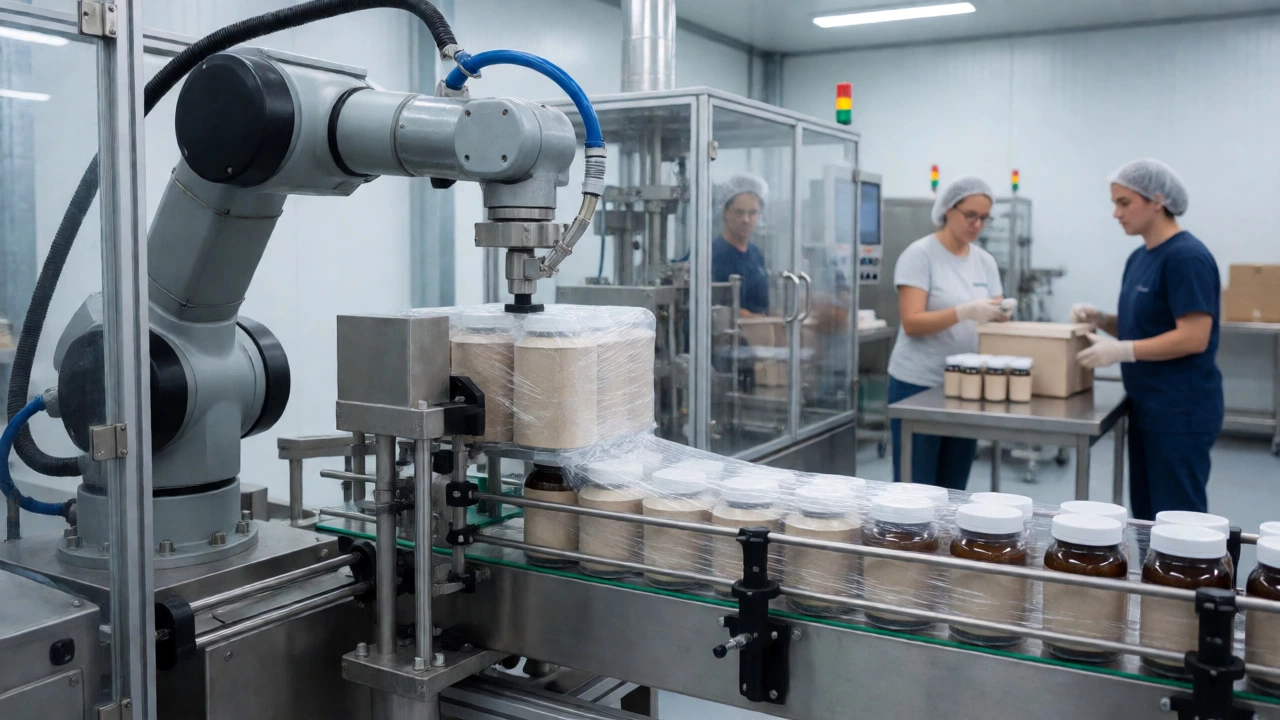
Manufacturing these products involves blending, encapsulating, and packaging. It’s a regulated industry, requiring strict quality control standards, but the margins are attractive. Private label manufacturing is common here. Many brands don’t own factories; they hire contract manufacturers to produce formulas under their label. As a startup, you could position yourself as a reliable contract manufacturer for local wellness brands struggling with large-scale production partners’ minimum order quantities.
Personal protective equipment (PPE), such as gloves and sanitizers, saw explosive growth. While demand has normalized, it hasn’t vanished. Hygiene is now ingrained in public behavior. Hand sanitizer stations remain in offices and schools, requiring regular refills. Producing bulk sanitizer or wipes offers steady B2B contracts with corporate clients.
Comparing High-Demand Categories
To help you decide where to focus, let’s compare these sectors based on startup viability. Each has different barriers to entry, margin structures, and scalability potential.
| Sector | Initial Capital Needed | Profit Margin | Competition Level | Scalability |
|---|---|---|---|---|
| Personal Care (Soap/Shampoo) | Low to Medium | Medium | High | High |
| Packaged Food/Snacks | Medium | Low to Medium | Very High | High |
| Tech Accessories | Low | High | High | Medium |
| Supplements/Wellness | Medium to High | High | Medium | High |
| Home Textiles | Medium | Medium | Medium | Medium |
Notice how Tech Accessories offer high margins but face fierce competition from cheap imports. Personal Care offers moderate margins but easier brand differentiation through scent and ethics. Supplements require regulatory navigation but reward you with loyal, recurring customers.
Strategic Insights for Your Startup
Knowing what people buy is only half the battle. Knowing why they buy it determines your success. Today’s consumers are informed. They read ingredients lists. They check ethical sourcing statements. They prefer brands that align with their values. If you manufacture plastic bags, consider offering compostable alternatives. If you make soap, highlight cruelty-free testing.
Also, consider the channel strategy. Direct-to-Consumer (DTC) models allow higher margins but require heavy marketing spend. Wholesale to retailers ensures volume but squeezes profits. A hybrid approach often works best: build a strong online presence to establish brand identity, then use that traction to negotiate shelf space in local stores.
Finally, don’t underestimate logistics. High-volume goods mean high shipping costs. Efficient packaging design that minimizes weight and volume can save thousands annually. Partner with local distributors to reduce last-mile delivery complexities. In cities like Sydney, traffic congestion makes efficient routing critical for maintaining service levels.
What is the single most purchased item globally?
While rankings vary by source, bottled water and basic hygiene products like soap are consistently among the highest by unit volume. However, if considering digital goods, mobile app downloads and streaming subscriptions rival physical items in frequency of purchase.
Is it profitable to manufacture generic commodities?
Yes, but only at scale or with a unique value proposition. Generic commodities compete on price, leading to thin margins. Profitability comes from operational efficiency, economies of scale, or adding features like eco-friendly packaging that justify a slight price increase.
How do I choose between food and non-food manufacturing?
Food manufacturing requires stricter hygiene regulations, shorter shelf-life management, and faster turnover. Non-food items like accessories or textiles have longer shelf lives but may face slower inventory movement. Choose based on your expertise and ability to manage regulatory compliance versus inventory holding costs.
Do consumers really care about sustainability in high-volume goods?
Absolutely. Studies show that younger demographics, particularly Gen Z and Millennials, actively seek sustainable options even for mundane items like trash bags or toothbrushes. Ignoring sustainability risks alienating a significant portion of the market.
What is the biggest risk in high-volume manufacturing?
Overproduction and inventory stagnation. Producing too much ties up cash in unsold stock. Starting with smaller batches or using contract manufacturing helps mitigate this risk until demand patterns are clearly understood.