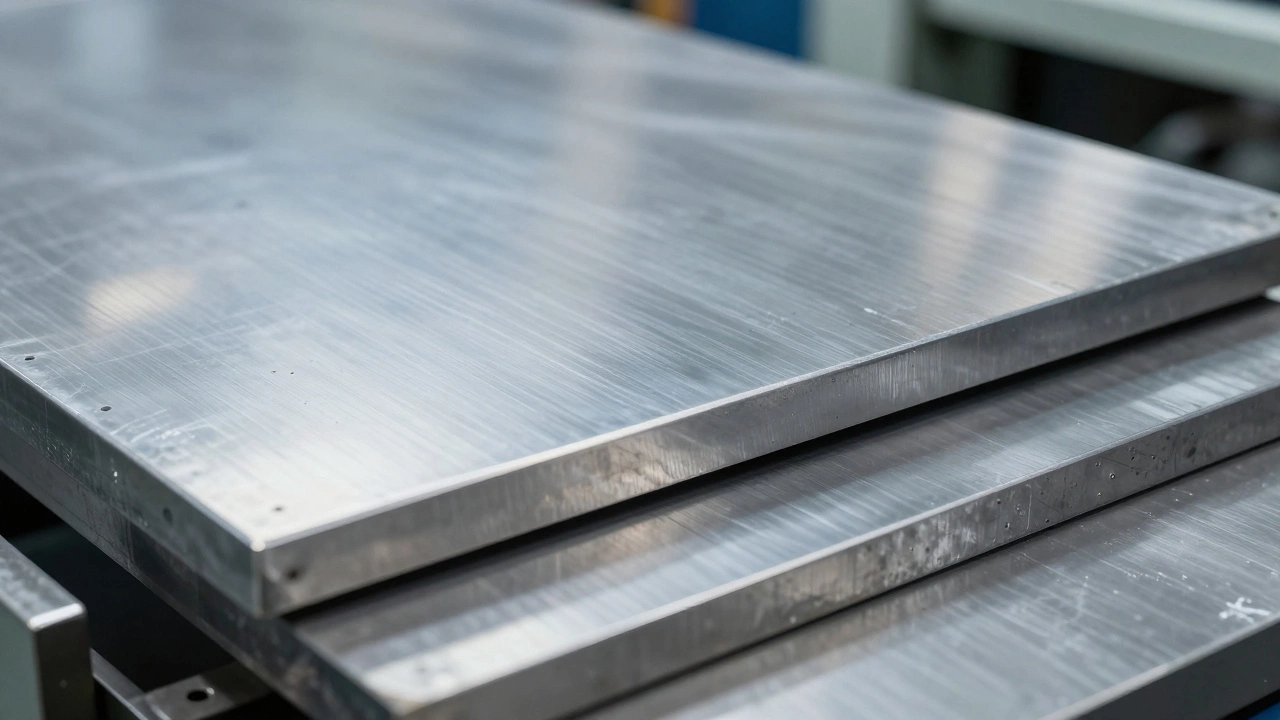
When you think of steel, you might picture skyscrapers, cars, or bridges. But not all steel is created equal. Some steel bends without cracking. Some stays strong in freezing temperatures. Some is so pure it’s used in jet engines or surgical tools. The difference? Where it was made.
Japan Leads in Precision Steel
Japan produces some of the most consistent, high-purity steel in the world. Companies like Nippon Steel and JFE Steel use advanced refining techniques that remove impurities down to parts per million. Their electric arc furnaces and continuous casting systems are among the most precise on the planet. This isn’t just about strength-it’s about reliability. Japanese steel used in Toyota and Honda engines has a defect rate lower than 0.02%. That’s why automakers globally pay a premium for Japanese-grade steel, even when local options are cheaper.
What makes Japanese steel special isn’t just the tech-it’s the culture. Workers are trained for years in metallurgy. Quality checks happen at every stage, from raw iron ore to final rolling. If a batch has even a tiny inconsistency, it’s scrapped. No compromises. This attention to detail means Japanese steel is the go-to for aerospace, medical devices, and high-speed rail systems.
Germany’s Reputation for Engineering Steel
Germany doesn’t just make steel-it engineers it. Companies like ThyssenKrupp and Salzgitter specialize in alloy steels designed for extreme conditions. Think wind turbines in the North Sea, drilling rigs in the Arctic, or high-pressure pipelines carrying hydrogen. German steel often includes precise blends of chromium, nickel, and molybdenum, tailored for specific stress levels and corrosion resistance.
German steel standards (DIN and EN) are some of the strictest in the world. A single ton of high-strength low-alloy (HSLA) steel from Germany might be tested for tensile strength, impact resistance, and fatigue life across 15 different labs. That’s more testing than most countries do for an entire shipment. It’s why German steel is trusted in critical infrastructure projects from Switzerland to South Korea.
China’s Scale and Rapid Improvement
China produces nearly half of the world’s steel-more than the next three countries combined. But quantity doesn’t equal quality. For years, Chinese steel had a reputation for inconsistency. Some batches cracked under pressure. Others corroded too fast. That’s changed.
Over the last decade, China has shut down hundreds of outdated, polluting mills and invested over $300 billion in modernization. Companies like Baowu Steel now use AI-driven quality control systems that scan every slab for micro-cracks using thermal imaging. Their high-end steel, used in high-speed trains and offshore platforms, now meets or exceeds international standards. The catch? Only about 15% of China’s output is this premium grade. The rest still goes into less demanding uses like rebar and appliances.
Sweden’s Ultra-Pure Steel for High-Tech Uses
Sweden’s SSAB produces some of the purest steel on Earth. Their product, called Hardox and Strenx, is used in everything from Formula 1 chassis to Arctic drilling rigs. What sets Swedish steel apart is its iron ore. The mines in northern Sweden have some of the cleanest, lowest-sulfur iron ore in the world. Combined with hydrogen-based reduction technology (the world’s first fossil-free steel plant opened in 2021), the result is steel with near-zero carbon emissions and unmatched purity.
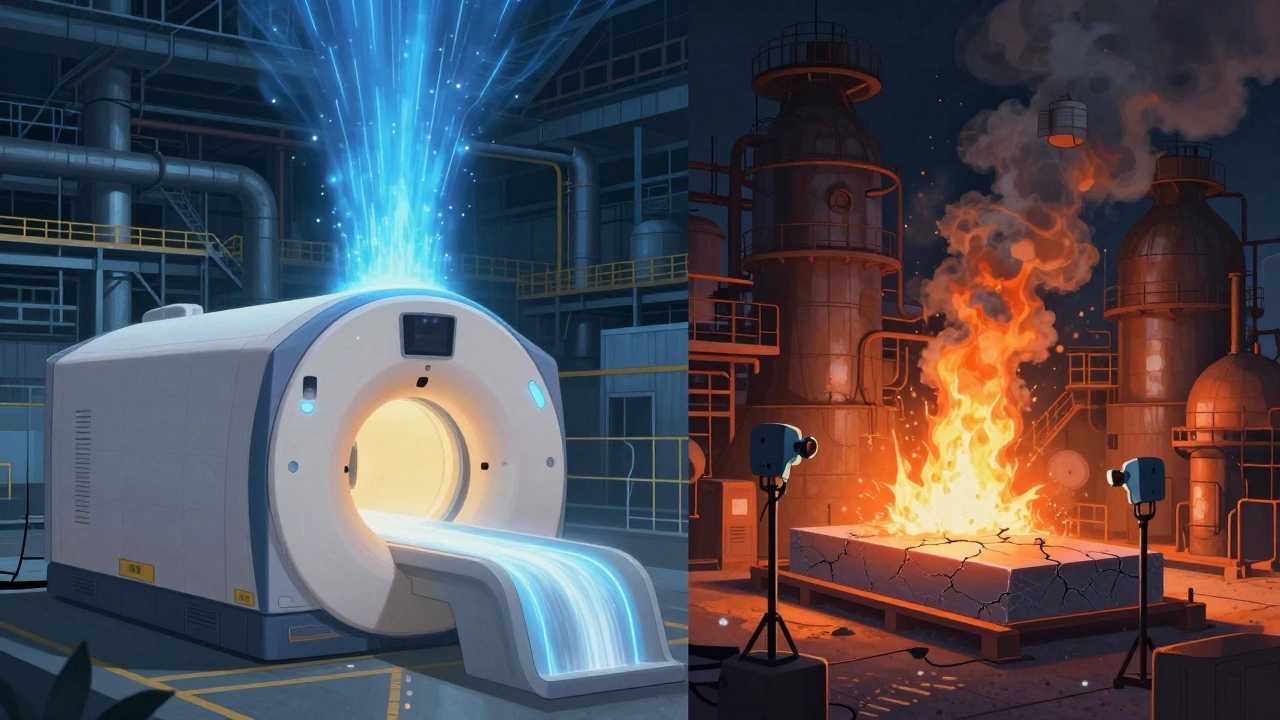
Swedish steel is so pure that it’s used in MRI machines and satellite components. One lab in Luleå tested a batch of Strenx 1100 and found impurities at just 0.001%-lower than most laboratory-grade metals. That kind of consistency doesn’t come cheap, but for industries where failure means life or death, it’s worth it.
United States: Strong, But Fragmented
The U.S. has the technology and raw materials to make world-class steel. Companies like Nucor and U.S. Steel produce high-quality plate and structural steel used in bridges, ships, and oil rigs. Nucor’s mini-mills use recycled scrap metal and electric arc furnaces that are among the most energy-efficient in the world.
But the U.S. steel industry is fragmented. There’s no single national standard for quality like Germany or Japan. Some mills produce steel that meets ASTM or SAE specs flawlessly. Others cut corners to compete on price. The result? Buyers have to vet each supplier carefully. If you’re building a pressure vessel or a nuclear component, you’ll likely specify U.S.-made steel-but only from certified mills with documented heat treatment records.
South Korea: The Quiet Contender
Most people don’t realize South Korea is a steel powerhouse. POSCO, the country’s largest producer, rivals Japan in precision. Their steel is used in Apple’s iPhone frames, Samsung’s OLED displays, and Hyundai’s electric vehicles. POSCO’s R&D center in Pohang has developed steels so thin they’re used in smartphone batteries-just 0.12 millimeters thick, yet stronger than most structural steel.
What makes POSCO unique is their vertical integration. They control everything from iron ore mines in Australia to finished steel products. That means they can tweak chemistry and cooling rates in real time. Their quality control doesn’t just test samples-it predicts failures before they happen using machine learning models trained on decades of production data.
What ‘Best’ Really Means
There’s no single answer to “What country makes the best quality steel?” because “best” depends on what you need.
- If you need extreme purity for medical or aerospace parts: Sweden or Japan.
- If you need precision alloys for high-stress environments: Germany.
- If you need high-volume, consistent quality for cars or appliances: Japan or South Korea.
- If you need strong, affordable structural steel: U.S. or China (but vet the supplier).
Price matters too. Swedish and German steel can cost 30-50% more than Chinese or Indian steel. But if you’re making a turbine blade that spins at 10,000 RPM, the extra cost saves you from a catastrophic failure. For a backyard fence? Not so much.
How to Tell Good Steel From Bad
Most buyers don’t have access to a lab. So how do you know what you’re getting?
- Ask for a mill test report (MTR). This document lists the exact chemical composition and mechanical properties of the steel batch. Reputable suppliers provide this without being asked.
- Check for certifications like ISO 9001, ASTM, or EN 10204 3.1. These mean the steel was tested by an independent body.
- Look at the surface. High-quality steel has a smooth, uniform finish. Rough, pitted, or discolored surfaces often mean poor refining or handling.
- Test hardness. A simple Rockwell hardness tester (under $200) can tell you if the steel matches its claimed grade. If it’s way off, walk away.
Future Trends: Cleaner, Smarter Steel
The future of steel isn’t just about quality-it’s about sustainability. Sweden’s hydrogen-based steel is already in production. Japan is testing carbon capture in blast furnaces. South Korea is using AI to cut energy use by 20%.
By 2030, buyers will care as much about how steel is made as what it’s made of. Carbon footprint, water use, and worker safety are becoming part of the quality equation. The countries leading in quality today are also the ones investing most in green tech. That’s no accident.
Is Chinese steel safe to use?
Yes-but not all of it. China produces both low-grade steel for construction and high-grade steel for automotive and aerospace use. The difference is in the supplier. Always ask for a mill test report and check certifications like ISO 9001. Avoid suppliers who won’t provide documentation. Many reputable Chinese mills now meet international standards, but you need to verify.
Why is Swedish steel so expensive?
Swedish steel is expensive because of its ultra-pure raw materials, hydrogen-based production (which is still costly), and extreme quality controls. SSAB’s fossil-free steel, for example, costs nearly double traditional steel. But for applications like medical implants or satellite components, where failure isn’t an option, the price is justified by reliability and purity.
Does the U.S. make high-quality steel?
Yes, but it’s inconsistent. Companies like Nucor and U.S. Steel produce excellent steel for bridges, ships, and heavy machinery. However, the U.S. market has hundreds of smaller mills, some of which cut corners. Always request a mill test report and verify certifications. Don’t assume all U.S.-made steel is top-tier-choose your supplier carefully.
What’s the difference between Japanese and German steel?
Japanese steel focuses on consistency and purity, especially for automotive and electronics. German steel focuses on engineered alloys for extreme conditions-like high pressure, cold, or corrosion. Japanese steel might be used in your car’s engine block. German steel might be used in the oil rig that drills for the fuel.
Can I trust steel from India or Brazil?
For basic applications like fencing, furniture, or low-stress structures, yes. For anything critical-like pressure vessels, cranes, or medical devices-no, not without verification. India and Brazil have growing steel industries, but their quality control is still developing. Always insist on mill test reports and third-party certifications before using their steel in safety-critical projects.
What to Do Next
If you’re buying steel for a project, start by defining your needs. What load will it carry? What environment will it face? What’s your tolerance for risk? Then, narrow your options to the countries known for that type of steel. Don’t just go with the cheapest. Ask for documentation. Test samples if you can. And remember-the best steel isn’t the one made in the most famous country. It’s the one that meets your exact requirements, every time.