India Chemical Export Knowledge Quiz
This interactive quiz helps you understand the key drivers behind India's status as a top ten global chemical exporter. Select the best answer for each question.
Loading question...
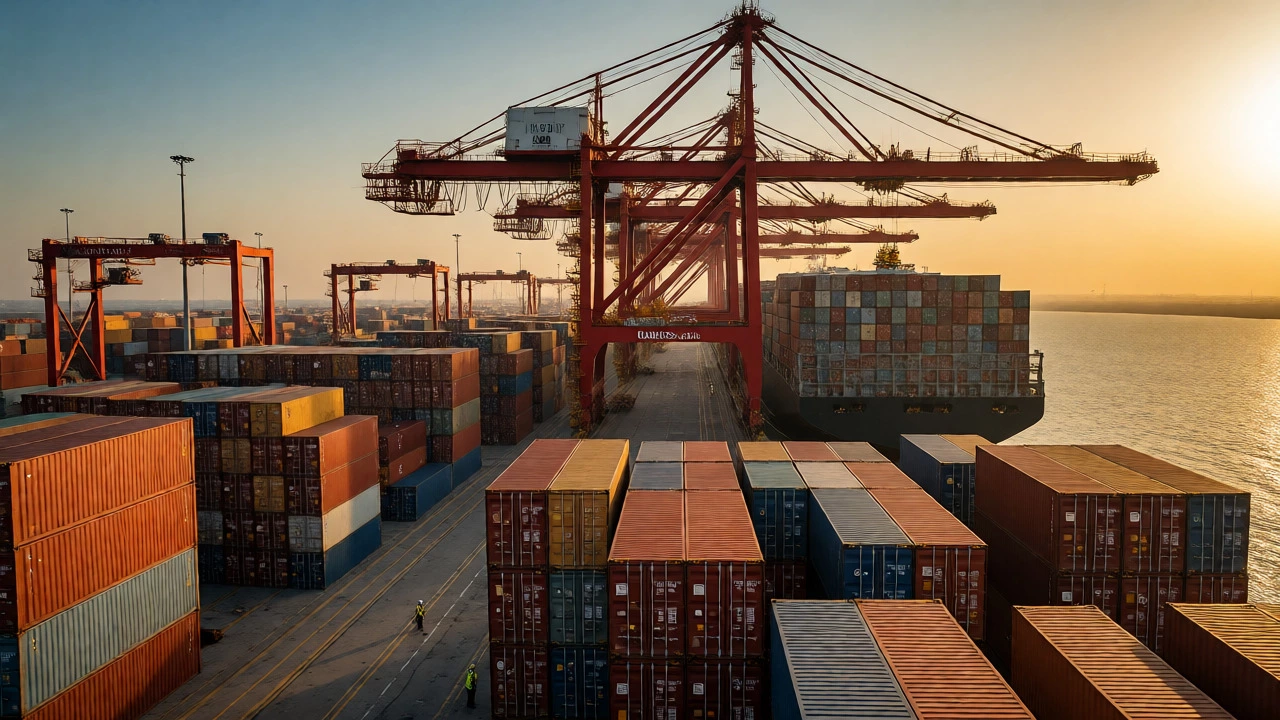
You might think of India as a land of textiles or IT services, but look closer at the shipping containers leaving Mundra or JNPT ports. A massive chunk of them holds chemicals. In fact, India is one of the top ten chemical exporters globally, quietly powering industries from German automotive plants to American pharmacies.
If you are wondering what exactly makes up this trade, it is not just one thing. It is a mix of heavy industrial inputs and high-value niche compounds. Let's break down the specific categories that define India's chemical export landscape in 2026.
The Backbone: Bulk Organic and Inorganic Chemicals
When people ask about volume, they are usually talking about bulk chemicals. These are the raw materials other manufacturers need to make their own products. India has a strong foothold here because of its abundant natural gas reserves and established petrochemical infrastructure.
Methanol and ammonia-based fertilizers are huge movers. You will also see significant exports of caustic soda and chlorine derivatives. Why? Because global supply chains have shifted. After energy crises in Europe hit production costs through the roof, many European buyers turned to Indian suppliers for these basic building blocks.
It is not just about cheap labor anymore; it is about scale. Companies like Reliance Industries and Aditya Birla Group have built mega-complexes that produce millions of tons annually. This capacity allows India to undercut competitors on price while maintaining consistent quality standards required by ISO certifications.
The High-Value Game: Specialty Chemicals
Here is where things get interesting for profit margins. While bulk chemicals move in ships, specialty chemicals move in smaller, more expensive batches. This sector is growing faster than any other part of the industry.
Think about the additives in your car’s paint, the flame retardants in your smartphone casing, or the active ingredients in your sunscreen. Many of these come from India. The country has become a global hub for contract manufacturing organizations (CMOs) that produce complex molecules for Western clients.
| Category | Primary Use Cases | Key Export Markets | Growth Driver |
|---|---|---|---|
| Bulk Petrochemicals | Plastics, Fertilizers, Textiles | Southeast Asia, Africa, EU | Cost efficiency & Scale |
| Specialty Chemicals | Paints, Electronics, Cosmetics | USA, Germany, Japan | Technical expertise & R&D |
| Pharmaceutical Intermediates | Generic Drug Production | North America, Europe | API dependency shift |
| Agrochemicals | Pesticides, Herbicides | Latin America, Africa | Global food security needs |
Why is this happening? Regulatory pressure in China played a big role. Stricter environmental laws forced many Chinese chemical plants to shut down or upgrade. Global companies needed an alternative supplier with similar technical capabilities but lower regulatory friction. India stepped into that gap aggressively.
Pharmaceutical Intermediates: The Hidden Engine
You likely know India as the "pharmacy of the world" for generic medicines. But before those pills reach your local pharmacy, they start as chemical intermediates. These are complex organic compounds used to synthesize Active Pharmaceutical Ingredients (APIs).
This segment is critical. If you look at US drug shortages, they often trace back to supply chain issues with Indian intermediates. Exports here include antibiotics precursors, vitamin derivatives, and hormonal compounds. The relationship between Indian chemical makers and global pharma giants is symbiotic. Without these exports, the global generic drug market would face immediate collapse.

Agrochemicals: Feeding the World
With climate change affecting crop yields globally, the demand for effective pesticides and herbicides is rising. India is a major exporter of agrochemicals, particularly insecticides and fungicides.
Countries in Latin America and Africa rely heavily on Indian formulations. Why? Cost-effectiveness. Indian manufacturers have mastered the art of producing generic versions of patented drugs once their patents expire. They can offer high-quality solutions at prices that farmers in developing nations can actually afford. This isn't just charity; it's smart business targeting emerging markets.
Dyes and Pigments: Coloring the Industry
Ever wonder why textile dyes are so affordable? Much of the credit goes to India. The country is one of the largest producers of synthetic dyes and pigments in the world. From acid dyes for wool to reactive dyes for cotton, Indian factories supply a vast array of colors to the global textile industry.
This sector faces challenges, though. Environmental regulations regarding effluent treatment are tightening. Manufacturers investing in zero-liquid discharge technologies are winning contracts over those who aren't. It is a classic case of compliance becoming a competitive advantage.
Emerging Trends: Green Chemistry and Digitalization
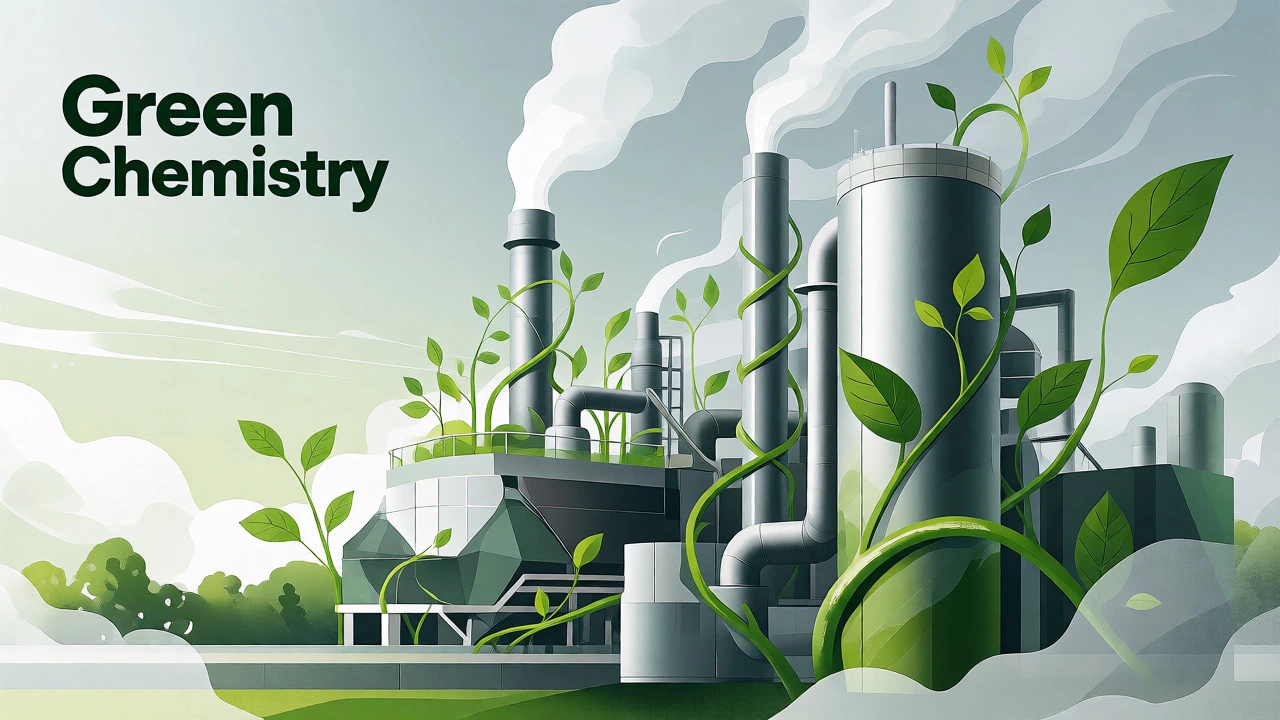
The conversation around chemical exports is changing. Buyers are no longer just asking about price and delivery time. They are asking about carbon footprints. European Union regulations, like the Carbon Border Adjustment Mechanism (CBAM), are forcing exporters to prove their processes are cleaner.
Indian companies are responding by adopting green chemistry principles. This means using less toxic solvents, recycling water, and optimizing energy use. Those who fail to adapt risk losing access to premium markets. Additionally, digital platforms are making it easier for small and medium enterprises (SMEs) to find international buyers directly, bypassing traditional trading houses.
Challenges to Watch
It is not all smooth sailing. Logistics remain a pain point. Port congestion and inland transportation costs can eat into margins. Also, currency fluctuations impact profitability. When the Rupee strengthens against the Dollar, exports become more expensive for foreign buyers.
Another hurdle is intellectual property protection. While improving, concerns about IP enforcement still linger among some Western partners. However, initiatives like the Make in India campaign and improved patent laws are helping to build trust.
Final Thoughts
So, what does India export? It exports the invisible ingredients that keep modern life running. From the plastic in your bottle to the medicine in your cabinet, Indian chemicals are everywhere. The shift from low-cost bulk goods to high-value specialty products marks a new era for the industry. For businesses looking to source chemicals, understanding this diversity is key to navigating the global supply chain effectively.
Which countries import the most chemicals from India?
The United States, China, Germany, and Brazil are among the top importers. Southeast Asian nations like Vietnam and Bangladesh also import significant volumes, primarily for textile and electronics manufacturing.
Is India better at exporting bulk or specialty chemicals?
Historically, bulk chemicals dominated by volume. However, specialty chemicals are now the fastest-growing segment by value due to higher margins and increased technical complexity demanded by global clients.
How do environmental regulations affect Indian chemical exports?
Stricter global norms, such as the EU's REACH regulation and CBAM, force Indian manufacturers to adopt cleaner production methods. Compliance is now a prerequisite for accessing premium Western markets.
What role does the pharmaceutical sector play in chemical exports?
Pharmaceutical intermediates and APIs form a critical pillar of exports. India supplies a large portion of the raw materials needed for generic drug production worldwide, making it indispensable to global healthcare supply chains.
Are there opportunities for small businesses in this sector?
Yes, especially in niche specialty chemicals and agrochemicals. Digital B2B platforms have lowered entry barriers, allowing SMEs to connect directly with international buyers without relying solely on large trading houses.