Manufacturing Business Profitability Calculator
Calculate Your Manufacturing Profit Potential
Food Processing
Key Insight:
Electronics Manufacturing
Key Insight:
When people think of manufacturing, they often picture huge factories with smokestacks and assembly lines. But today’s most successful manufacturing businesses aren’t always the biggest-they’re the smartest. In 2026, two industries stand out not just for their size, but for their growth, resilience, and profit potential: food processing and electronics manufacturing. These aren’t just trends; they’re essential parts of daily life that keep growing, no matter the economy.
Food Processing: The Always-Needed Industry
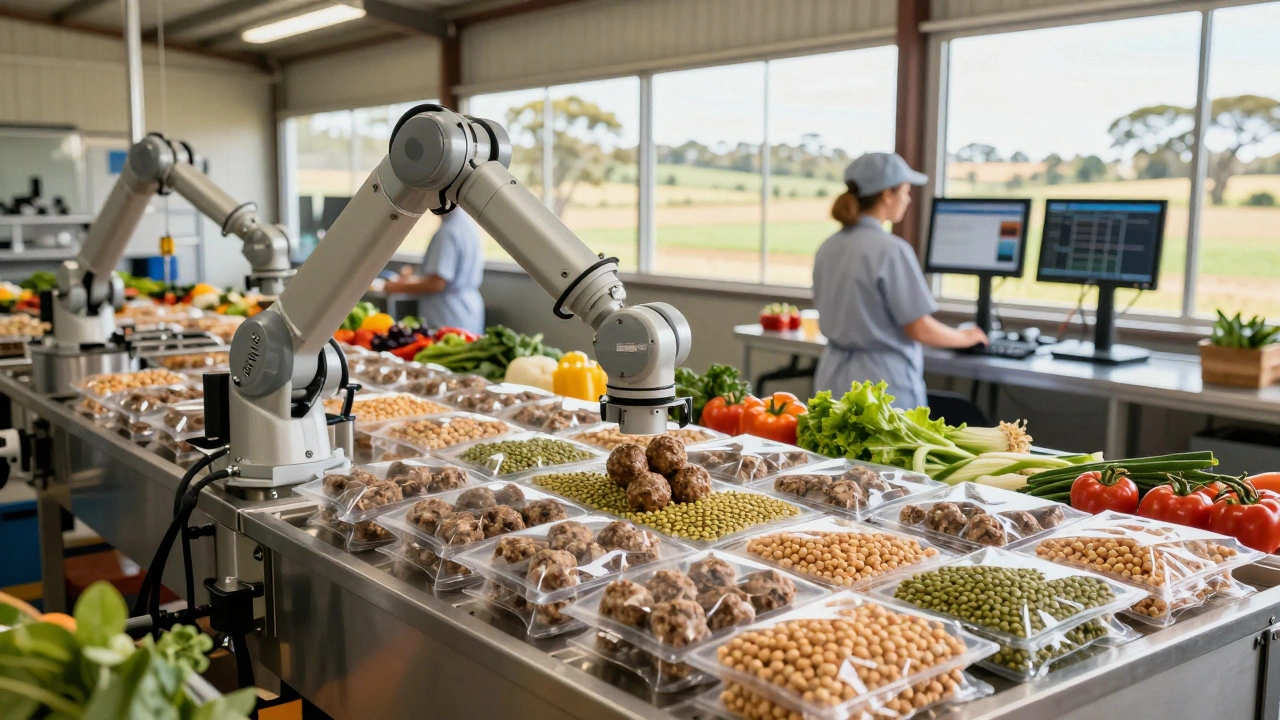
Everyone eats. That’s the simple truth behind why food processing is one of the top manufacturing businesses today. It’s not just about canning vegetables or bottling soda. Modern food processing includes ready-to-eat meals, plant-based proteins, functional snacks, and customized nutrition for specific diets-like keto, gluten-free, or high-protein options for athletes and seniors.
In Australia alone, the food processing sector added over 12,000 jobs between 2023 and 2025. Why? Because consumers want convenience without sacrificing quality. Companies that focus on local sourcing, minimal additives, and sustainable packaging are winning. For example, a small business in regional Victoria now makes plant-based meatballs using locally grown lentils and chickpeas. They ship nationwide and have doubled revenue every year since 2022.
What makes this industry so strong? It’s not flashy, but it’s stable. Even during economic downturns, people still need to eat. And with rising food prices, manufacturers who can reduce waste and optimize supply chains are seeing margins improve. Automation plays a big role too-robotic sorters, AI-powered quality control, and smart packaging lines cut labor costs while improving consistency.
Startups in this space don’t need million-dollar factories. A small commercial kitchen, a few key certifications, and a solid brand story can get you started. The real edge? Speed to market. If you can get a new product from idea to shelf in under 90 days, you’re ahead of most competitors.
Electronics Manufacturing: The Tech Engine Behind Everything
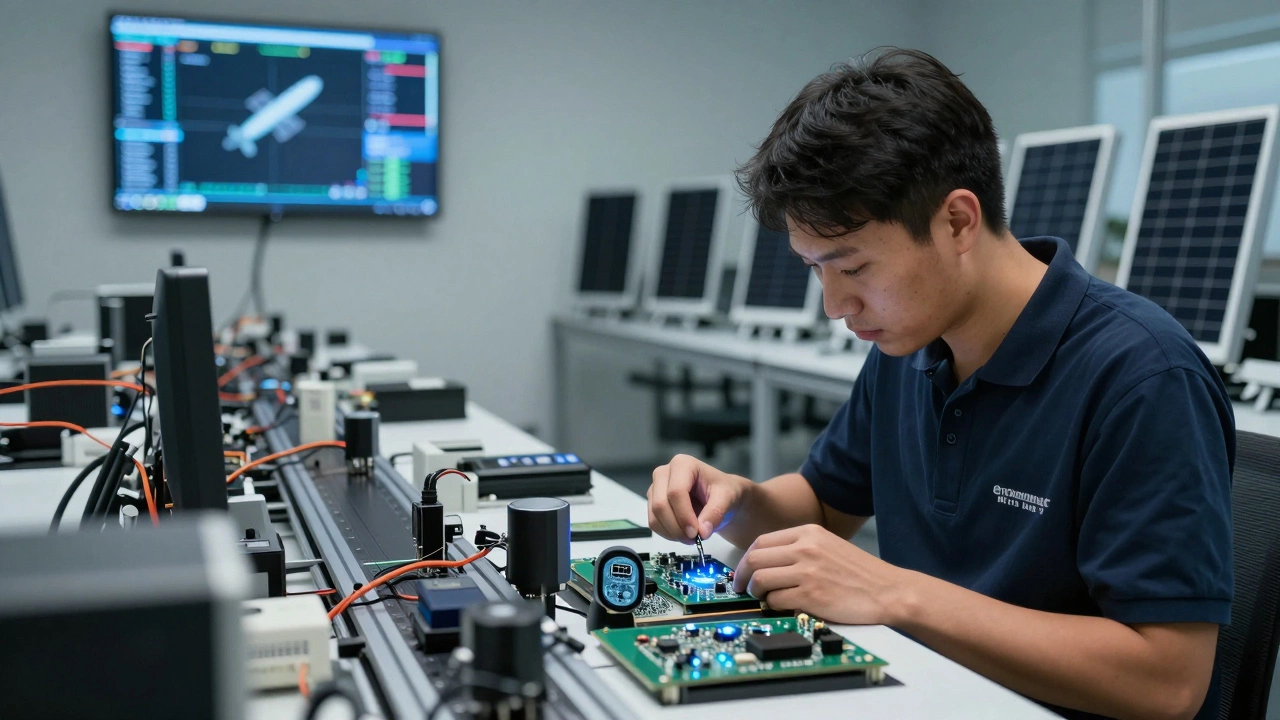
From smart thermostats to medical wearables, electronics manufacturing is the hidden backbone of modern life. And it’s not just about smartphones anymore. The real growth is in specialized, low-volume, high-value products: IoT sensors for agriculture, compact battery packs for solar systems, and modular components for home automation.
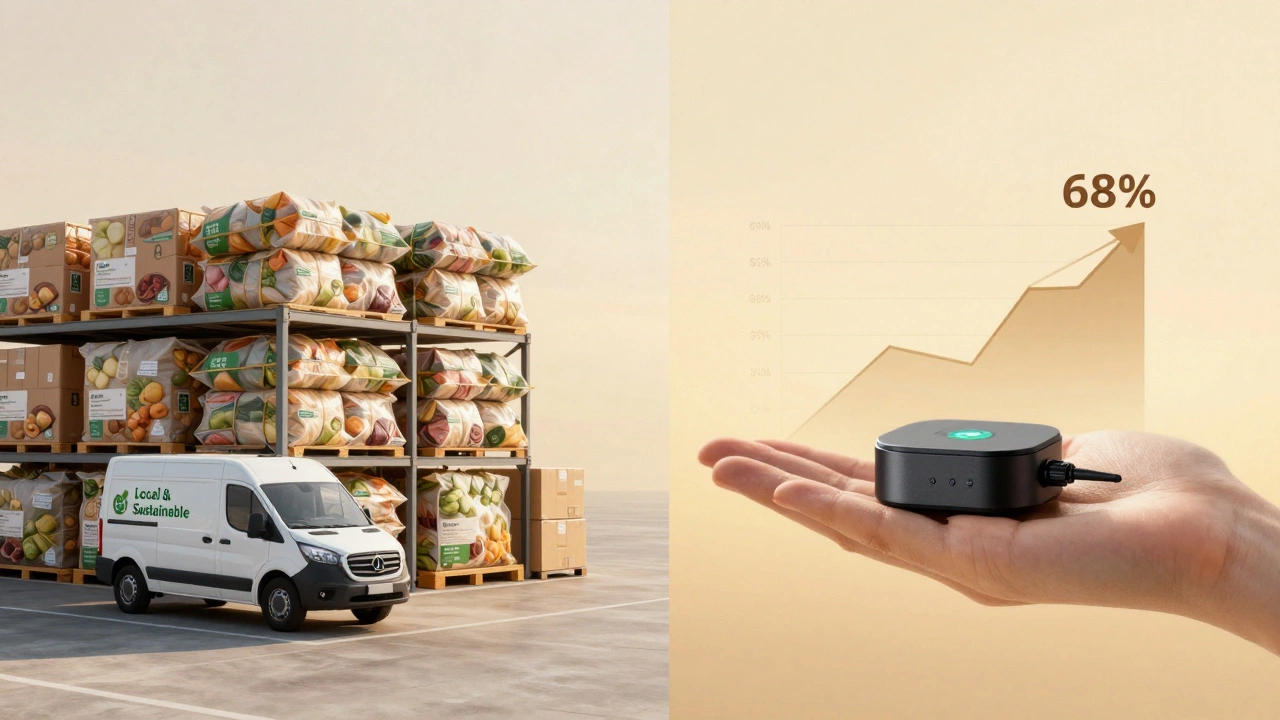
In 2025, global demand for custom electronics rose by 37% compared to 2023. Why? Because businesses and homeowners alike are looking for smarter, more connected solutions. A company in Perth now assembles small environmental monitoring devices for vineyards. Each unit tracks soil moisture, temperature, and sunlight-and sends data via satellite. They sell for $450 each, with a 68% gross margin. That’s manufacturing at its most profitable.
This industry thrives on flexibility. Unlike mass-produced gadgets, many of today’s electronics are built in batches of 500 or even 50. That means you don’t need a billion-dollar plant. A clean room, surface-mount technology (SMT) machines, and skilled technicians can run a lean operation. Many small manufacturers partner with design firms to create products, then outsource assembly to contract manufacturers when scaling up.
One big advantage? Intellectual property. If you design a unique circuit board or firmware, you own it. That creates long-term value. A single patented component can power a product line for years. And with global supply chains still adjusting after pandemic disruptions, local electronics manufacturing is seeing renewed interest. Countries like Australia are offering grants for companies that bring tech production back onshore.
Why These Two? The Real Reasons
Why not steel? Why not textiles? Those industries are important, but they’re either saturated or heavily impacted by global competition. Food processing and electronics manufacturing have something others don’t: direct consumer demand, room for innovation, and scalability from small to large.
Food processing taps into health trends, aging populations, and the rise of home delivery. Electronics manufacturing rides the wave of automation, remote monitoring, and smart infrastructure. Both benefit from government incentives-whether it’s tax breaks for sustainable packaging or funding for local tech production.
Another key difference: margins. A typical food processor might make 15-20% net profit after costs. A smart electronics manufacturer? 30-50%. That’s because electronics often carry proprietary tech, while food is more of a commodity. But food has volume-millions of units sold monthly. Electronics have value-hundreds of dollars per unit. Together, they offer two powerful paths to profitability.
What You Need to Get Started
If you’re thinking about starting a manufacturing business in one of these fields, here’s what actually matters:
- Start small, test fast-Don’t build a factory on day one. Make 100 units. Sell them online. See if people pay.
- Focus on niche markets-Trying to sell to everyone means you’ll lose to big brands. Target a specific group: pet owners, gardeners, seniors, remote workers.
- Use local suppliers-It cuts costs, reduces delays, and appeals to eco-conscious buyers.
- Get certified early-For food: HACCP, FSANZ. For electronics: CE, RoHS. These aren’t red tape-they’re trust signals.
- Track your unit economics-Know your cost per unit, shipping cost, and break-even point. If you can’t calculate it, you’re guessing.
The Bottom Line
There’s no magic formula for manufacturing success. But if you pick the right field, you don’t need magic-you need execution. Food processing gives you volume and steady demand. Electronics manufacturing gives you innovation and high margins. Both are growing, both are adaptable, and both are within reach if you start smart.
Forget the idea that manufacturing means big capital and risky bets. Today, it’s about agility, niche focus, and understanding real human needs. The top two manufacturing businesses in 2026 aren’t the loudest. They’re the ones solving everyday problems-quietly, reliably, and profitably.
Are small manufacturing businesses still profitable in 2026?
Yes, especially in food processing and electronics manufacturing. Small businesses that focus on niche markets, use automation wisely, and keep overhead low are outperforming larger competitors. Many earn six-figure profits with under 10 employees and a single production line.
Do I need a factory to start a manufacturing business?
No. Many successful manufacturers start in shared industrial spaces, rented kitchens, or even garage workshops. For food, a commercial kitchen lease costs as little as $800/month in regional Australia. For electronics, contract manufacturers handle assembly-you just design and supply components.
What’s the biggest mistake new manufacturers make?
Trying to be everything to everyone. The most successful manufacturers focus on one product, one customer group, and one distribution channel. Trying to launch five products at once or sell to retailers, online, and wholesale all at once leads to burnout and cash flow problems.
How long does it take to break even in manufacturing?
Most profitable small manufacturers break even within 8 to 14 months. Food businesses often hit breakeven faster because of lower upfront costs. Electronics can take longer due to tooling and certification delays, but higher margins make up for it. Tracking unit costs from day one is the key to predicting your timeline.
Can I start a manufacturing business without engineering or food science experience?
Absolutely. Many founders partner with experts-hiring a food technologist part-time or working with a contract electronics designer. Your job isn’t to be the expert; it’s to identify the need, build the brand, and manage operations. The technical work can be outsourced.