Indian Car Brand Matchmaker
Not sure which homegrown brand fits your lifestyle? Answer a few questions and we'll match you with the right manufacturer!
What is your primary priority when buying a vehicle?
Your Perfect Match!
Brand Name
Quick Takeaways
- Tata Motors and Mahindra & Mahindra are the undisputed leaders of homegrown Indian brands.
- The industry has shifted from budget-friendly city cars to high-safety SUVs and cutting-edge EVs.
- India is now a global export hub, sending vehicles to Africa, Latin America, and Southeast Asia.
- The push for electric mobility (EVs) is currently led by domestic players rather than foreign giants.
The Titans of Indian Roads
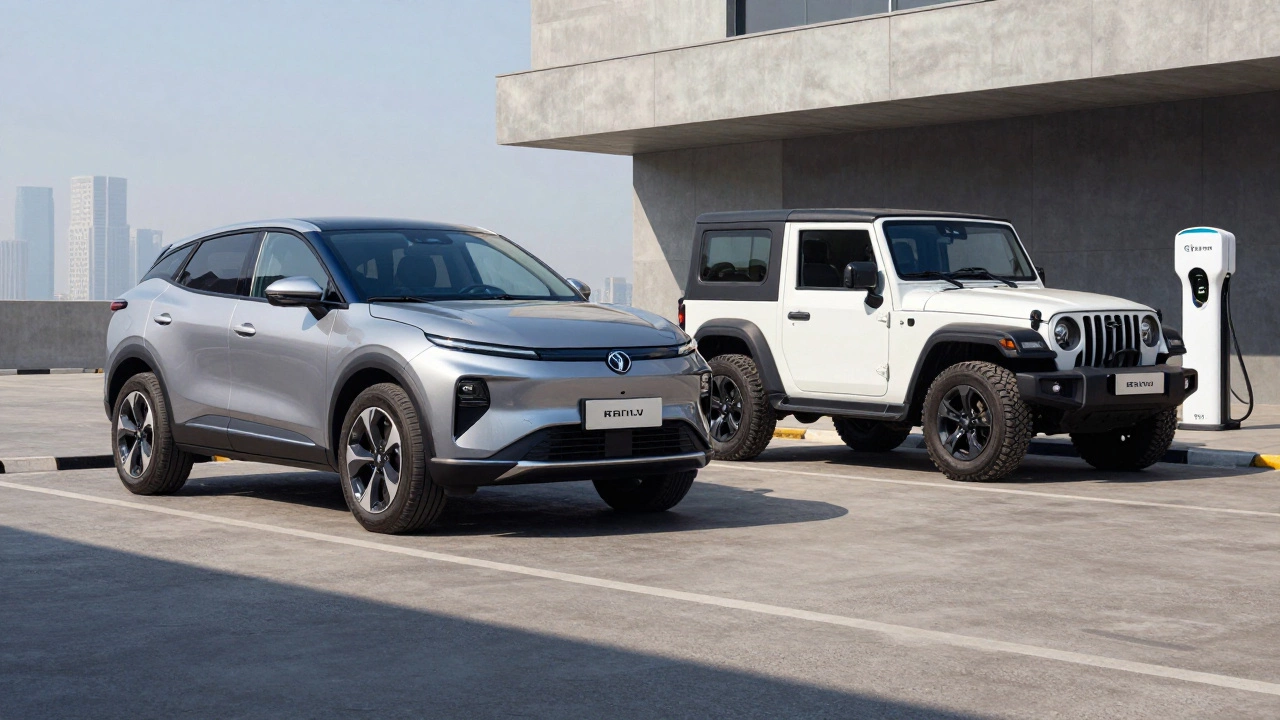
When people ask about Indian car brands, the conversation always starts with Tata Motors is a global automotive manufacturer based in Mumbai that produces cars, trucks, and buses. They aren't just making cars; they're redefining safety. For years, Indian cars were seen as fragile. Tata flipped the script by focusing on Global NCAP ratings. Their move to create a "safe" brand identity has made them a favorite for families who used to only trust European brands. From the budget-friendly Tiago to the rugged Safari, they cover the whole spectrum.
Then you have Mahindra & Mahindra is a diversified conglomerate specializing in SUVs and tractors, known for rugged off-road capabilities. If Tata is about safety and city slickness, Mahindra is about grit. They basically own the SUV segment in India. Think of the Scorpio or the Thar-these aren't just vehicles; they are cultural icons in India. Mahindra focuses heavily on the "lifestyle' aspect of driving, targeting people who want to go off-road or need a vehicle that can survive a monsoon-flooded street without breaking a sweat.
The Evolution from Basics to Luxury
It wasn't always this way. Remember the Maruti 800? While Maruti Suzuki is India's largest car seller, it is actually a joint venture between the Indian government (initially) and the Japanese giant Suzuki, it isn't a "purely" Indian brand in terms of intellectual property. That distinction is why Tata and Mahindra stand out. They own the patents, the designs, and the engineering.
The journey started with basic transportation. Indian brands used to focus on fuel efficiency above everything else. But look at the current market. You have the Tata Nexon, which isn't just a small crossover but a tech-heavy machine with ventilated seats and advanced infotainment. The shift is clear: Indian consumers now want luxury, and homegrown brands are delivering it without the European price tag.
| Feature | Tata Motors | Mahindra & Mahindra |
|---|---|---|
| Core Strength | Safety & EV Infrastructure | Off-roading & Rugged SUVs |
| Key Model | Nexon / Punch | Thar / XUV700 |
| Market Strategy | Urban mobility & Safety | Adventure & Power |
| EV Presence | Market Leader (Tiago.ev, Nexo.ev) | Growing (XUV400) |
The Electric Revolution
Here is something surprising: in the race to go green, Indian brands are actually beating the global giants in their own backyard. While brands like Tesla aren't officially in India, Electric Vehicles (EVs) are exploding thanks to domestic innovation. Tata Motors didn't wait for a perfect market; they launched the Nexon EV and basically created the segment. They used a strategy of "affordable luxury," making EVs accessible to the middle class.
The focus isn't just on the car, but the ecosystem. We're seeing a massive rollout of charging stations across highways. Mahindra is also pivoting, moving away from their diesel-heavy heritage to launch the "Born Electric" range. This is a critical pivot because the Indian government is pushing hard for FAME II is a government scheme providing subsidies to promote the adoption of electric and hybrid vehicles in India, making it cheaper for the average person to switch to an EV.

Niche Players and New Entries
Beyond the big two, there are interesting niche players. You might have heard of Force Motors is a manufacturer specializing in utility vehicles and tempo travelers used primarily for commercial transport. They don't do flashy consumer cars, but if you need to move 15 people across a mountain range, they are the go-to. They represent the "utilitarian" side of Indian manufacturing.
And then there's the new wave. Startups are entering the fray, focusing on micro-mobility. Companies like Ola Electric is a tech-driven company focusing on high-performance electric scooters and urban mobility solutions. While they started with two-wheelers, the ambition to disrupt the four-wheeler space is palpable. The entry of tech-first companies is forcing traditional brands like Tata to update their software and user interfaces faster than ever before.
Why India is Becoming a Global Hub
You might wonder why these brands are suddenly getting attention globally. It's about the "Value Engineering" approach. India has mastered the art of creating a product that is 80% as good as a luxury German car but costs 30% of the price. This makes them incredibly competitive in emerging markets.
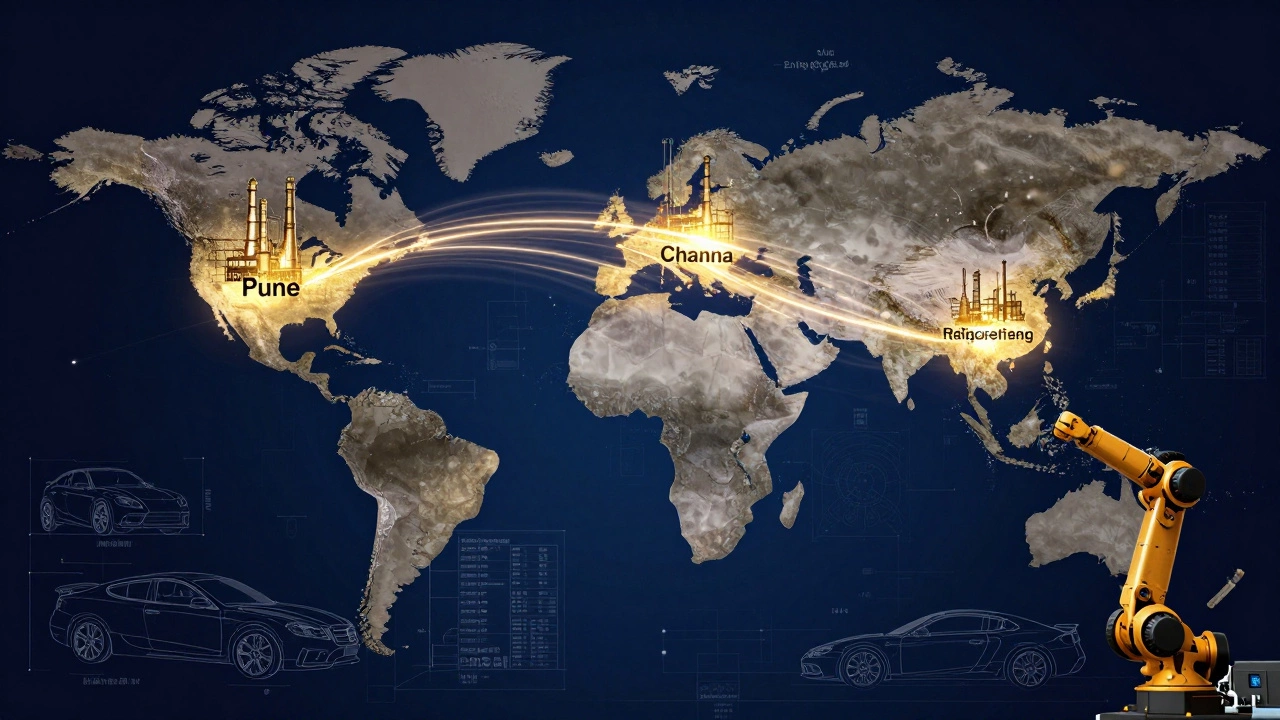
The manufacturing plants in cities like Pune and Chennai have become world-class. They aren't just using local parts; they are integrating Lean Manufacturing is a systematic method for waste minimization within a manufacturing system without sacrificing productivity techniques to keep costs down. When you combine high-quality steel from Indian plants with a massive pool of affordable engineering talent, you get a powerhouse of production.
What to Look for When Buying an Indian Brand
If you're considering one of these cars, don't just look at the brochure. Here are some real-world tips:
- Check the NCAP Rating: If you're looking at Tata, check the Global NCAP score. It's their biggest selling point and usually holds up in real crashes.
- Resale Value: Mahindra SUVs, especially the Scorpio and Thar, hold their value incredibly well in the second-hand market.
- Charging Network: If going electric, check the Tata Power or Jio-bp charging maps. The car is great, but the charger is what matters.
- After-Sales Service: Both brands have massive networks, but the quality varies. Check local reviews for the specific dealership in your town.
Is Maruti Suzuki an Indian brand?
Technically, no. While it is the most popular brand in India and is manufactured there, it is a joint venture with Suzuki from Japan. The core technology and brand ownership are Japanese, unlike Tata or Mahindra which are fully homegrown.
Which Indian car brand is the safest?
Tata Motors currently leads the way in safety. Many of their models, like the Nexon and Punch, have earned 5-star ratings from Global NCAP, which is rare for cars in their price bracket.
Are Indian cars exported to other countries?
Yes, extensively. Both Tata and Mahindra export vehicles to various countries in Africa, Southeast Asia, and Latin America. They are positioned as rugged, cost-effective alternatives to expensive Western brands.
Which is the best Indian EV?
The Tata Nexon EV is widely considered the benchmark for Indian EVs due to its range, build quality, and the widespread charging infrastructure provided by Tata Power.
Do Indian brands make luxury cars?
They are moving in that direction. While they don't compete with Rolls-Royce, models like the Mahindra XUV700 and Tata Safari offer high-end features like panoramic sunroofs, ADAS (Advanced Driver Assistance Systems), and premium interiors that rival mid-range luxury imports.
Next Steps for Buyers
Depending on who you are, your choice will differ. If you're a city dweller wanting a safe, easy-to-park electric car, start your search with Tata's EV lineup. If you're someone who loves weekend trips to the mountains or needs a "presence" on the road, head straight to a Mahindra showroom. For those needing commercial transport or specialized utility vehicles, Force Motors is the logical choice. The best way to decide? Take a test drive on a bumpy road-that's where Indian brands truly show their strength.