Chemical Company Comparison Tool
Compare India's Top Chemical Manufacturers
Select criteria to view how the top 5 chemical companies differ in production capacity, specialties, sustainability, and export reach.
Filter Comparison Criteria
Comparison Results
Industry Insight
The Indian chemical industry is transitioning from bulk commodity production to value-added specialty chemicals. Top manufacturers now prioritize sustainability and compliance with global standards for export markets.
India is one of the fastest-growing chemical manufacturing hubs in the world, producing everything from basic inorganic compounds to high-value specialty chemicals used in pharmaceuticals, agriculture, and textiles. With over 8,000 chemical units and a market size exceeding $200 billion, the country plays a critical role in global supply chains. But not all chemical manufacturers are created equal. Some stand out for scale, innovation, export reach, and reliability. Here are the top five chemical manufacturing companies in India that dominate the industry today.
Reliance Industries Limited
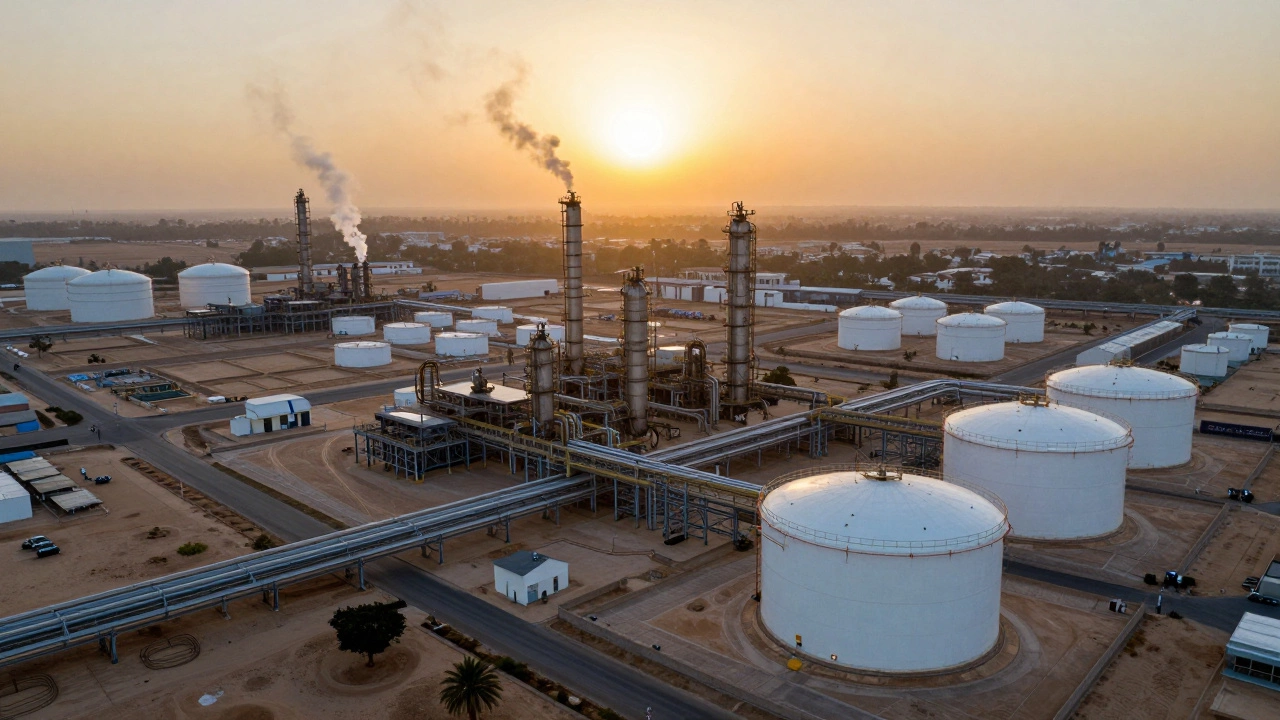
Reliance Industries isn’t just an oil and gas giant-it’s also India’s largest chemical producer by revenue and volume. Its petrochemical division operates the world’s largest integrated petrochemical complex in Jamnagar, Gujarat. This facility churns out over 15 million tonnes of polymers, fibers, and intermediates every year. Reliance produces polyethylene, polypropylene, terephthalic acid, and purified terephthalic acid (PTA), which feed into packaging, textiles, and plastic industries globally.
The company’s vertical integration gives it a massive cost advantage. It processes crude oil into basic chemicals, then converts them into final products without relying on third-party suppliers. In 2025, Reliance’s chemicals segment contributed over $18 billion in revenue, making it the single biggest chemical manufacturer in South Asia. Its R&D centers in Mumbai and Navi Mumbai focus on sustainable polymers and bio-based feedstocks, positioning it for the next decade of green chemistry.
Indian Oil Corporation Limited (IOCL)
While best known for fuel distribution, Indian Oil Corporation has quietly built one of the most robust chemical businesses in the country. Its chemical division produces over 2 million tonnes of petrochemicals annually, including ethylene, propylene, and butadiene. IOCL’s chemical plants in Panipat and Haldia supply raw materials to downstream industries like synthetic rubber, adhesives, and detergents.
What sets IOCL apart is its focus on public sector reliability. It supplies critical chemicals to government-backed programs like the National Mission on Clean Ganga and rural sanitation projects. In 2024, IOCL launched its first bio-based ethylene plant using sugarcane ethanol, reducing carbon emissions by 40% compared to traditional naphtha-based processes. This move has made it a key player in India’s push toward low-carbon chemical manufacturing.
Larsen & Toubro (L&T) Chemicals
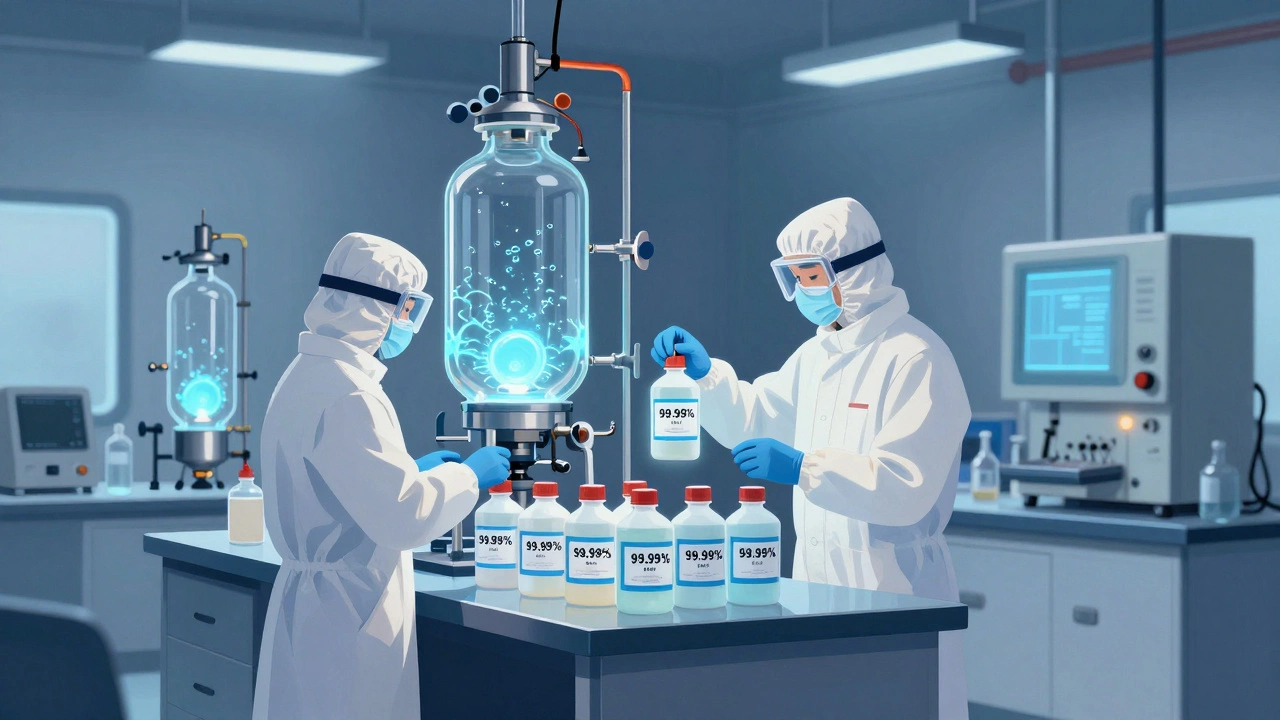
L&T isn’t just about construction and engineering-it has a specialized chemicals arm that serves high-tech industries. L&T Chemicals focuses on specialty chemicals: catalysts, electronic-grade solvents, and high-purity reagents used in semiconductor manufacturing and pharmaceutical synthesis. Its facility in Hazira, Gujarat, produces chemicals with 99.99% purity, meeting global standards for electronics and pharma.
L&T’s chemical division works closely with companies like Intel, Samsung, and Dr. Reddy’s Laboratories. In 2023, it became the first Indian company to supply high-purity hydrogen peroxide for wafer cleaning in semiconductor fabs. With India’s semiconductor mission investing over $10 billion, L&T is positioned to capture a growing share of this niche market. Its chemical products are exported to over 25 countries, including the U.S., Germany, and Japan.
Atul Limited
Founded in 1947, Atul Limited is one of India’s oldest and most respected specialty chemical manufacturers. It produces dyes, pigments, pharmaceutical intermediates, and agrochemicals. Its products are used in global brands like Bayer, BASF, and P&G. Atul’s strength lies in its ability to make complex molecules at scale-like azo dyes for textiles and intermediates for diabetes and hypertension drugs.
What makes Atul unique is its vertical integration across R&D and manufacturing. It owns its own labs in Ahmedabad and Mumbai, where chemists develop custom molecules for clients. In 2025, it launched a new facility for sustainable dye production using waterless printing technology, cutting water usage by 70%. Atul exports 60% of its output and is among the top 10 Indian chemical exporters. Its stock is listed on both BSE and NSE, and it’s one of the few Indian chemical firms with consistent double-digit profit growth for over a decade.
UPL Limited
UPL Limited is India’s largest agrochemical manufacturer and one of the top five global players in crop protection chemicals. It produces herbicides, insecticides, fungicides, and plant growth regulators under brands like UPL, Arysta, and Gowan. Its manufacturing plants are spread across Gujarat, Maharashtra, and Tamil Nadu, with a combined capacity of over 1.2 million tonnes of active ingredients per year.
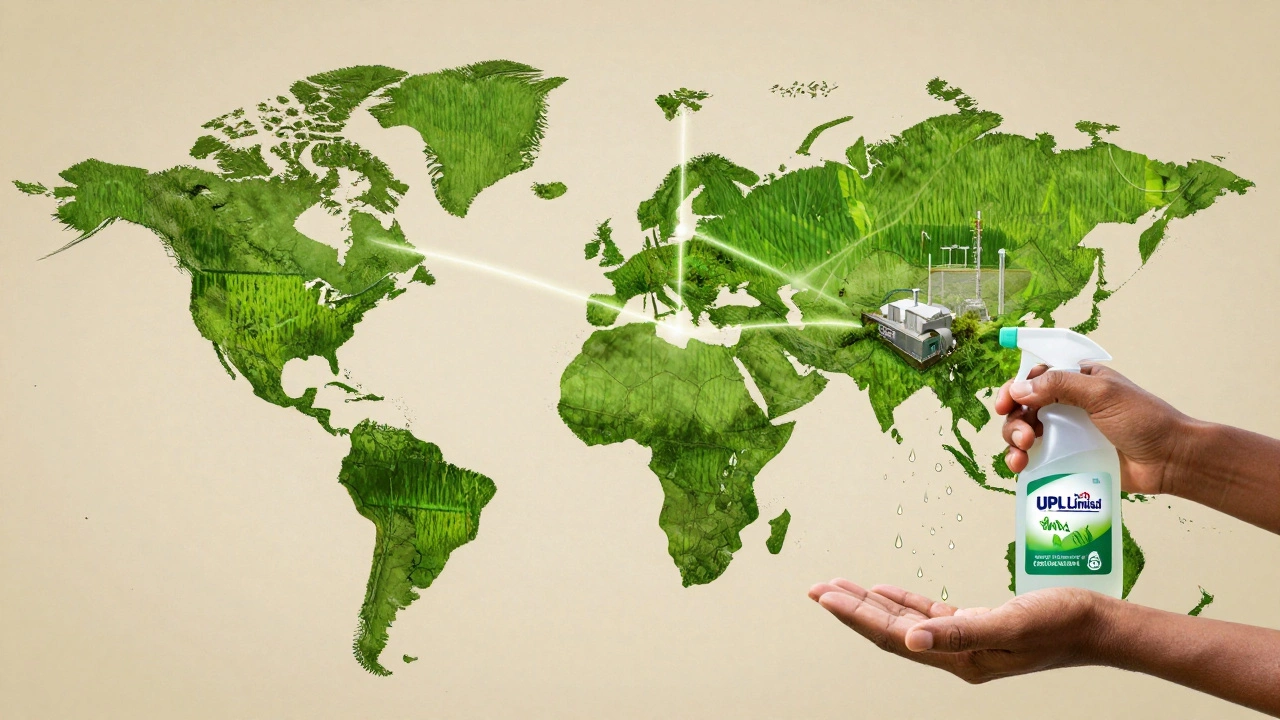
UPL’s global footprint is massive. It operates in over 130 countries and has R&D centers in the U.S., Brazil, and China. In 2024, it acquired a major biopesticide company in France, expanding into organic farming inputs. UPL’s products are used on over 200 million acres of farmland annually. Its focus on formulation technology-making chemicals easier to apply and safer for soil-has earned it awards from the FAO and the Indian Council of Agricultural Research. Unlike many competitors, UPL invests heavily in farmer training programs, ensuring proper use and reducing environmental impact.
Why These Companies Lead
These five companies aren’t just big-they’re strategically positioned. Reliance and IOCL dominate volume and integration. L&T leads in purity and precision. Atul excels in complex molecules and export quality. UPL controls the global agrochemical supply chain. Together, they cover the full spectrum: bulk, specialty, agrochemicals, and high-tech inputs.
What they all share is a move away from commodity production toward value-added chemicals. The old model of selling bulk acids and solvents is fading. The future belongs to companies that can deliver customized, sustainable, and certified products. India’s chemical industry is no longer just about cost-it’s about capability.
What’s Next for India’s Chemical Sector
The government’s Production Linked Incentive (PLI) scheme for specialty chemicals has already attracted over $4 billion in investments. New plants are being built for lithium-ion battery materials, electronic chemicals, and biodegradable polymers. India is also becoming a hub for green hydrogen-based chemical production, with projects underway in Rajasthan and Gujarat.
Small and medium manufacturers are struggling to keep up. The gap between large players and smaller firms is widening. But for buyers-whether it’s a pharmaceutical startup in Bengaluru or a textile exporter in Tiruppur-the top five companies offer reliable, high-quality supply chains backed by decades of experience.
Which Indian chemical company has the largest production capacity?
Reliance Industries Limited has the largest production capacity in India, with its Jamnagar complex producing over 15 million tonnes of petrochemicals annually. This includes polyethylene, polypropylene, and PTA, making it the biggest integrated chemical facility in South Asia.
Are Indian chemical companies exporting globally?
Yes, all five companies export significantly. Atul Limited exports 60% of its output to over 25 countries. UPL sells products in 130+ countries. L&T Chemicals supplies high-purity chemicals to semiconductor makers in the U.S. and Japan. Reliance and IOCL ship bulk chemicals to Southeast Asia, the Middle East, and Europe.
Which company leads in sustainable chemical manufacturing in India?
Indian Oil Corporation leads in sustainability with its bio-based ethylene plant using sugarcane ethanol, cutting emissions by 40%. Atul Limited has pioneered waterless dyeing tech, reducing water use by 70%. UPL is expanding into biopesticides, and Reliance is investing in bio-based polymers. Together, they’re shifting India’s chemical industry toward greener processes.
Do these companies serve the pharmaceutical industry?
Yes, several do. Atul Limited produces pharmaceutical intermediates used in diabetes and heart medications. L&T Chemicals supplies high-purity solvents and reagents for drug synthesis. Reliance and IOCL provide bulk chemicals used in formulation. UPL’s agrochemicals also overlap with crop protection drugs used in veterinary medicine.
What makes L&T Chemicals different from the others?
L&T Chemicals specializes in ultra-high-purity chemicals for electronics and pharma, not bulk production. Its products meet 99.99% purity standards required for semiconductor manufacturing. It’s the only Indian company currently supplying wafer-cleaning hydrogen peroxide to global chipmakers, giving it a unique niche in the tech supply chain.
Final Thoughts
If you’re sourcing chemicals for your business in India, these five companies are where you start. They have the scale, compliance, and innovation to handle everything from bulk orders to custom formulations. The days of relying on small, inconsistent suppliers are over. The future belongs to those who partner with manufacturers who can guarantee quality, consistency, and sustainability.