Evolution of US Steel Industry
Click on the eras below to explore how the American steel industry evolved from small artisan forges to global industrial giants.
Colonial Iron Age
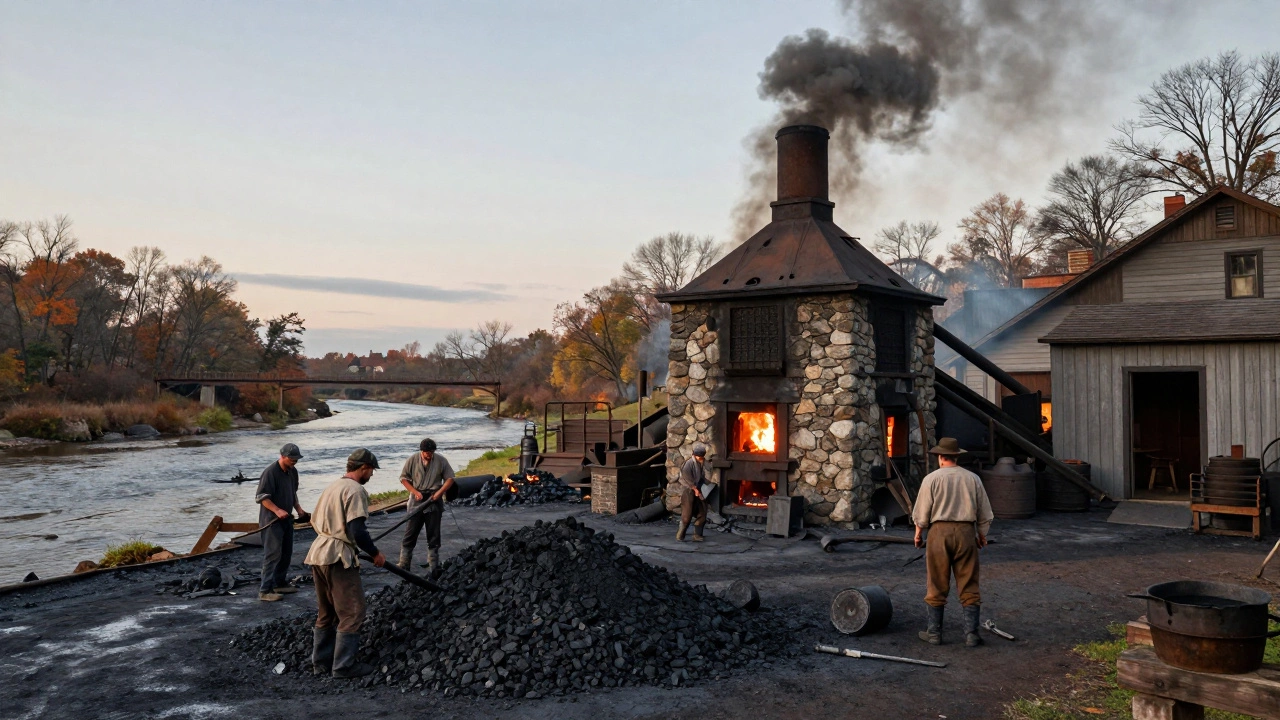
Foundational smelting in charcoal-fired furnaces. Early ironworks in PA and NJ focused on raw iron rather than steel.
The Bessemer Revolution
1856: Henry Bessemer introduces mass production. Steel shifts from a luxury item for tools to a primary building material.
Infrastructure Era
Bethlehem Steel is founded, eventually providing structural steel for the Empire State Building and Golden Gate Bridge.
Industrial Consolidation
US Steel is launched, becoming the first billion-dollar company by integrating mines, mills, and shipping.
The Pivot to EAF
Transition to Electric Arc Furnaces (EAF). The industry shifts from raw ore to recycling scrap steel for efficiency.
Quick Takeaways
- The title of "oldest" depends on whether you mean early iron forging or modern steelmaking.
- Early ironworks in the 1700s laid the foundation for the US industrial base.
- The Bessemer process in the mid-1800s shifted the industry from artisan shops to massive plants.
- Companies like Bethlehem Steel and US Steel defined the era, though many early pioneers are now defunct.
The Iron Age Foundations
Before we had the massive blast furnaces of the 20th century, America relied on small-scale iron works. In the 1700s, the Iron Industry is the precursor to modern steelmaking, focusing on smelting iron ore in charcoal-fired furnaces. These weren't "steel companies" in the way we think of them today, but they were the ancestors. Many of these early ventures were located in Pennsylvania and New Jersey because of the proximity to forests for charcoal and river access for transport.
If you search for the oldest operating entity, you'll find that most colonial-era works disappeared during the Revolutionary War or the War of 1812. However, the transition from iron to steel happened when engineers figured out how to remove impurities from molten iron. This is where the distinction between an "iron company" and a "steel company" becomes critical. Steel is essentially iron with a very low carbon content, and making it consistently required technology that didn't exist in the early 1700s.
The Game Changer: The Bessemer Process
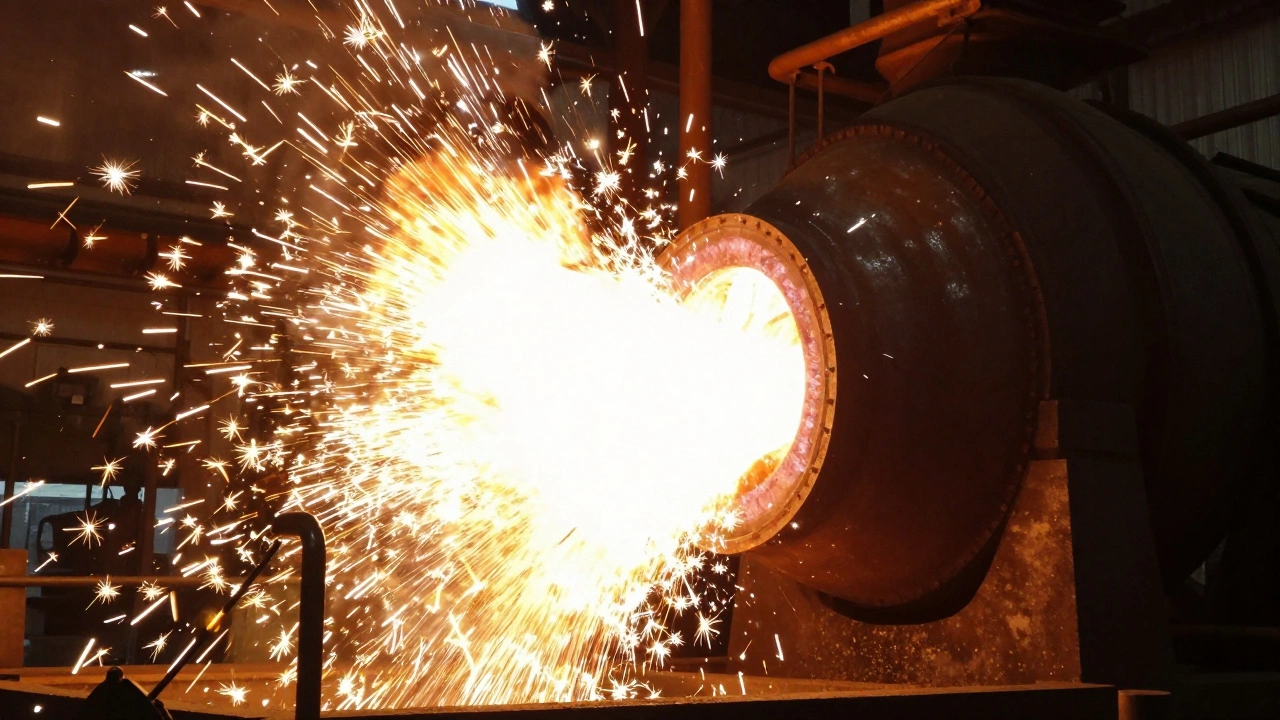
The real birth of the American steel industry happened in the mid-19th century. In 1856, Henry Bessemer introduced a process that allowed for the mass production of steel by blowing air through molten pig iron to remove carbon. Before this, steel was a luxury item used for swords and specialty tools. After the Bessemer process, it became a building material.
This technological leap created a gold rush for industrial entrepreneurs. The focus shifted from the Northeast to the Rust Belt, specifically the areas around Lake Erie and Lake Michigan. Why? Because they had the "perfect storm" of resources: iron ore from the Mesabi Range in Minnesota, coal from Appalachia, and limestone for flux. This geography is why cities like Pittsburgh and Gary, Indiana, became the epicenters of the trade.
The Titans of the Gilded Age
When we talk about the most influential and oldest giants, United States Steel Corporation (US Steel) usually dominates the conversation. Launched in 1901, it was the first billion-dollar company in human history. While not the first company to make steel, it was the first to consolidate the entire supply chain-from the mines to the mills to the ships.
But what about companies that predate US Steel? Many smaller firms existed in the 1860s and 70s, but the industry was brutal. Most were swallowed up by larger competitors or went bankrupt during the Great Depression. Bethlehem Steel, founded in 1881, is another name that comes up. They didn't just make steel; they built the infrastructure of the modern world, including the structural steel for the Golden Gate Bridge and the Empire State Building. However, unlike some of the smaller specialty shops, Bethlehem eventually collapsed under the weight of outdated technology and foreign competition.
| Company | Founded | Primary Impact | Status |
|---|---|---|---|
| Early Colonial Ironworks | 1700s | Foundational smelting | Defunct |
| Bethlehem Steel | 1881 | Infrastructure & Shipbuilding | Defunct |
| US Steel | 1901 | Industrial Consolidation | Active |
| Specialty Forge Shops | Mid-1800s | Tooling & Weaponry | Various |
Why "Oldest" is a Tricky Term
If you are looking for a company that has been producing steel under the same name since the 1700s, you won't find one. The chemistry of steel is the problem. Early "steel" was actually wrought iron or crucible steel, made in tiny batches. The shift to Open Hearth Furnaces, which allowed for better quality control and larger volumes, didn't happen until later in the 19th century.
Most of the companies that survived from the early industrial era did so by merging. When you see a company today that claims to have a "150-year history," they usually mean they acquired a mill that was built in the 1870s. The lineage is often a messy web of acquisitions and bankruptcies. For example, many current plants in the Midwest are the physical descendants of companies that started in the 1880s, even if the corporate name on the building has changed five times.
The Modern Landscape and Survival
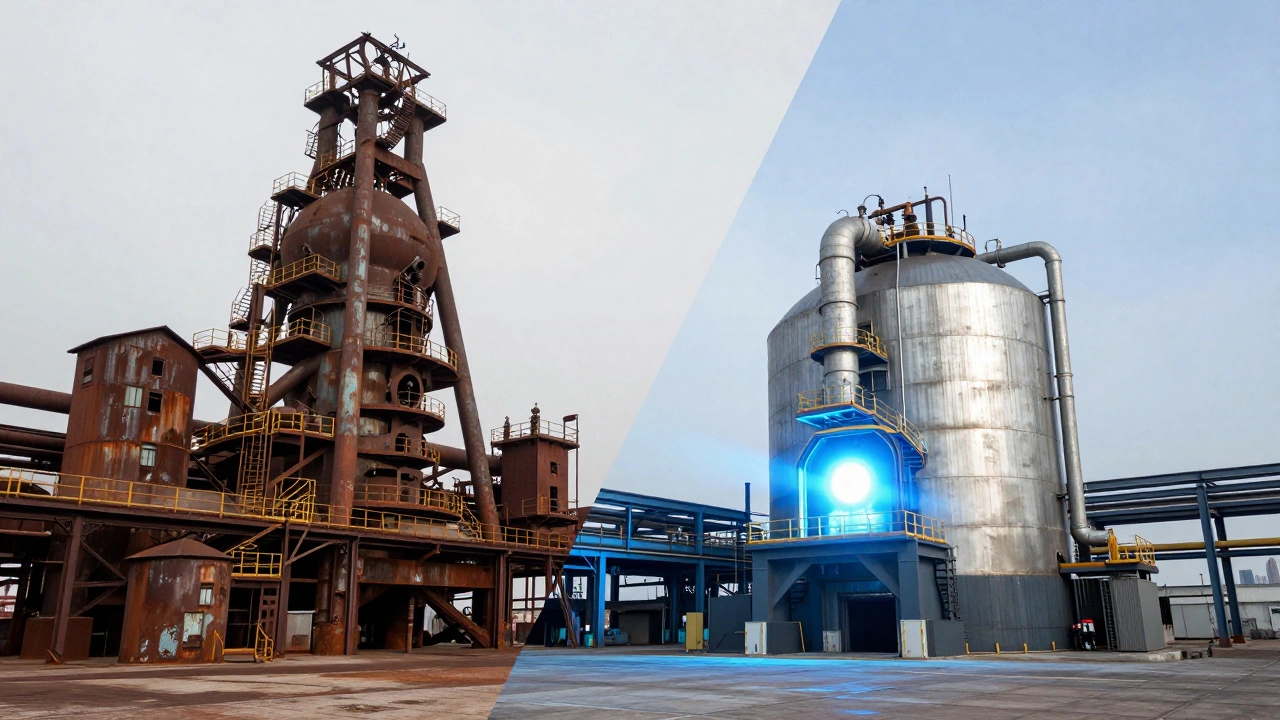
Today, the industry looks nothing like it did in the days of Andrew Carnegie. The shift toward Electric Arc Furnaces (EAF) has changed the game. Unlike the old blast furnaces that needed raw ore and coke, EAFs melt scrap steel. This means the "oldest" companies are no longer the ones with the biggest mines, but the ones who can efficiently recycle materials.
Survival in the steel world requires constant evolution. The companies that lasted the longest weren't necessarily the ones that started first, but the ones that pivoted. The shift from producing basic carbon steel to high-strength alloys for the automotive and aerospace industries saved many mid-sized firms from the fate of the giant integrated mills that rusted away in the 1980s.

Lessons from the Steel Giants
Looking at the history of the oldest steel players tells us a lot about the American economy. The move from small-scale colonial iron to the monolithic structure of US Steel reflects the broader trend of American capitalism: start small, innovate rapidly, and then consolidate for power. The decline of the traditional "Mill Town" also shows how technology can make a geographic advantage obsolete almost overnight.
If you're interested in the physical remnants of this history, visiting the ruins of the Homestead Steel Works or the remaining mills in the Monongahela Valley provides a concrete sense of the scale. These places weren't just factories; they were the heartbeat of the US economy for over a century.
Is US Steel the oldest steel company in the US?
Not necessarily. While US Steel is one of the oldest and most famous integrated steel companies (founded in 1901), there were many smaller steel-producing firms and ironworks that predated it. However, US Steel was the first to achieve a massive, national industrial scale.
What is the difference between an iron company and a steel company?
Iron is a raw metal smelted from ore. Steel is an alloy of iron and carbon. Early American companies produced iron; it wasn't until the mid-1800s that technology like the Bessemer process allowed companies to produce steel in large, consistent quantities.
Why did so many old steel companies go out of business?
Many failed due to a combination of outdated technology (relying on old blast furnaces), high labor costs, and the rise of more efficient production methods in countries like Japan and Germany during the mid-to-late 20th century.
Which state had the most early steel plants?
Pennsylvania was the heart of the early industry, particularly the Pittsburgh area, because of its unique access to coal, iron ore, and the river systems used for transport.
How did the Bessemer process change the industry?
It turned steel from a specialty product used for tools into a commodity. By blowing air through molten iron to burn off impurities, it made steel cheaper and faster to produce, enabling the construction of skyscrapers and massive rail networks.
Next Steps for History Buffs
If you want to dig deeper into the industrial roots of the USA, start by looking into the history of the Carnegie Steel Company. Before it became part of US Steel, it pioneered the vertical integration model. You can also explore the archives of the Smithsonian Institution, which catalogs many of the original tools and furnaces used in the 19th century. For a more modern perspective, looking into how "Mini-Mills" are replacing traditional integrated plants will show you where the industry is headed in 2026 and beyond.