US Market in Manufacturing: Opportunities, Challenges, and Key Trends
When you think about the US market, the largest and most dynamic manufacturing economy in the Western world, also known as the American industrial base, you’re not just looking at factories—you’re seeing a complex system of incentives, skilled labor, and supply chain redesigns that are pulling trillions in global investment. The US manufacturing, a sector that produces everything from semiconductors to heavy machinery, and has seen a resurgence since 2020 due to reshoring and policy support isn’t just recovering—it’s redefining itself. States like Texas, a top hub for electronics and aerospace manufacturing, driven by low taxes and access to ports and pipelines, Georgia, a logistics and automotive powerhouse with one of the fastest-growing workforces in the country, and Arizona, a rising star in semiconductor production thanks to federal subsidies and tech partnerships are where the real action is. These aren’t random picks—they’re strategic bets made by companies that need reliable production, skilled workers, and proximity to North American customers.
The US market doesn’t just attract big names—it’s creating space for smaller players too. Companies that once outsourced everything to Asia are now asking: "Can we make this closer to home?" The answer is yes, and it’s happening in places where land is affordable, unions are less rigid, and state governments offer tax breaks just for creating jobs. This shift isn’t just about politics—it’s about cost, control, and speed. A factory in Tennessee can respond to a design change in 48 hours. One in China might take four weeks. That difference matters when you’re building drones, medical devices, or electric vehicle parts. And here’s the twist: Indian manufacturers aren’t just watching this. They’re positioning to supply it. From precision machined parts to textile components, Indian suppliers are being pulled into US supply chains because they offer quality, flexibility, and lower costs than traditional Asian partners. The US supply chain, a network of suppliers, logistics providers, and factories that’s being rebuilt to reduce reliance on single-source regions is becoming more regional, more resilient, and more open to global partners who can deliver on time and to spec.
What you’ll find in the posts below isn’t just theory—it’s real data on who’s growing, where the money’s flowing, and which states are winning the manufacturing race. You’ll see how Indian companies can tap into this shift, what products are in demand, and why some factories are thriving while others are closing. No fluff. Just facts that matter if you’re building, selling, or investing in manufacturing today.
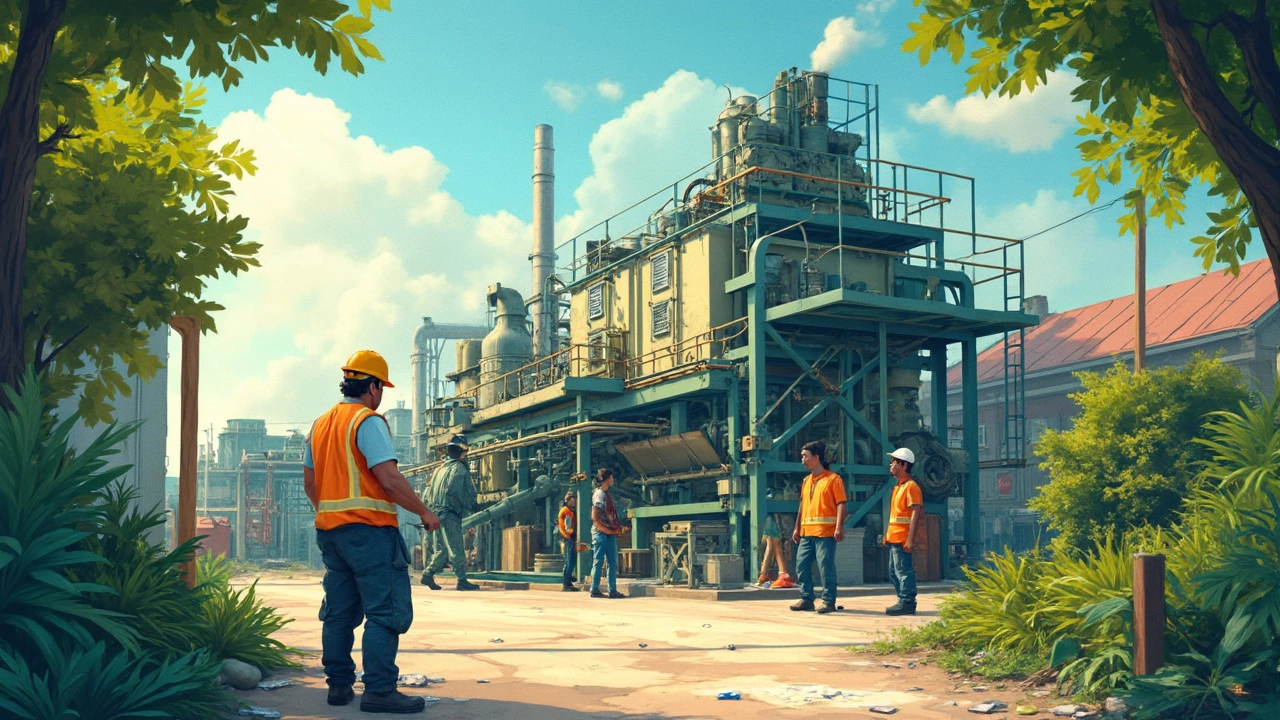
The US plastic manufacturing industry is significant, boasting a large number of companies contributing to a wide range of products, from packaging to automotive parts. Approximately 16,000 companies are hustling in this space, delivering everything from household goods to industrial components. Discover how they're adapting to environmental demands and evolving consumer needs, shaping the future of this industry. Get insights into the role of tech advancements and sustainable practices, and see why this industry is a vital part of the US economy.