Types of Processing in Manufacturing: What They Are and How They're Used in India
When you think about how things are made, you’re really thinking about types of processing, the methods used to transform raw materials into finished goods. Also known as manufacturing processes, these are the hidden steps behind everything from the steel in your car to the bread on your table. In India, these methods aren’t just technical—they’re cultural, economic, and sometimes even centuries old. From hand-carved wood in Mirzapur to automated food lines in Tamil Nadu, processing shapes what gets made, where, and why.
There are food processing, the transformation of raw agricultural products into packaged goods, and it’s one of the fastest-growing areas in India. Think of tomato paste, packaged snacks, or frozen vegetables—each one goes through cleaning, cooking, chilling, or packaging. The most profitable items? Things like spices, oils, and ready-to-eat meals that don’t spoil fast and sell in bulk. Then there’s metal processing, the shaping and refining of metals like steel and aluminum into parts for machines, vehicles, and buildings. India’s steel output is huge, and much of it starts as raw ore and ends as rolled sheets, pipes, or beams—processed in plants from Jamshedpur to Rourkela. And let’s not forget chemical processing, the use of reactions and mixtures to create substances like sodium hydroxide, fertilizers, or dyes. This one’s everywhere: in your soap, your jeans, and even your food packaging. It’s simple, but it drives entire industries.
These aren’t just isolated methods—they connect. A textile mill in Tirupur uses chemical processing to dye fabric, then metal processing to make the machines that weave it. A furniture maker in Uttar Pradesh uses wood processing to shape timber, then applies chemical finishes to protect it. Even small businesses, like a home-based soap maker, rely on basic chemical processing to turn oils and lye into bars. The real difference? Scale. Big factories automate. Small ones adapt. But the core types of processing stay the same.
What you’ll find below are real examples of how these methods play out across India—whether it’s why sodium hydroxide is the most used chemical, how restaurants use food processors to keep up, or which state leads in textile processing. No fluff. Just what’s actually happening on the ground, in factories, and in kitchens.
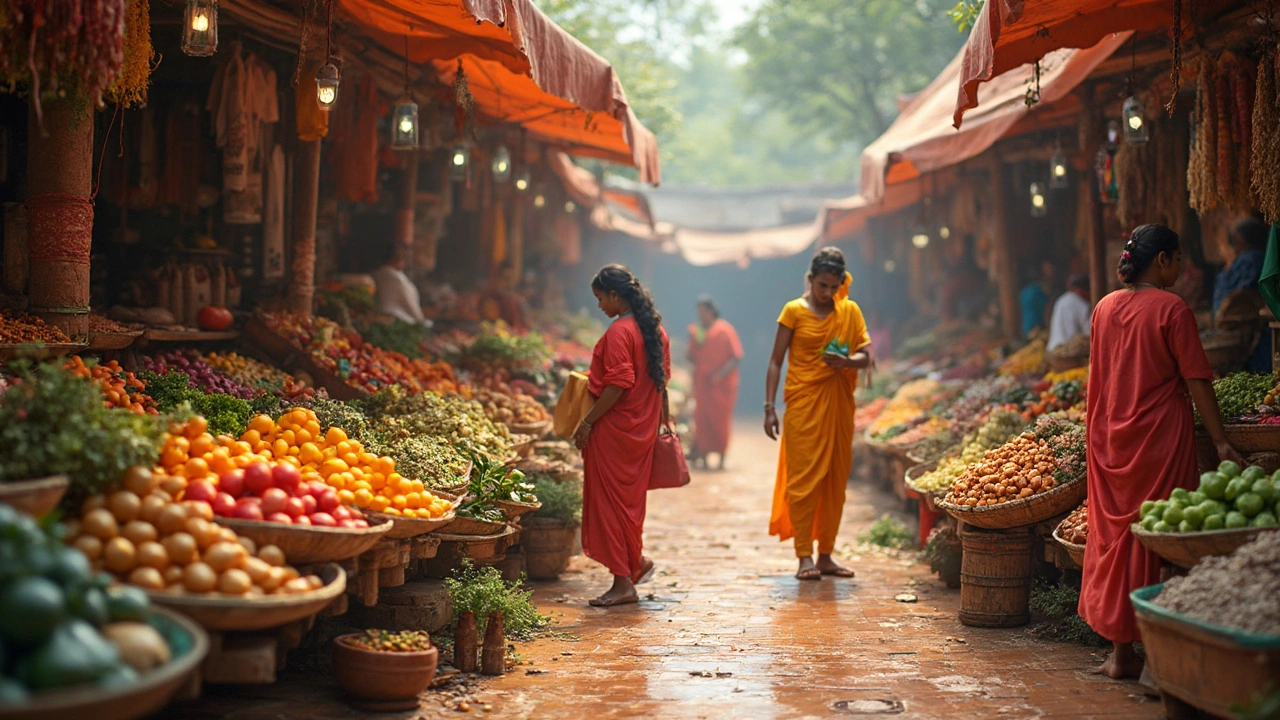
Food processing can be a bit of a mystery, but breaking it down into four levels makes it easier to grasp. From raw and minimally processed foods to heavily processed options, each level serves a different role in what we eat. Learn about how these levels impact nutritional value, shelf life, and your overall eating experience. Discover how understanding processing levels can help you make better food choices. It's all about figuring out what's really in your food and why.