Surat Textiles: India's Fabric Capital and What Makes It Unique
When you think of Surat textiles, a major textile manufacturing hub in Gujarat, India, known for its synthetic yarn, power looms, and massive export volumes. Also known as Surat fabric city, it produces over 80% of India’s synthetic fabric and supplies global brands from H&M to Zara. This isn’t just another industrial city—it’s where raw polyester and cotton turn into the clothes you wear every day, often before you even know their origin.
Surat’s textile ecosystem is built on three things: scale, speed, and specialization. You won’t find handlooms here like in Banarasi or Kanchipuram. Instead, you’ll see thousands of power looms running 24/7, turning out yards of fabric at a fraction of the cost. The city’s suppliers handle everything—from dyeing and printing to finishing—under one roof. That’s why global buyers come here for bulk orders that need to move fast. Cotton textiles, a key material in Surat’s output, especially in blended fabrics used for shirts, sarees, and home linens are processed with precision, often using imported machinery from Italy and Germany. And while places like Tamil Nadu lead in knitwear, Surat owns the woven synthetic market.
What sets Surat apart isn’t just volume—it’s adaptability. When demand shifted to eco-friendly fabrics, Surat factories quickly added recycled polyester lines. When global brands demanded faster turnaround, they upgraded their logistics and digital order systems. Even small units here can produce custom prints in under 48 hours. Textile manufacturing India, a sector that contributes over $40 billion to India’s economy, with Surat as its engine thrives because it listens to the market, not just tradition.
You’ll find stories in the posts below about how Surat’s textile mills compete with China, how local entrepreneurs started with one loom and now export worldwide, and why some of the world’s biggest fashion labels rely on this one city for their fabric needs. There’s also insight into the real costs of running a power loom unit, how dyeing chemicals like sodium hydroxide are used in bulk, and why Surat’s fabric quality often beats cheaper imports. This isn’t just about cloth—it’s about how a city turned industrial grit into global influence.
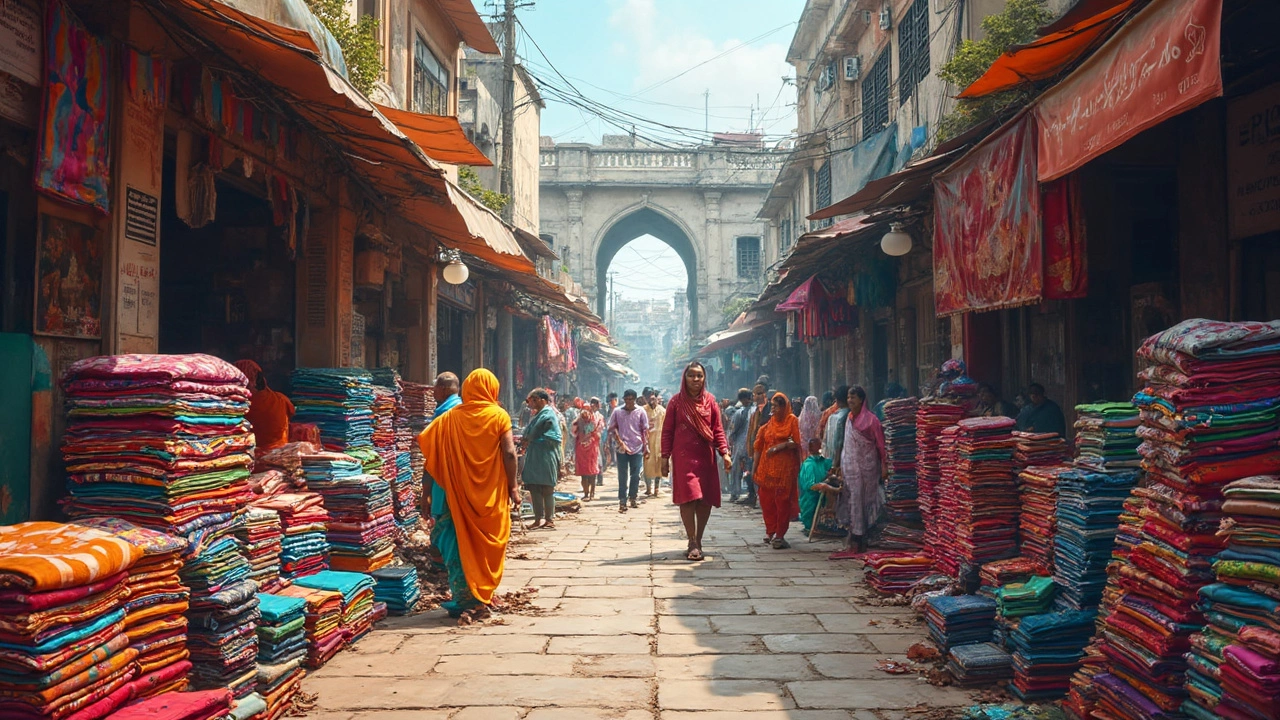
Explore the vibrant city of Surat, often hailed as the largest textile producer city in India. Surat is renowned for its buzzing textile industry and is an essential hub for fabric production. Discover how this city became a textile powerhouse, its impact on fashion trends globally, and some helpful insights for textile enterprises looking to connect with Surat's bustling market.