Surat: India's Fabric City and Textile Powerhouse
Surat, a city in Gujarat, India, known globally for its textile and diamond processing industries. Also known as the fabric capital of India, it produces over 80% of the country’s synthetic fabrics and is home to more than 10,000 weaving units. This isn’t just about cloth—it’s about scale, speed, and skill. While cities like Tirupur make knitwear and Varanasi weaves silk, Surat does both, and better, faster, and cheaper.
Surat’s textile industry runs on a simple truth: local demand meets global supply. The city’s mills turn raw polyester chips into vibrant, durable fabrics used in everything from wedding lehengas to fast-fashion shirts sold in Europe and the US. It’s not magic—it’s machinery, manpower, and decades of refinement. The textile manufacturing India ecosystem here includes spinning, weaving, dyeing, printing, and finishing—all under one roof, often in the same complex. This vertical integration cuts costs and delivery time, making Surat the go-to source for bulk fabric orders worldwide.
What sets Surat apart isn’t just volume—it’s adaptability. When global trends shift, Surat’s weavers adjust. Need a new shade of neon green? Done. Want 50,000 meters of stretchable jacquard? No problem. This responsiveness is why brands like Zara, H&M, and local Indian labels rely on Surat. The Surat fabric city name isn’t marketing—it’s fact. You can walk into any neighborhood and hear the clatter of power looms. You’ll see trucks loaded with bolts of fabric heading to Mumbai ports or Delhi markets. And you’ll find small shops selling fabric by the meter to local tailors who stitch everything from school uniforms to bridal wear.
Surat also leads in innovation. While traditional handlooms still exist, most production is automated. Modern dyeing plants use less water. Solar panels power looms. Waste fabric gets recycled into insulation or stuffing. These aren’t big corporate initiatives—they’re small businesses adapting to survive. The Indian fabric you wear might have been made in Surat, even if the tag says something else.
Behind every meter of fabric is a story—of families who’ve woven for generations, of engineers who fix looms at 3 a.m., of traders who negotiate prices with buyers from Dubai to Brazil. Surat doesn’t just make cloth. It makes livelihoods. And in a world where fast fashion is under scrutiny, Surat’s ability to deliver quality, speed, and affordability makes it more relevant than ever.
Below, you’ll find real insights into how Surat’s textile machine works—from the factories that run it to the markets that depend on it. Whether you’re curious about fabric sourcing, manufacturing costs, or why Surat beats even China on certain textiles, the answers are here.
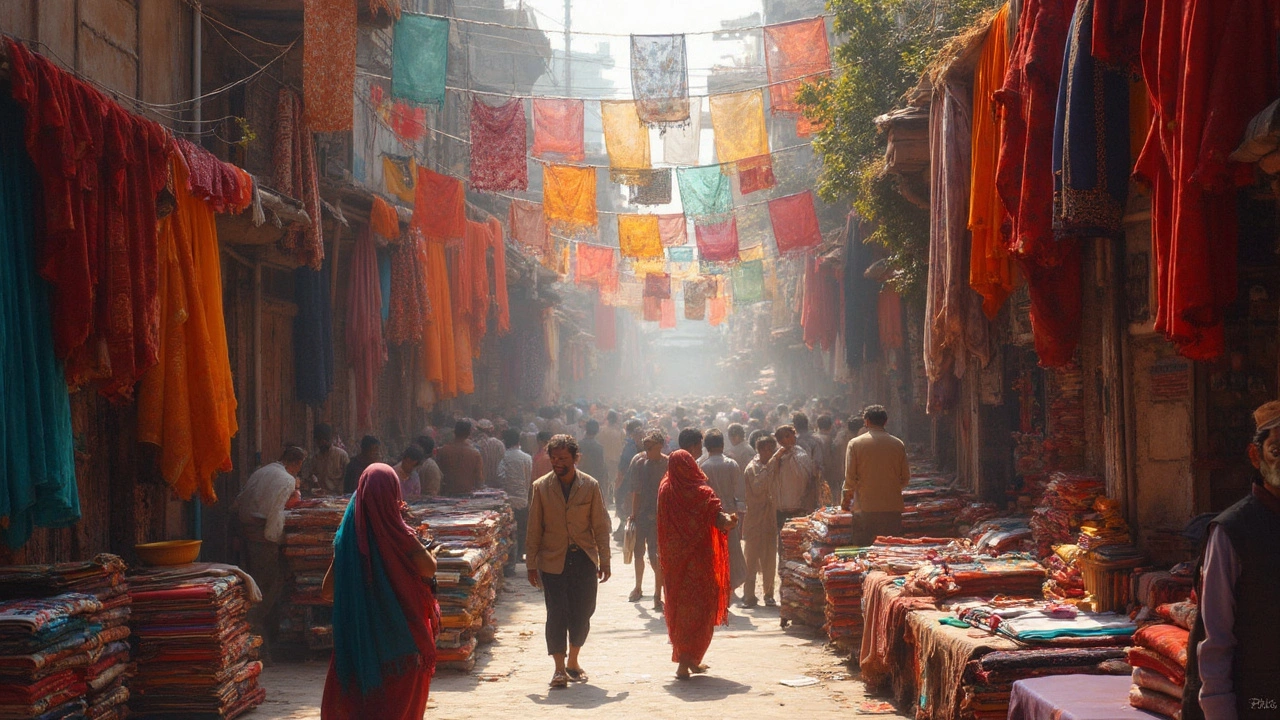
Discover which city in India holds the title of 'Textile City.' Known for producing a significant portion of India's textiles, this city is a hub for fabrics and has a rich history in the textile industry. Learn about its specialties, the types of textiles produced, and why it holds such a prominent position in the industry. Plus, get tips on what to explore if you ever visit!