Steel Strength: What Makes Indian Steel Stronger, Cheaper, and Better
When we talk about steel strength, the ability of steel to resist deformation or failure under load. Also known as tensile strength, it's what holds up bridges, skyscrapers, and the machines that power modern India. It’s not just about how hard the metal is—it’s about consistency, how it’s processed, and who makes it. Indian steel has come a long way from being seen as a low-cost alternative to becoming a reliable choice for global buyers. Why? Because factories here now produce steel that matches international standards, often at a fraction of the price.
What really sets steel apart isn’t just the raw iron—it’s the steel manufacturing, the process of refining iron ore into high-performance steel through controlled heating, alloying, and rolling. In India, this process has gotten smarter. Mills in Jamshedpur, Rourkela, and Bhilai use advanced electric arc furnaces and continuous casting to reduce waste and boost quality. This means the steel you get isn’t just strong—it’s predictable. And when you’re building a factory, a bridge, or even a kitchen shelf, predictability matters more than raw power.
Then there’s the cost factor. steel prices, the market value of steel based on production costs, energy, and global demand. Chinese steel used to dominate because of cheap coal and state subsidies. But India’s advantage? Lower labor costs, growing domestic demand, and government support under Make in India. The result? Steel that’s not only strong but also more affordable for local builders, small manufacturers, and even DIY hobbyists. You don’t need to buy imported steel to get top performance.
And let’s not forget the role of steel production, the full cycle from mining iron ore to delivering finished steel products. India’s steel production jumped over 120 million tons in 2024—making it the second-largest producer in the world. That’s not luck. It’s the result of better infrastructure, skilled workers, and factories that treat quality as non-negotiable. Whether it’s rebar for construction or sheets for appliances, Indian steel is now being tested, certified, and trusted worldwide.
So when you hear someone say "steel is steel," they’re wrong. Not all steel is made the same. Some bends too easily. Some cracks under stress. Some rusts fast. But the best steel—like what’s coming out of India’s modern mills—holds its shape, lasts decades, and doesn’t break the bank. That’s the real meaning of steel strength.
Below, you’ll find real-world breakdowns of how steel compares across countries, who makes the strongest grades, why prices swing, and what businesses are using it to build the future. No fluff. Just facts that matter if you’re buying, building, or just curious about the metal around you.
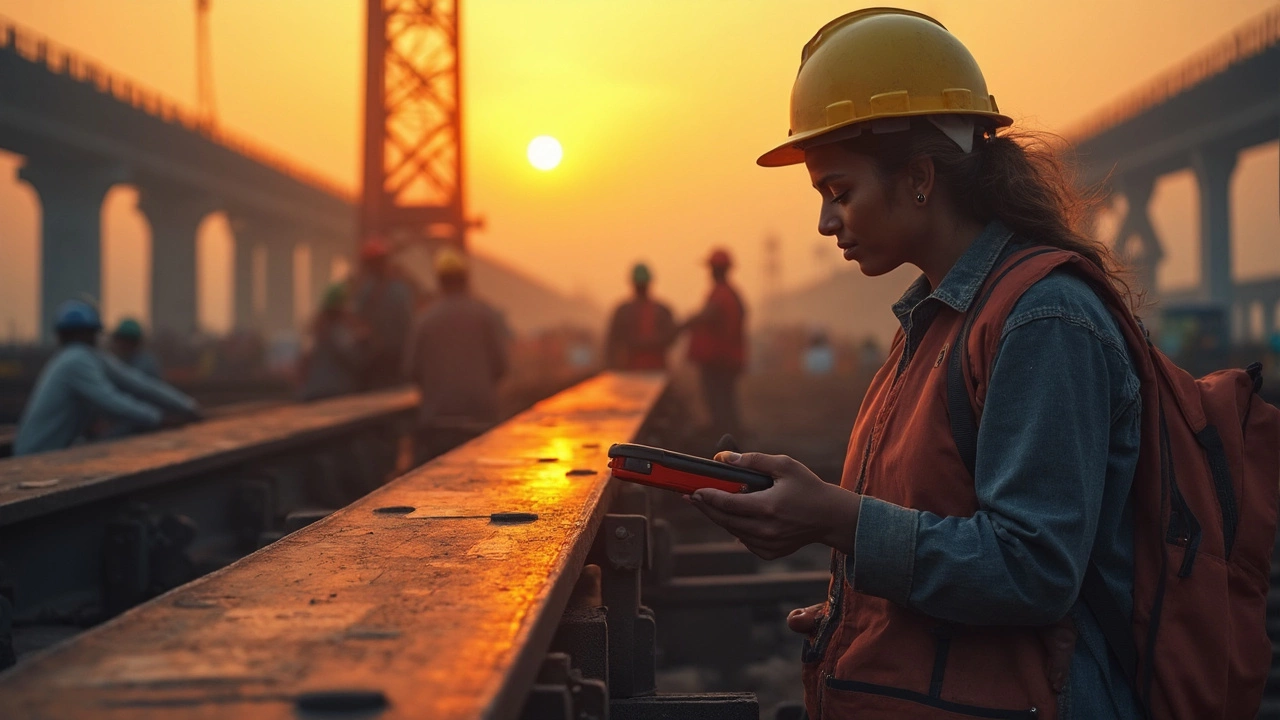
Steel sits at the heart of almost everything, from bridges to home appliances, so knowing if American steel is truly stronger than Chinese steel isn’t just a debate—it's about safety, trust, and cost. This article digs into the reality behind the reputation of both countries’ steel, what actually goes into the strength of steel, and how quality standards affect each batch. You'll find practical tips on how to check steel quality for yourself and get a peek behind the scenes at what matters most in the steel manufacturing process. No jargon, just straight talk you can use.