Steel Quality: What Makes Indian Steel Stand Out in Global Manufacturing
When you think about steel quality, the measure of a steel product’s purity, strength, consistency, and performance under stress. Also known as steel grade, it determines everything from how long a bridge lasts to whether a car frame survives a crash. High steel quality isn’t about flashy marketing—it’s about controlled chemistry, precise heat treatment, and strict testing. In India, this isn’t just a technical detail—it’s becoming a competitive edge.
Indian steel producers now compete with global giants not by being the cheapest, but by getting better at steel manufacturing, the process of turning iron ore and scrap into usable steel through blast furnaces, electric arc furnaces, and continuous casting. Factories in Jamshedpur, Rourkela, and Bhilai are investing in automated quality control, real-time spectral analysis, and ISO-certified testing labs. This means less variation in tensile strength, fewer impurities like sulfur and phosphorus, and more predictable performance. You don’t need to be China or Japan to make good steel—you just need discipline.
What sets Indian steel apart isn’t one single thing—it’s the combination of local demand, government push under Make in India, and growing export confidence. Buyers in Africa, Southeast Asia, and the Middle East are choosing Indian steel because it meets international specs at a better price. But it’s not perfect. Some smaller mills still cut corners, and inconsistent testing can lead to batch failures. That’s why knowing the difference between IS 2062, ASTM A36, or EN 10025 matters. You’re not just buying metal—you’re buying reliability.
When you see steel used in Indian infrastructure, from metro rails to solar tower frames, the quality behind it is often invisible—but it’s the reason those structures still stand after years of monsoons, heat, and heavy loads. The posts below dig into real-world comparisons: why Chinese steel is cheaper, how U.S. states lead in production, and what makes certain Indian mills outperform others. You’ll find facts, not fluff—what works, what doesn’t, and who’s actually delivering on steel quality today.
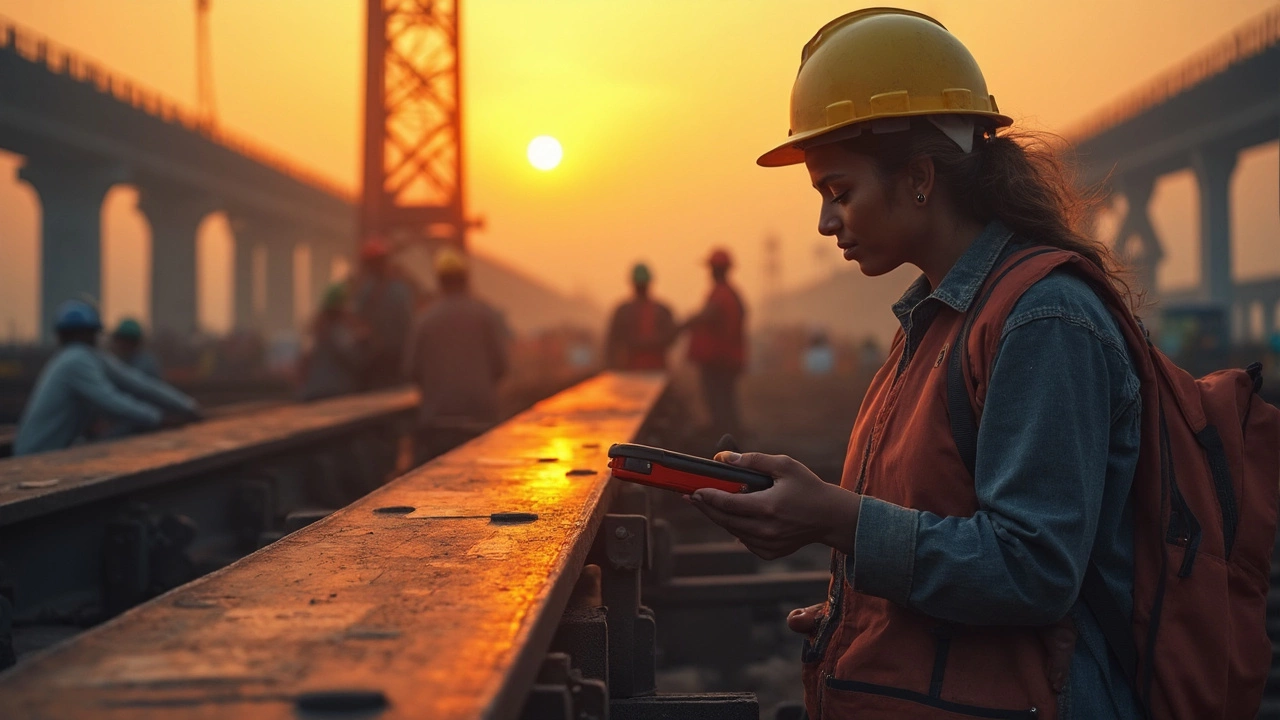
Steel sits at the heart of almost everything, from bridges to home appliances, so knowing if American steel is truly stronger than Chinese steel isn’t just a debate—it's about safety, trust, and cost. This article digs into the reality behind the reputation of both countries’ steel, what actually goes into the strength of steel, and how quality standards affect each batch. You'll find practical tips on how to check steel quality for yourself and get a peek behind the scenes at what matters most in the steel manufacturing process. No jargon, just straight talk you can use.